PARENTS
Why Rested Employees Are the Key to Workplace Productivity and WellBeing
Here’s why sleep might just be your organization’s best-kept secret for performance and wellbeing.

Written by
Happiest Baby Staff

We often celebrate hustle culture—late nights, jam-packed schedules, and coffee-fueled mornings. But what if the real key to workplace success wasn’t doing more… but sleeping more?
In today’s world, it’s easy to dismiss sleep as a personal responsibility. But a growing body of science tells us something different: sleep isn’t just a personal health issue—it’s a business issue. When employees are well-rested, they’re more productive, more creative, more focused, and more likely to stick around. And for working parents, sleep can mean the difference between burning out or thriving—both at home and on the job.
Here’s why sleep might just be your organization’s best-kept secret for performance and wellbeing.
Productivity Starts With Sleep
A well-rested brain is a high-performing brain. Studies show that employees who get enough sleep are more alert, focused, and efficient at work. They make fewer mistakes, think more creatively, and are better at handling complex or high-pressure tasks. In fact, the RAND Corporation estimates that sleep deprivation costs U.S. businesses over $136 billion a year in lost productivity.
Fatigue doesn’t just slow people down—it can lead to real errors. Sleep-deprived workers are more likely to make costly mistakes or have accidents, especially in roles requiring concentration and quick decisions.
Rest Helps Prevent Burnout and Sick Days
We all know the feeling: One sleepless night can tank your mood and make everything feel harder. Now imagine that night after night. Lack of sleep can weaken the immune system, raise stress levels, and increase the risk of burnout—factors that directly impact attendance and performance.
One study found that employees with poor sleep were significantly more likely to take sick leave compared to those who slept well. Meanwhile, those who felt they were sleeping enough—regardless of exact hours—had better attendance and overall well-being.
Supporting better sleep at work doesn’t just make people feel better—it literally helps them show up.
Smarter Choices, Better Results
We rely on employees to make good decisions every day, whether they’re leading teams, solving problems, or navigating sensitive client conversations. But decision-making is one of the first things to go when we’re sleep-deprived.
According to cognitive science research, just one night of sleep loss can make people more impulsive and less accurate in their judgments. That means tired employees may take shortcuts, miss red flags, or act rashly—none of which is good for business. By contrast, sleep fuels thoughtful, strategic, and creative decision-making, making it one of the most underrated tools in a leader’s toolbox.
Sleep Boosts Morale—and Retention
Let’s talk about emotional wellness. Employees who are rested are better able to regulate emotions, manage stress, and collaborate with others. They’re more patient, more empathetic, and more likely to feel engaged in their work.
And that translates to better retention. Sleep-deprived workers are more likely to feel overwhelmed or burned out—two major predictors of employee turnover. Companies that help their teams protect their rest (through things like flexible hours, no after-hours email culture, or sleep health education) build a reputation for valuing employee well-being. That’s a powerful differentiator when it comes to hiring—and keeping—top talent.
Special Consideration: Sleep and New Parents
For new parents, sleep loss is a given—but its impact at work is often underestimated. A 2025 study presented at the SLEEP conference found that new mothers' sleep plummeted to an average of just 4.4 hours a night in the first postpartum week, with only 2.2 hours of uninterrupted rest.
Even as total sleep time slowly improved in the following months, the quality of sleep remained fragmented. That’s significant, because restorative sleep depends not just on quantity but on continuity. And when sleep suffers, so does everything else—concentration, emotional regulation, safety, and long-term job satisfaction.
For working parents, especially those navigating return-to-work transitions, extra sleep isn’t a perk—it’s a lifeline. And when employers support sleep health, these parents are more likely to re-engage with work confidently and sustainably.
Creating a Sleep-Smart Culture
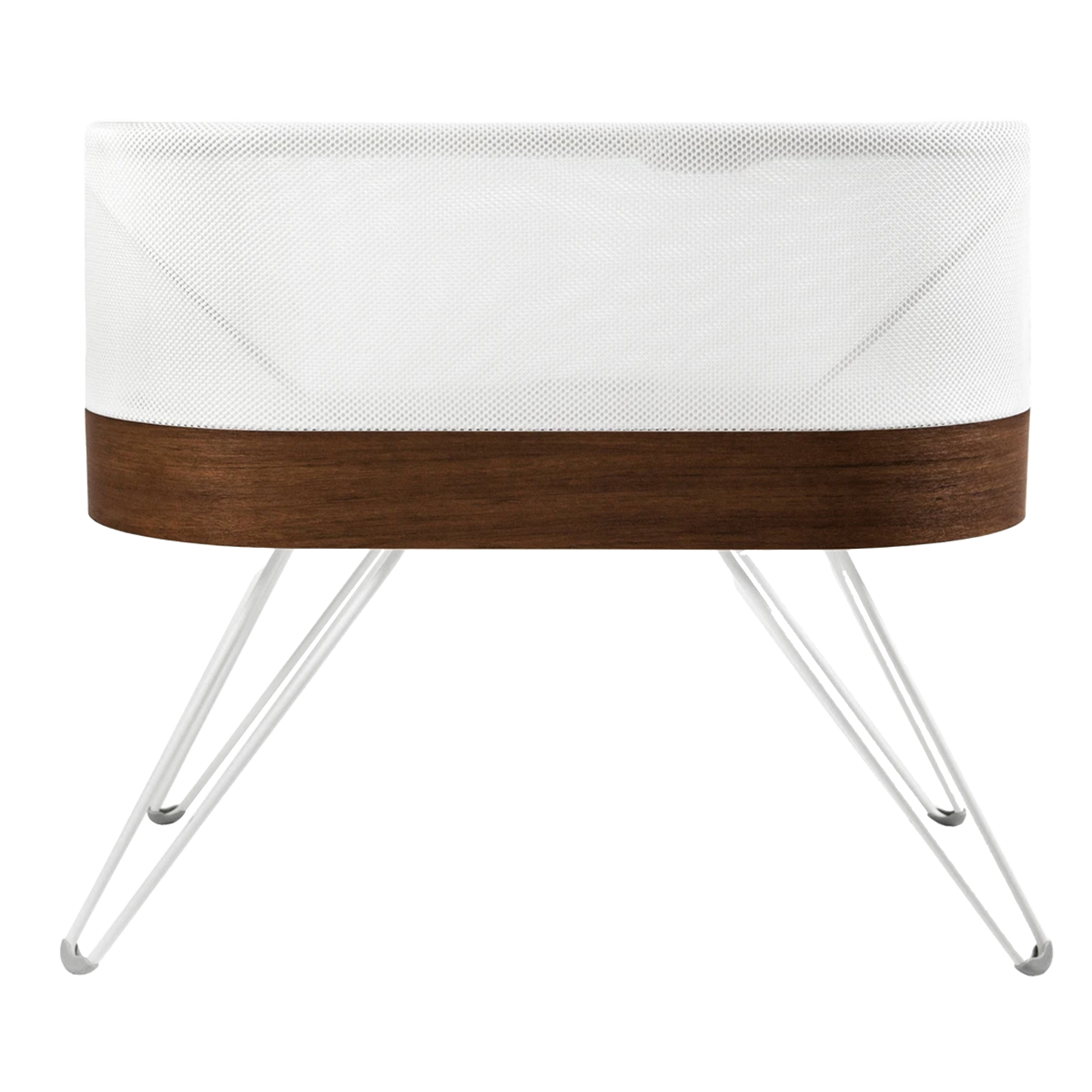
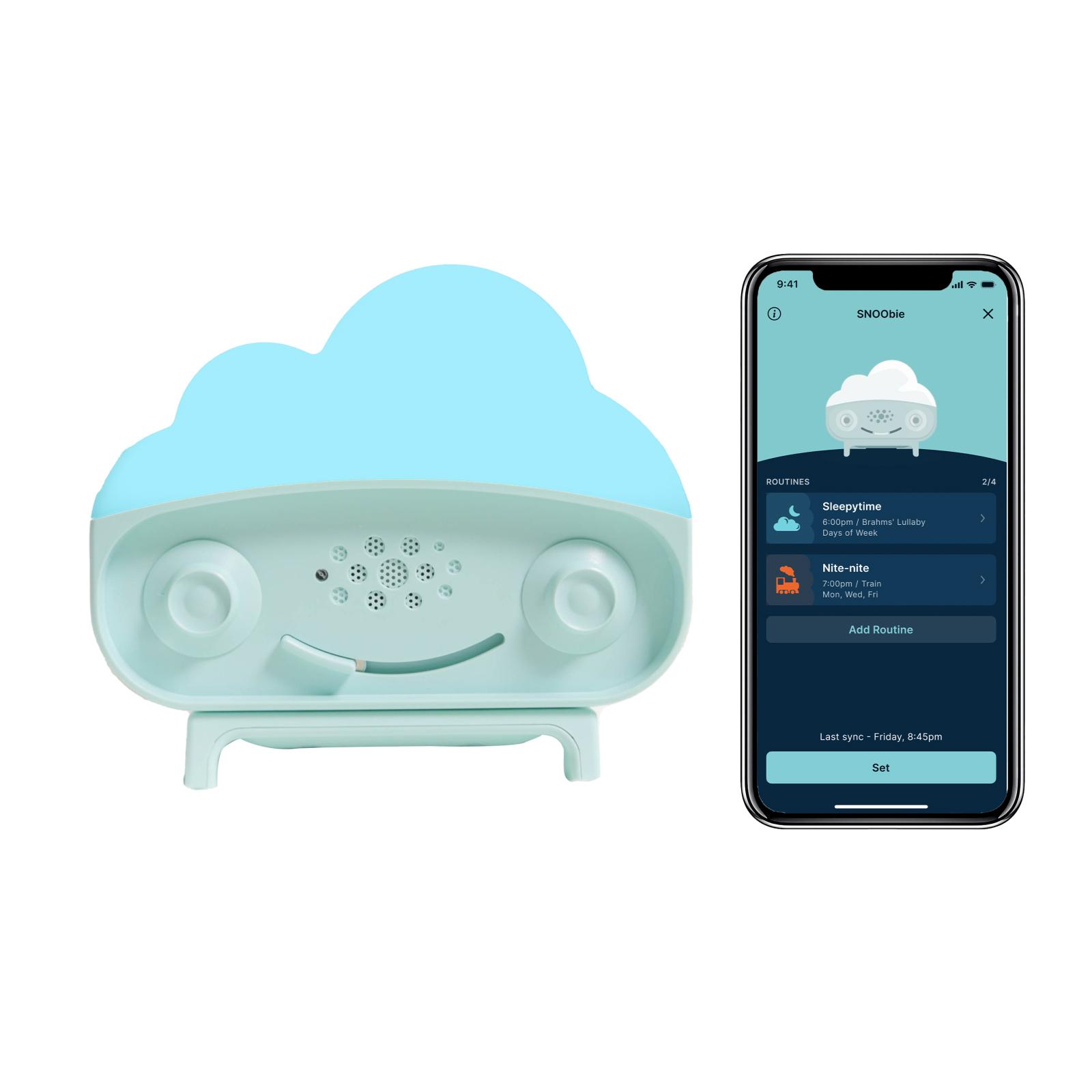
More companies are recognizing the link between rest and results. Some now offer “sleep stipends,” nap-friendly spaces, or tools that support better rest at home. Some forward-thinking organizations even offer paid bonuses to employees who get at least seven hours of sleep per night over a set number of days. And 130+ companies give their new-parent employees a free SNOO rental to help exhausted moms and dads add 1-2+ hours of sleep each night. (Learn more about the SNOO Employee Benefit Program!)
If you want a thriving, resilient workforce, you don’t need to add more hours to the day—you need to add hours to their rest! Because when employees sleep well, they work better, feel better, and stay longer. And that’s good news for everyone.
Disclaimer: The information on our site is NOT medical advice for any specific person or condition. It is only meant as general information. If you have any medical questions and concerns about your child or yourself, please contact your health provider.






SHARE THIS ARTICLE