PREGNANCY
Can You Have Barley Grass During Pregnancy?
Get the scoop on this so-called superfood supplement.

Written by
Happiest Baby Staff
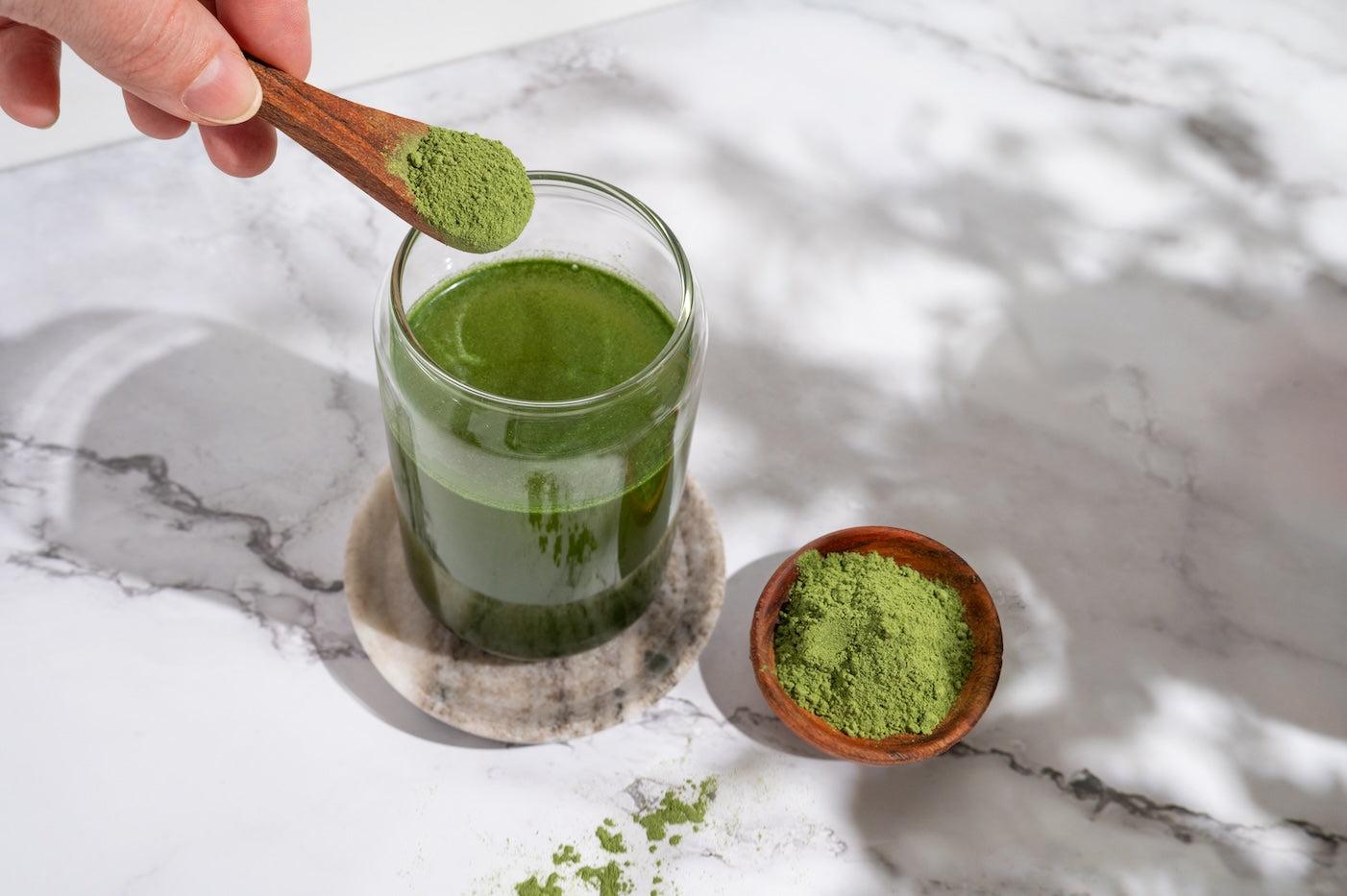
If you’re a smoothie or juice junkie, you might be thinking extra hard about all those add-ins touted for their superfood status. Take barley grass, for example—is it safe for pregnancy?
The short answer is: as far as we know. However, barley grass supplements haven’t been specifically studied in pregnancy. And like all dietary supplements, these products are not reviewed or approved by the U.S. Food and Drug Administration (FDA) for safety or effectiveness before they reach the market, so quality can vary widely between brands.
Based on what we have learned, small amounts of a reputable barley grass powder or juice used as part of an overall healthy diet are unlikely to pose a risk for most healthy pregnancies, but they are not essential, so they shouldn’t replace prenatal vitamins or balanced meals.
Here’s a rundown on the risks and potential benefits of barley grass during pregnancy.
Is barley grass safe to eat while pregnant?
There are no large human studies looking specifically at barley grass in pregnant people. Most expert guidance on supplements and herbs in pregnancy is to focus on meeting nutrient needs with food and prenatal vitamins and use botanicals sparingly and with professional guidance because safety data are limited.
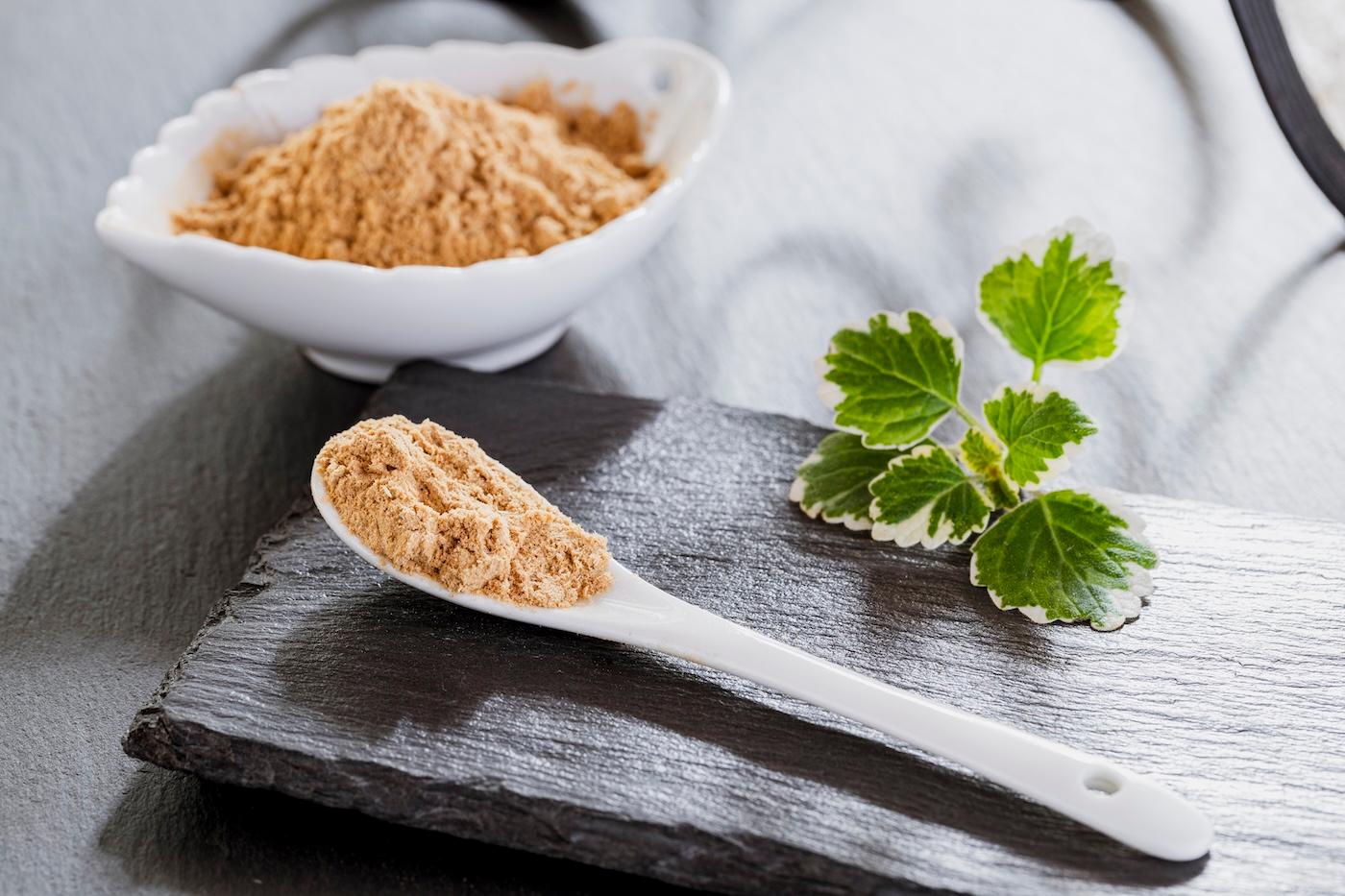
Barley grass is usually sold as a powder, capsule, or juice. Barley grass is made from the young green leaves of the barley plant (Hordeum vulgare), harvested before the grain forms. Gluten—the storage protein that triggers celiac disease—is concentrated in the grains of wheat, barley, and rye, not the leaves. For that reason, barley grass products likely contain much less gluten than barley grain.
Still, small amounts of grain can wind up in harvested grass, and gluten can be introduced during processing, so the actual gluten content can vary and is not well characterized in most products. Barley grass may be reasonable in small amounts in pregnancy for people without celiac disease or gluten sensitivity, but there is no direct pregnancy-specific safety data, and it’s safest to use it only after discussing with your doctor.
Benefits of Eating Barley Grass During Pregnancy
- Rich in vitamins: Antioxidant studies show young barley grass contains vitamin C, provitamin A carotenoids (beta-carotene), vitamin E, vitamin K, and some B vitamins.
- Mineral support: Barley supplements contain macro- and micro-minerals such as iron, magnesium, calcium, potassium, manganese, and zinc. One study found that some powders could contribute up to 20% of daily requirements for certain minerals!
- Antioxidants: Studies show barley grass extracts have measurable antioxidant activity, which may help protect cells from oxidative stress.
- Digestive support: Young barley leaf powder contains dietary fiber, so it may support digestion and help ease mild constipation as part of an overall fiber-rich diet. (Learn more about constipation during pregnancy.)
Risks or Considerations
- Contamination risk (from heavy metals, pesticides, microbes): A peer-reviewed study of dietary supplements containing young barley (powders, tablets, juices) found they were nutrient-dense but sometimes contaminated with heavy metals (including arsenic and mercury), polycyclic aromatic hydrocarbons, and the pesticide imidacloprid—with some samples exceeding European Union maximum limits. Other studies of herbal products also show that plants can accumulate heavy metals and pesticide residues from soil, water, and air.
- Gluten traces: People with celiac disease or gluten-related disorders may want to avoid it unless it’s clearly labeled as gluten-free. While barley grass itself likely contains much less gluten than the grain, gluten content and cross-contamination have not been studied in most barley grass products.
- Digestive upset: Consuming fiber-rich foods, drinks, and supplements can cause bloating, gas, or loose stools, especially if intake is ramped up quickly.
- Highly concentrated products: Like other supplements, highly concentrated barley grass shots or extracts aren’t well studied in pregnancy, so you shouldn’t assume they’re safe just because they’re natural.
How to Safely Use Barley Grass While Pregnant
- Choose high-quality, third-party-tested products for purity.
- Start with small amounts (think: ½–1 teaspoon) to make sure it doesn’t cause stomach upset.
- Mix into smoothies, yogurt, or juice rather than consuming concentrated shots.
- Check for gluten-free certification if you have celiac disease or gluten sensitivity.
- Store powder in a cool, dry place and keep containers sealed tightly to limit moisture and microbial growth.
When to Avoid Barley Grass
Steer clear of barley grass during pregnancy altogether, if…
- You have celiac disease or severe gluten intolerance and there’s no gluten-free certification.
- You notice signs of spoilage (musty smell, clumping, moisture).
- You’re not sure where it came from or it’s not clearly labeled.
- You experience digestive discomfort or have an allergic reaction after use.
The Bottom Line on Barley Grass
For most pregnant people without celiac disease, occasional small amounts of barley grass from a reputable, third-party-tested brand are probably low risk, but they’re not necessary for a healthy pregnancy and should never replace prenatal vitamins or a balanced diet. If you’re interested in using barley grass regularly or at higher doses, talk with your OB/GYN or midwife first.
More on Healthy Eating During Pregnancy:
- Smoothie Add-Ins for a Healthy Pregnancy
- Can I Have Caffeine During Pregnancy?
- Is Matcha Safe During Pregnancy?
- Straight Talk on Foods to Avoid During Pregnancy
***
REFERENCES
- Office of Dietary Supplements, NIH: Pregnancy — Fact Sheet for Health Professionals
- Dietary Supplement Use During Pregnancy: Insights from the 2015–2018 National Health and Nutrition Examination Survey (NHANES), Nutrients, 2020
- March of Dimes: What to Know About Supplements, Herbs and Medicines During Pregnancy
- U.S. Food and Drug Administration: FDA’s Regulation of Dietary Supplements — Remarks by Dr. Cara Welch
- A Systematic Review of Herbal and Dietary Supplement Safety in Pregnancy, BMC Complementary and Alternative Medicine, 2020
- Safety of Natural Products Used as Dietary Supplements During Pregnancy: A Review, Journal of Food Science and Technology, 2018
- Use of Herbal Medicines by Pregnant Women — Analysis from the Norwegian Mother and Child Cohort Study (MoBa), BMC Complementary and Alternative Medicine, 2019
- Prenatal Supplement Use and Risk of Gestational Diabetes, Journal of Clinical Medicine, 2013
- A Systematic Review of Supplement Intake During Pregnancy and Outcomes, Public Health Nutrition, 2024
- Antioxidant Supplement Use During Pregnancy — Effects on Maternal and Infant Health, Antioxidants, 2021
- Food Supplement Use and Contaminants — Risks to Consumers, Journal of Toxicology and Environmental Health, 2018
- National Institute of Diabetes and Digestive and Kidney Diseases: Eating, Diet and Nutrition (Constipation)
- American College of Obstetricians and Gynecologists: What Can Help With Constipation During Pregnancy
- MedlinePlus: Constipation — Patient Information
- Pharmaceutical Quality/Research Institute: Elemental Contaminants in Dietary Supplements
- Heavy Metal Contaminants in Dietary Supplements: Assessment of Risk, International Journal of Environmental Research and Public Health, 2015
- Micronutrient Supplementation and Pregnancy Outcomes: A Recent Study, The American Journal of Clinical Nutrition, 2025
- National Center for Complementary and Integrative Health: Using Dietary Supplements Wisely — Consumer Advice
- Office of Dietary Supplements, NIH: Botanical Dietary Supplements — Consumer Fact Sheet
Disclaimer: The information on our site is NOT medical advice for any specific person or condition. It is only meant as general information. If you have any medical questions and concerns about your child or yourself, please contact your health provider.





SHARE THIS ARTICLE