PREGNANCY
A Guide to Pregnancy Weight Gain
Find out how much weight gain to expect during pregnancy.
Written by
Happiest Baby Staff
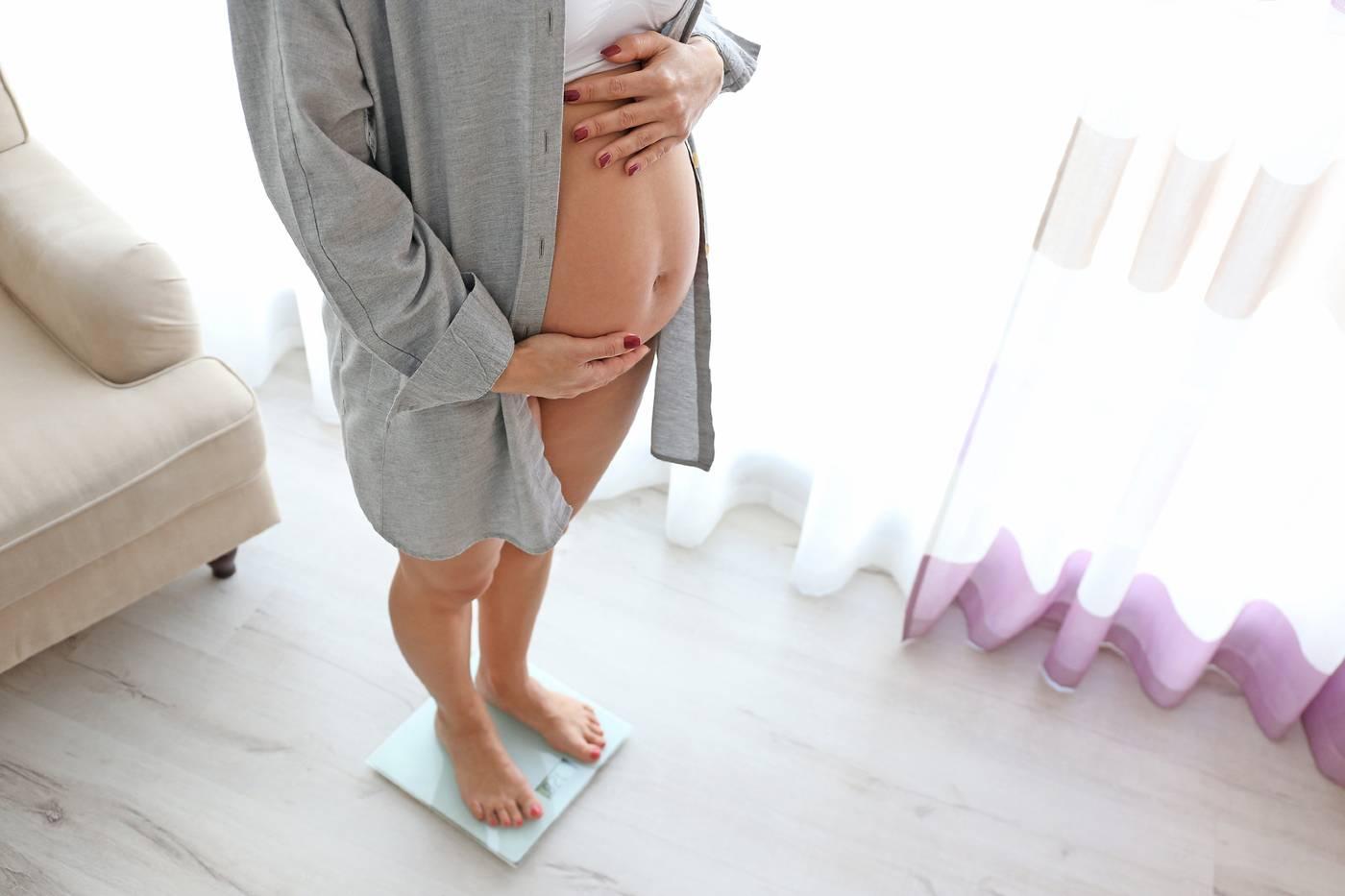
Pregnancy weight gain is normal, expected, and 100% necessary! But it often comes with worry and confusion. You may be asking yourself: Have I gained enough weight? Am I gaining too much weight during pregnancy? And the well-meaning folks around you (maybe even your physician) may be making you feel especially worried that the rate of your pregnancy weight gain isn’t “healthy.” So, what exactly is the ideal amount of weight to gain in pregnancy? And is there a “right” way to put on pregnancy pounds?
Why do you gain weight during pregnancy?
You know the old adage “eating for two?” Well, when you’re pregnant you are! That, of course, does not mean to double your food intake. But it does mean it’s important that you eat enough and get enough nutrients to support your developing baby. To help get your head around why gaining weight during pregnancy is important, here’s a breakdown of where all those pounds actually go:
-
Baby: +7 to 8 pounds - Breast tissue: +1 to 3 pounds:
- Expanding uterus: +2 pounds:
- Placenta: +1.5 pounds (A brand-new organ!)
- Amniotic fluid: +2 pounds
- Increased blood volume: +3 to 4 pounds
- Increased fluid volume: +2 to 3 pounds
- Fat stores: +6 to 8 pounds (for energy during labor, delivery, and breastfeeding)
Average Weight Gain During Pregnancy
Healthcare providers look at several factors to determine about how much pregnancy weight you should gain, including your pre-pregnancy weight, your pre-pregnancy body mass index (BMI), your health, your baby’s health, and the number of babies you’re carrying. That said, there are some general guidelines for pregnancy weight gain.
Pregnancy Weight Gain Chart
Typically, this is how much pregnancy weight you should gain if you’re carrying one baby, based on how your pre-pregnancy weight is classified:
-
Standard: 25 to 35 pounds - Underweight: 28 to 40 pounds
- Overweight: 15 to 25 pounds
- Obese: 11 to 20 pounds
And if you’re carrying twins, here’s what pregnancy weight gain may look like:
-
Standard: 37 to 54 pounds - Underweight: 50 to 62 pounds
- Overweight: 31 to 50 pounds
- Obese: 25 to 42 pounds
Right now, there are no guidelines regarding the expected amount of pregnancy weight for those carrying triplets…or more!
Pregnancy Weight Gain by Trimester
The ideal way to put on the pounds you need in pregnancy is slowly. Gaining too much weight in early pregnancy may influence your risk of developing preeclampsia. For those starting at a “normal” healthy weight, that slow and steady progression will look something like this:
-
First trimester weight gain: 0 to 5 pounds, no extra calories needed - Second trimester weight gain: 1 pound per week, +340 calories a day
- Third trimester weight gain: 1 pound per week, +450 calories a day
While it’s hard not to stress about pregnancy weight gain, remember: More important than how much weight you gain during pregnancy is what you’re eating. Aim to get a variety of vitamins, minerals, carbs, unsaturated fats, and protein on your plate (here are six nutrients you need while pregnant).
What if I gain "too much" weight during pregnancy?
First off, know that experiencing increased weight gain during pregnancy doesn’t automatically mean you or your baby are at an elevated risk for complications. In fact, experts point out that it’s important not to get too focused on numbers. Every body and every pregnancy is different, so don’t hesitate to reach out to your provider with questions about your pregnancy weight gain.
That said, almost half (48%) of pregnant folks gain more weight than recommended, according to the Centers for Disease Control and Prevention (CDC), and that does come with some risks. If you gain more than the recommended weight during pregnancy, you’re at an elevated risk for…
-
Gestational diabetes: Excessive weight gain during pregnancy, especially during the first trimester, can substantially increase your risk of gestational diabetes and complications related to the condition, like preeclampsia. - Fetal macrosomia: This means having a big baby who weighs more than 8 pounds, 13 ounces at birth, which can cause complications, such as heavy bleeding after birth.
- Cesarean section: Your risk of c-section is a domino side-effect of gaining excess weight in pregnancy. That’s because large babies increase your chances of a cesarean birth.
Should I try to lose weight while pregnant?
No. Even if you were classified as “overweight” pre-pregnancy—or gained pregnancy weight quickly—you should not go on a diet or try to lose weight during pregnancy. Of course, parents-to-be who are dealing with severe nausea and/or food aversions may unintentionally lose weight during early pregnancy. In those cases, your healthcare provider will keep a watchful eye on your situation. But setting out to lose weight during pregnancy is not advised. It’s a better idea to focus on eating healthy, nutrient-dense food and remaining active. It’s recommended that pregnant people engage in at least 150 minutes of moderate intensity aerobic physical activity each week, which shakes out to a brisk 30-minute walk a day, five days a week.
What if I don’t gain enough weight during pregnancy?
The CDC notes that 21% of expecting parents gain less weight than what’s recommended. Depending on where you started—and how many pounds “short” you are—there’s a possibility that not gaining enough weight during pregnancy can increase your risk of...
-
Preterm delivery: Research shows that pregnancy weight gain below the recommended guidelines is associated with a 5% increase in preterm delivery, which is having your baby before 37 weeks. - Low birth weight: Experts note that gaining less than the recommended amount of pregnancy weight ups your chances of delivering a baby who’s too small, also called small-for-gestational age infants. (This is when your baby weighs less than 5 pounds, 8 ounces.)
And for those with a BMI that falls into the “overweight” or “obese” category, The American College of Obstetricians and Gynecologists (ACOG) notes that gaining less weight than recommended does not appear to have a negative effect on a baby-to-be’s growth or health.
Do I need to be weighed during pregnancy?
It’s common practice in the United States to have your weight and BMI checked at your very first prenatal appointment and then throughout the course of your pregnancy, but it can be an especially triggering practice, especially for those currently struggling with—or recovering from—an eating disorder. That’s likely one of the reasons that the National Institute for Health and Care Excellence (NICE), which provides national health guidance in the UK, does not recommend routine weighing during prenatal visits.
In the end, if your healthcare provider does routine weight checks during pregnancy, and you’re not comfortable with this, ask your doc or midwife to explain if there’s a specific reason they’d like to weigh you throughout pregnancy. At the same time, you can ask for a “blind” weight check, where the number on the scale is not visible to you and not spoken to you, but your provider is able to see and track your weight in your chart. Remember, you are also within your rights to simply decline regular pregnancy weigh-ins. Finally, if you have an eating disorder, it’s important to disclose that info to your healthcare provider so they can offer—and recommend—additional support. And consider reaching out to the National Eating Disorder Association’s helpline where you can call, chat, or text for support, resources, and treatment options.
How do I meet pregnancy weight gain recommendations?
Try to eat as healthy as you can! According to Dr. Harvey Karp, that means, skipping processed foods, limiting your snacking to nutrient-loaded eats, and trying to keep added sugar to a minimum. At the same time, focus on filling your plate with healthy, nutritious foods, including lean and veggie-based protein, whole grains, healthy fats, low-fat dairy, and plenty of produce…and your body will do what it needs to do!
More on Pregnancy Nutrition:
- Low-Carb Pregnancy Snacks for Gestational Diabetes
- The Pregnancy Deficiency You Need to Know About
- Ease Morning Sickness—Naturally
- Is Eating Fish During Pregnancy Safe?
- The Truth About Caffeine During Pregnancy
***
REFERENCES
- Mayo Clinic: Pregnancy weight gain: What's healthy?
- The American College of Obstetricians and Gynecologists (ACOG): Weight Gain During Pregnancy
- March of Dimes: Weight gain during pregnancy
- Pregnancy Weight Gain Before Diagnosis and Risk of Preeclampsia. June 2018
- Gestational weight change and childhood body composition trajectories from pregnancy to early adolescence. Obesity: A Research Journal. February 2022
- UC Davis Health: Pregnancy diet: Common myths and what you should eat during your pregnancy
- Nemours KidsHealth: Eating During Pregnancy
- QuickStats: Gestational Weight Gain Among Women with Full-Term, Singleton Births, Compared with Recommendations — 48 States and the District of Columbia, 2015. Morbidity and Mortality Weekly Report. October 2016
- Gestational Weight Gain and Risk of Gestational Diabetes Mellitus. Obstetrics & Gynecology. March 2010
- MedlinePlus: Managing your weight gain during pregnancy
- Centers for Disease Control and Prevention (CDC): Healthy Pregnant or Postpartum Women
- Association of Gestational Weight Gain With Maternal and Infant Outcomes: A Systematic Review and Meta-analysis. June 2017
- Early maternal weight gain as a risk factor for SGA in pregnancies with hyperemesis gravidarum: a 15-year hospital cohort study. BMC Pregnancy and Childbirth. April 2020
- National Institute for Health and Care Excellence: Weight management before, during and after pregnancy
Disclaimer: The information on our site is NOT medical advice for any specific person or condition. It is only meant as general information. If you have any medical questions and concerns about your child or yourself, please contact your health provider.



SHARE THIS ARTICLE