TODDLER
Toddler Regressions During Pregnancy: What’s Going On—and How to Help
Is your big kid suddenly acting babyish? Here’s what to know.

Written by
Happiest Baby Staff

You’re growing a whole new human…which is huge. But while you’re juggling appointments, nausea, and nursery plans, your “big kid” may suddenly seem a lot less big. Maybe your potty-trained toddler is having accidents, wants to be carried everywhere, insists on a bottle again, or is melting down over every “no.”
If your toddler seems to be going backwards during your pregnancy, you’re not alone—and you’re not doing anything wrong. Your toddler’s brain is still learning language, patience, and self-control…so big changes can easily knock them off balance. Here’s why toddlers regress when a sibling is on the way—plus, gentle, practical ways to help.
What are toddler regressions?
A toddler regression is when a child who’s been doing something more grown-up suddenly goes back to younger behaviors—especially in times of stress. Common regressions around pregnancy and a new sibling include:
- More clinginess or separation anxiety
- Extra tantrums or defiance
- Wanting to be carried, rocked, or fed like a baby
- Baby talk
- Thumb sucking, pacifier requests, or wanting a bottle again
- Toilet-training setbacks (wetting or soiling after staying dry)
- New sleep struggles or night wakings
When a little one’s on the way, older children often start acting like a baby again—asking to be carried more, sucking their thumb, or having toilet accidents. These regressive behaviors can signal that your tot is coping with stress or seeking extra connection. Your toddler is telling you, “This feels like a lot. I need more help and reassurance right now.”
Why do toddlers regress when you’re pregnant?
Their brain is under construction.
The toddler years are a whirlwind of development in language, relationships, and impulse control. Toddlers live very much in the now and get easily overwhelmed by big feelings. When stress piles up—like a new sibling on the way, changes in routines, tired parents—many kids temporarily slide back into younger behaviors. Stress, hunger, fatigue, and too many demands can quickly bring out primitive, cave-kid-like behaviors.
They’re worried about losing you.
A new baby can make an older child feel “kicked off the throne,” as if something precious has been taken away. While your joy might be unbridled, older siblings often have mixed feelings: They may love the idea of the baby and also feel angry, jealous, or scared about sharing you. They might worry you won’t love or care for them the same way.
There are too many big changes at once.
Along with pregnancy, families often try to tackle potty training, a big-kid bed, daycare, or a move. Stacking big transitions near the arrival of a new baby can make toddlers feel stressed and even betrayed. If you can, avoid major changes from about three months before your due date until roughly six months after the birth (or at least until they’ve had some time to adjust to your family’s new reality!).
How Parents Can Help Toddler Regressions During Pregnancy
The good news: With empathy, connection, and a few smart tweaks, most regressions improve on their own. Here are a few tools to ease this rocky patch.
Prepare your tot before Baby arrives.
You don’t have to discuss the baby nonstop for nine months. For many toddlers, starting more detailed baby talk two to three months before your due date is plenty. Have them practice with a doll that they can “feed,” diaper and rock. This will let them rehearse gentle behavior and feel like a superstar caregiver too! Let them know what will happen when you go into labor—prepare them for where they’ll stay so the logistics don’t feel scary or mysterious. Here’s more on how to prepare your toddler for a new baby!
Protect routines (and hit pause on extra changes).
Try to keep mealtimes, bedtimes, and caregivers as steady as possible. Toddlers thrive on predictable routines—they’re one of the “magic ingredients” for happier, more cooperative kiddos. If you must move your toddler to a new room or bed before the baby comes, do it several months ahead, so it doesn’t feel like the baby “stole” their spot.
“Feed the Meter” with Special Time.
You are the rock star in your toddler’s world. Lots of short bursts of focused attention—what Dr. Harvey Karp calls “feeding the meter”—help boost cooperation and reduce acting out. During pregnancy (and after baby), try to:
- Build in mini “special times” twice a day, even 10 minutes where your phone is away and your tot leads the play. After Baby arrives, this should be sibling-free quality time.
- Use “time-in,” especially when they’re clingy or jealous: extra cuddles, stories, or silly games that say, “You still matter so much to me.”
- Notice and praise “big kid” behaviors (“You waited so patiently while I rested—high five!”), and even “gossip” later to another adult about their kindness or helpfulness.
- Don’t forget to gossip about how great they are. Let your toddler overhear you “whispering” to the baby in your belly about how amazing their big sibling is: “Oh, little baby, your big brother is so good at building towers!”
Connect with respect during meltdowns.
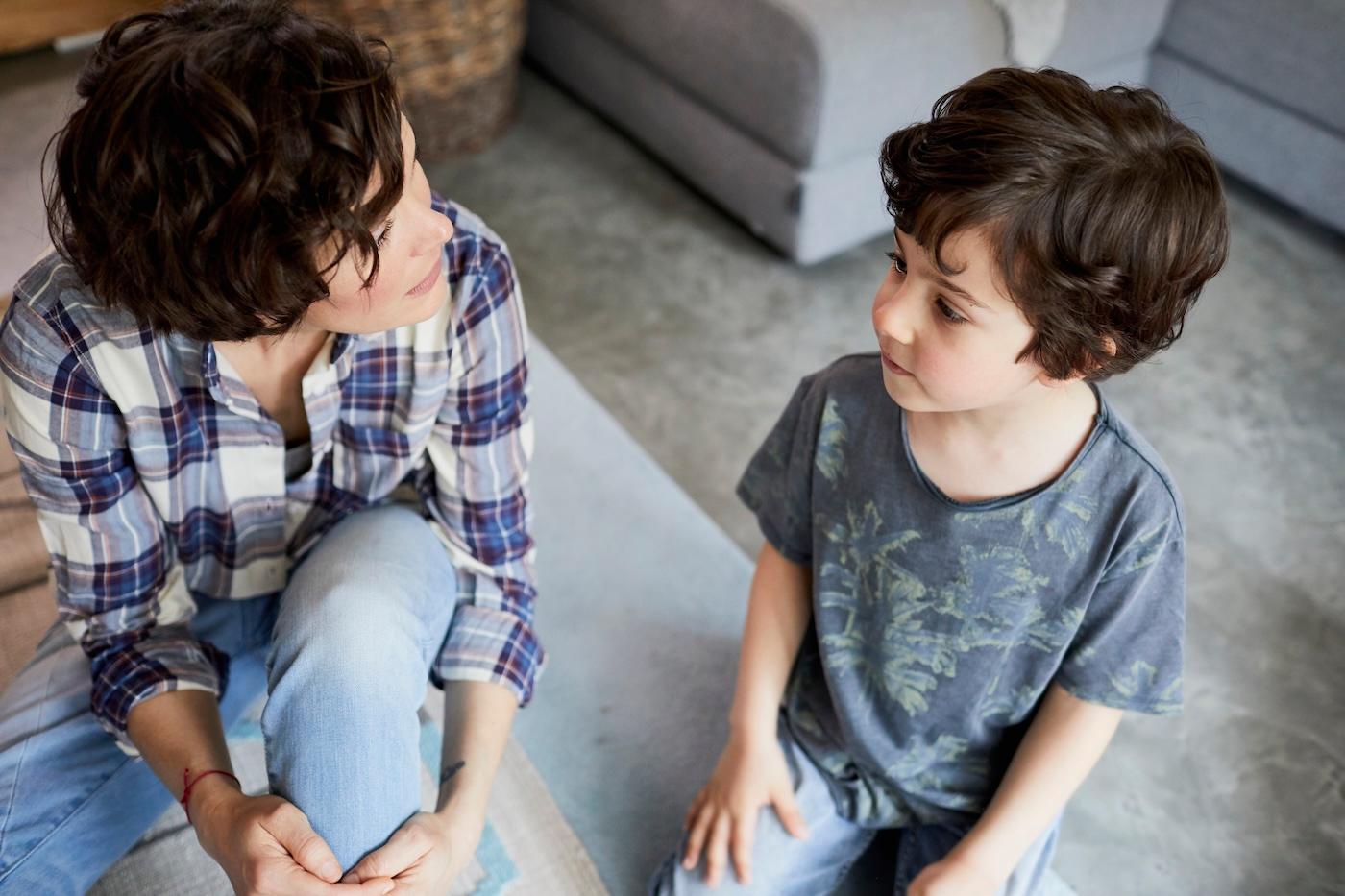
When your toddler is screaming, “Go away, baby!” your first job isn’t to correct—it’s to connect. Use Dr. Karp’s Fast-Food Rule as a rule of thumb: “Serve” your child’s feelings first by mirroring them back before you explain anything. Paired with Toddler-ese (short phrases, repetition, simple words, and a touch of their emotion), this makes toddlers feel deeply understood.
You might say: “You mad! Mad, mad! You want Mommy NOW! No want Mommy talking about baby!” Once your tyke softens, then you can gently add limits or solutions: “You’re so mad. Mommy loves you and Baby. I’ll finish this call, then it’s your special snack time.”
Make space for a little regression.
Instead of fighting every “baby-ish” behavior, make room for some of them. Regression (like asking for a bottle or using baby talk) is often a sign of stress and uncertainty about their place in the family. When parents respond calmly—rather than shaming or pushing “act like a big kid”—children usually return to their age-appropriate skills more quickly.
Offer safe chances to “be the baby” on purpose: Invite your toddler to curl up in your lap and say, “Want to be my baby for a bit? Come cuddle, my big strong baby.” That playful regression lets them soak up reassurance instead of acting it out in more disruptive ways.
Grow their big-kid pride.
While you’re honoring their baby side, keep highlighting the perks of being big:
- Let your toddler bring diapers, choose baby’s outfit, or “teach” the baby how to play.
- Point out big-kid-only fun: special time, playground adventures, silly games “too tricky for babies.”
- Praise gentle touches and helpfulness in the moment and later through positive “gossip.”
When to Talk With Your Pediatrician
Most regressions around pregnancy and a new sibling are normal and fade over weeks to a few months. Still, it’s always okay to check in with your child’s healthcare provider if you’re worried. Call your pediatrician if:
- Your older child tries to hurt the baby or others.
- Regressive behaviors don’t start improving after about a month, or they seriously interfere with daily life.
- You see a broad loss of skills (like speech or social interaction), major changes in sleep or eating, or your gut simply says, “Something feels off.”
Pediatricians are trained to sort out what’s typical for this intense, change-filled season and when extra support—like a child psychologist or early-childhood specialist—might help.
The Bottom Line
Your family is in the middle of a huge transformation! You’ve probably got your share of mixed emotions, too. Toddler regressions are your toddler’s way of saying, “This is a big change. Please hold me a little tighter while I figure it out.”
When you lean on Dr. Karp’s toddler tools and your own care and warmth, you give your child exactly what they need: connection, safety, and time. And as your family grows, so will your toddler’s confidence that there’s more than enough love to go around…including plenty just for them.
More on Welcoming a Sibling:
- Best Books on Becoming a Big Sibling
- How to Stop Sibling Fighting
- Memorable Sibling Pregnancy Announcement Ideas
Disclaimer: The information on our site is NOT medical advice for any specific person or condition. It is only meant as general information. If you have any medical questions and concerns about your child or yourself, please contact your health provider.



SHARE THIS ARTICLE
MOST LOVED
Sleepytime Sidekicks