BABY
Lanugo: What It Is and Why Babies Have It
Did you know babies are sometimes born covered in hair? Here’s what you need to know about lanugo.

Written by
Dr. Harvey Karp
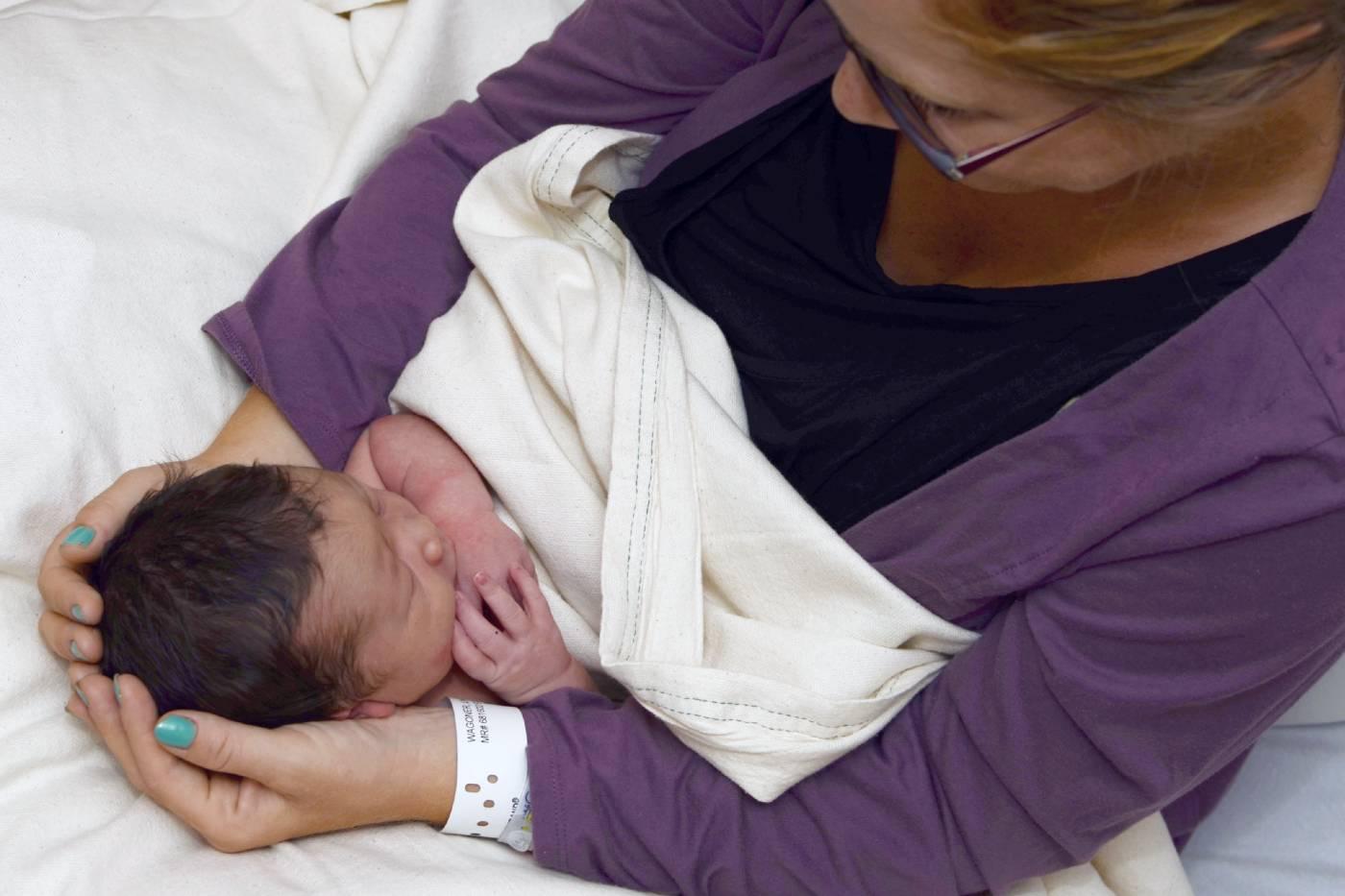
The first time you see a newborn baby IRL, you might be shocked! Unlike the pristine pink newborn babies you see on TV, real newborns are wet, wrinkly, and sometimes bright red…with smears of white cheese-like stuff (aka vernix) in the armpits, between the labia, and all over. And occasionally, newborns show up covered in patches of hair, called lanugo. (Probably not the glowing bundle you’ve imagined…but beautiful, nonetheless!) The hair that covers newborns may seem odd, but rest assured it’s completely normal and nothing to worry about. Here’s all you ever wanted to know about lanugo.
What is lanugo?
If you’ve been reading up on your pregnancy week by week, then you might have learned that between week 14 and week 16 your baby begins to develop hair called lanugo. But before you start daydreaming about your baby having your curls or your partner’s chestnut strands, know that lanugo is not hair that grows on top of your baby’s head! Instead, lanugo is soft, fine hair that covers your baby in utero…that will likely be gone before your baby is even born.
What is the purpose of lanugo for newborn babies?
Lanugo and vernix (the waxy, cheese-like substance that coats babies’ skin in the womb) work together to keep your baby cozy and warm in the womb—and their skin protected from the amniotic fluids. All of the fine hair covering your baby’s body before birth helps to bind the very important—and very sticky—vernix to their skin. The pair makes sure your newborn doesn’t come out looking like they’ve been sitting in a tub for 9 months straight!
Lanugo also helps your baby grow! Lanugo sends teeny vibrations to your baby’s sensory receptors each time they move. And those receptors work to stimulate your baby’s growth. Finally, research notes that the lanugo-vernix combo may play a role in hormone production.
Are all babies born with lanugo?
No. Only about 30% of full-term babies—born between 37 weeks and 40 weeks—burst onto the scene with some lanugo remaining. But if your little one was born prematurely, they have a greater chance of being born with lanugo. Typically, babies shed their lanugo during the final weeks of pregnancy.
What does lanugo look like?
If your baby is born with traces of lanugo still present, it will simply look like soft patches of fine hair, ranging from light to dark. Lanugo can grow anywhere on the body with hair follicles, but the usual locations for these tufts are on the tops of your baby’s ears, across their forehead, on Baby’s shoulders, and on their back especially down by the sacrum, just north of the gluteal fold…otherwise known as the butt crack!
How long does it take for lanugo to fall off?
Lanugo usually falls off during the last eight weeks of pregnancy. The little hairs come off, float in the amniotic fluid, and wind up getting swallowed by your baby-to-be! Lanugo, essentially, becomes part of your baby’s Baby’s first meal…or at least first snack! After birth, your newborn will pass the lanugo in their first poos, called meconium.
But if your baby was born with lingering lanugo, you can expect it to shed on its own shortly before birth, generally disappearing within the first two months. At times, fine, peach-fuzz on the top of your baby’s ears, above their tailbone, or at the base of their neck will stick around a little longer. Eventually all lanugo will be replaced by the fine body hair that all humans have called vellus hair.
More About Your Newborn:
- Newborn Screenings Need-to-Know
- How White Noise Benefits Newborns
- Newborn Sleep Tips and Habits
- When Should a Newborns Get Their First Bath?
Disclaimer: The information on our site is NOT medical advice for any specific person or condition. It is only meant as general information. If you have any medical questions and concerns about your child or yourself, please contact your health provider.






SHARE THIS ARTICLE