PARENTS
The Buzz About Caffeine and Breastfeeding
Do you have to “pump and dump” after your morning cuppa? Here, everything you need to know.

Written by
Holly Pevzner
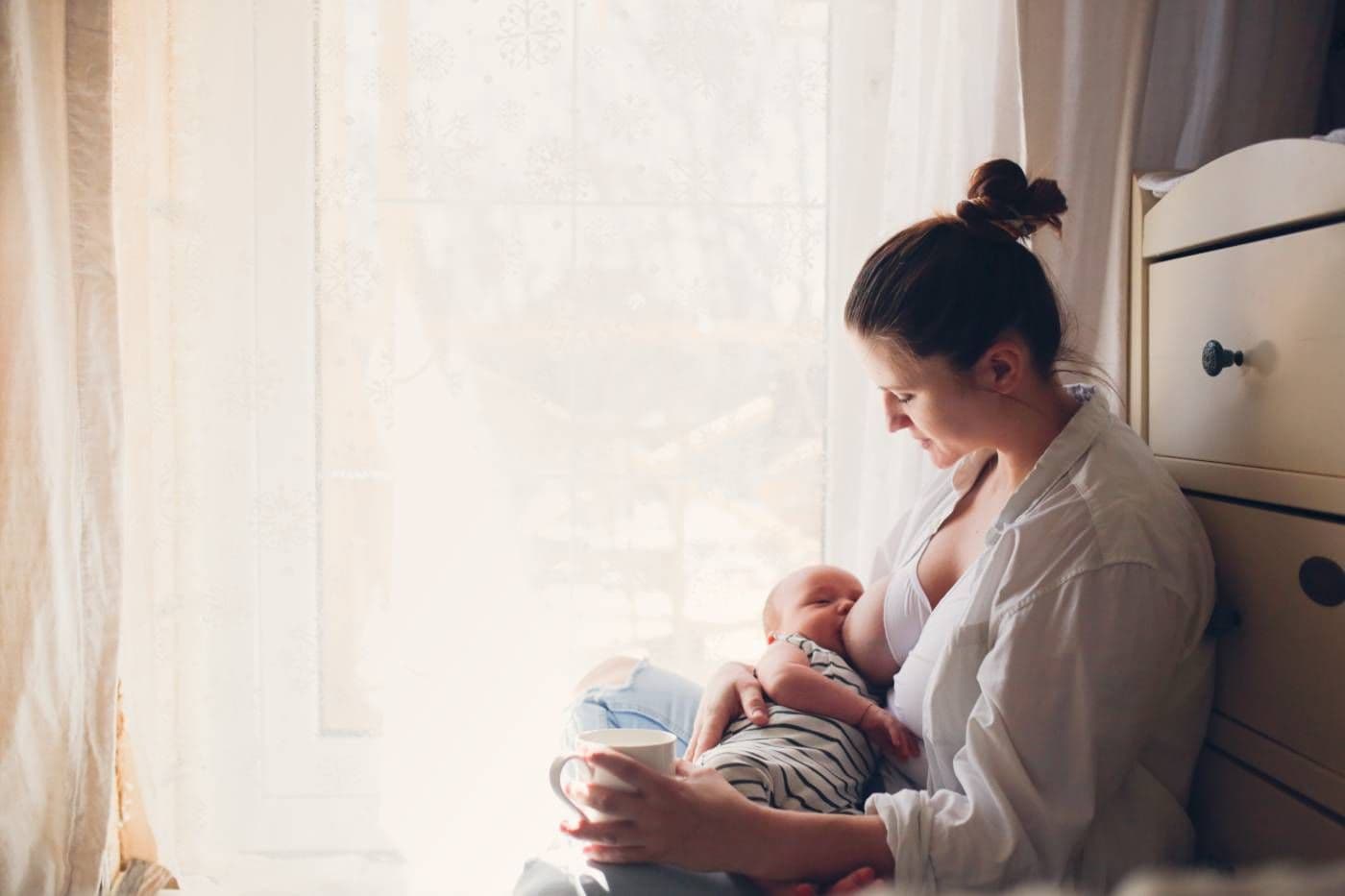
Your baby has arrived! Enjoy the sushi, the deli sandwiches, and glorious piles of unpasteurized cheese! None of these eats are considered harmful to a nursing infant. (Score!) But it’s often less clear how much caffeine—if any—can be safely consumed while breastfeeding. In fact, nearly 59% of breastfeeding and pregnant moms were unable to correctly identify what a safe amount of caffeine actually is, according to a 2023 report. That’s likely why breastfeeding mothers are more likely to self-restrict caffeine over all other foods.
If you’ve been longingly eyeing your Nespresso and wondering Can I drink coffee when breastfeeding?, keep reading for all the info you need about safely drinking coffee, tea, and other caffeinated beverages while breastfeeding.
Is it safe to have caffeine while breastfeeding?
Although caffeine does transfer to breastmilk, the amount that gets to your baby through nursing is generally less than 1% of the amount you’ve consumed. So, gulping down a modest amount of caffeine is likely A-okay for breastfeeding parents—in terms of its effect on your little one and on your breastmilk supply. That said, if your baby is extra sensitive to caffeine—and wide-eyed and jittery as a result—that can lead to poor feedings, which can then possibly lead to lowered milk supply. (Learn more about low milk supply.)
How much caffeine is okay while breastfeeding?
Good news! Experts agree that consuming low to moderate amounts of caffeine most likely won’t impact your baby one bit. While the American College of Obstetricians and Gynecologists (ACOG) errs on the side of caution, advising nursing parent to limit their caffeine to 200 milligrams a day (or roughly two 8-ounce coffees), the Centers for Disease Control and Prevention (CDC) is comfortable bumping that recco to up to 300 milligrams, or roughly three cups of coffee a day. After all, even if you down three cups of coffee a day, caffeine will still be undetectable in your infant’s urine. However, since newborns and preterm babies are more sensitive to caffeine than older babies, it’s a good idea to drink less in the first few days after your baby is born.
And remember: Caffeinated coffee isn’t your only source of caffeine! Decaffeinated coffee still contains about 2 milligrams of caffeine. Other caffeine-filled items include, cola, tea, energy drinks, and even some pain relievers. And while it’s true that chocolate does contain caffeine, a typical serving doesn’t significantly increase the level of caffeine in breastfed infants. (Bring on the Cadburys!)
How long should you wait to nurse after drinking coffee?
There are no hard and fast rules when it comes to knowing when it’s safe to breastfeed after drinking coffee. But we do know that you don’t need to “pump and dump” after drinking coffee! Research suggests that caffeine levels in your blood peaks around one hour after consumption—and it takes between one and two hours to do the same in breastmilk. Even when your cup of Joe does reach your baby, it contains only about 1.5% of the caffeine it originally did. Of course, that less-than-2% can affect babies differently. Take the American Academy of Pediatrics’ advice and keep a close eye on your baby to see how—or if—they react to your low to moderate caffeine consumption. If you feel your baby becomes more fussy or irritable when you drink an excessive amount of caffeine (more than five caffeinated beverages a day), consider decreasing your intake.
What does caffeine do to a breastfed baby?
In moderation, your morning coffee or afternoon cola doesn’t impact your baby at all. That said, research has shown that drinking 10 or more cups of coffee daily can cause your breastfed infant to experience fussiness, jitteriness, and poor sleep. Drinking about half that amount (about five 8-ounce cups of coffee, or 450 milligrams of caffeine) has been shown to possibly decrease iron concentrations in breastmilk, resulting in mild iron deficiency anemia in some breastfed babies.
How do you know if your baby is sensitive to caffeine?
Some telltales that your baby is sensitive to caffeine include fussiness, appearing wide-eyed, and not being able to stay asleep for long. If you suspect that caffeine is behind these behaviors, wait two hours post-coffee to nurse or cut back (or stop) your caffeine consumption for about two to three weeks to see if you notice any changes in your little one’s behavior. (It’ll likely take at least a few days to see any possible changes.)
What should I drink while breastfeeding?
Water is the best beverage for breastfeeding parents. Aim to drink at least 8 cups of water a day to not only quench your thirst (many parents feel thirsty while breastfeeding), but to also help maintain your breastmilk supply. After all, up to 88% of your breastmilk is water! To help get enough, drink a glass of water when your thirsty and every time you breastfeed. Up your intake if your urine is dark yellow or infrequent or your mouth is dry.
Breastfeeding Nutrition and Safety:
- The Best Foods to Eat While Breastfeeding
- Which Cold Medicines Are Safe for Breastfeeding?
- The Nutrients You Need While Breastfeeding
- Nighttime Feeding? Be Aware of this Sleep Risk
***
REFERENCES- Assessment of caffeine intake in groups of pregnant and breastfeeding women: A cross-sectional analysis. Clinical Nutrition ESPEN. October 2023
- Maternal food restrictions during breastfeeding. Korean Journal of Pediatrics. March 2017
- Michigan State University, MSU Extension: Breastfeeding and caffeine intake
- American College of Obstetricians and Gynecologist (ACOG): Breastfeeding Your Baby, Frequently Asked Questions
- Centers for Disease Control and Prevention (CDC): Maternal Diet
- National Coffee Association of U.S.A., Inc: All About Decaffeinated Coffee
- Pharmacokinetics of caffeine in breast milk and plasma after single oral administration of caffeine to lactating mothers. Biopharmaceutics and Drug Disposition. May-June 1988
- La Leche League International: Caffeine
- American Academy of Pediatrics (AAP): Alcohol & Breast Milk
- National Institute of Child Health and Human Development: Drugs and Lactation Database (LactMed)
- University of California San Francisco: Nutrition Tips for Breastfeeding Mothers
- Children’s Hospital of Philadelphia: Diet for Breastfeeding Mothers
- Northwestern Medicine: What to Eat While Feeding Your Child Breast Milk
- Mayo Clinic: Breastfeeding nutrition: Tips for moms
Disclaimer: The information on our site is NOT medical advice for any specific person or condition. It is only meant as general information. If you have any medical questions and concerns about your child or yourself, please contact your health provider.

SHARE THIS ARTICLE
MOST LOVED
Sleepytime Sidekicks
More on Parents

About Holly Pevzner
Holly Pevzner is Happiest Baby’s Staff Writer. She specializes in creating parenting, pregnancy, health, nutrition, and family travel content. Her work—including essays, columns, reported features, and more—has appeared in outlets such as EatingWell, Family Circle, Parents, Real Simple, and The Bump. Before becoming a full-time writer, Holly held senior staff positions at Prevention, Fitness, and Self magazines, covering medical health and psychology. She was also a contributing editor at Scholastic Parent & Child magazine and a regular kids-health columnist for Prevention and First For Women magazines. Holly lives in Los Angeles with her husband, two boys, and terrier mix.