PARENTS
How to Help Kids Cope With COVID Isolation Over the Holidays
COVID isolation plus upended holiday plans could be a lot for your child to handle. Here's how to help them cope.

Written by
Happiest Baby Staff
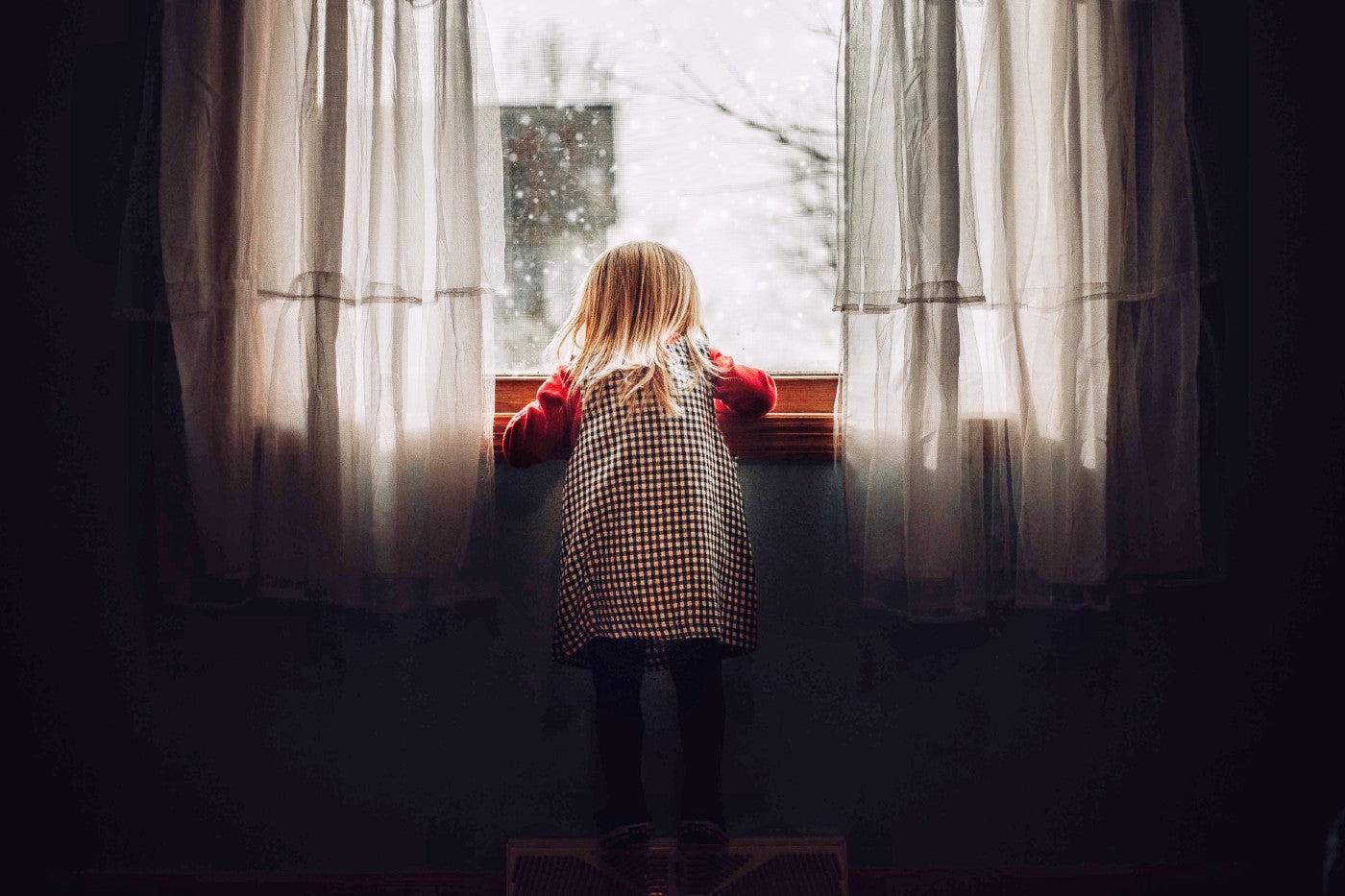
If your family has been confined to your house or apartment, your tot—and you—are bound to be feeling cooped-up...and all of those feelings of isolation and cabin fever might be especially tough to deal with during the holiday season.
How might COVID isolation impact kids this season?
Being house bound is particularly tough for kids between 1 and 5. In a way, little kids haven’t changed much in a thousand years. They expect to live in a small hut where they can wake up, rush outside, and frolic with the other little kids…running after the dogs and chickens. So, it’s no wonder why they often act out when they’re stuck in.
The good news is that kids this age are the least likely to be affected by having the holidays upended this year. For them, it’s all about a little pageantry and play. Fun songs and home-made decorations— and, perhaps, a few presents— are the key ingredients of a memorable celebration. So, don’t feel too guilty. Children under 5 haven’t formed strong memories of past holidays…and are still catching on the little details of the season.
Kids a little older, though, might be feeling a little blue this season. Elementary and middle school kids are at a real sweet spot for enjoying seasonal celebrations. They probably have lots of fun holiday memories tucked away in their little minds are bubbling over with anticipation, come December. For kids this age, a COVID Christmas or Chanukkah, could feel a lot like opening up a big, shiny present…and finding a pair of stinky old socks inside. Needless to say, they might be feeling disappointed that they don’t get to spend the holiday with friends and family, or participate in annual traditions, like visiting Santa or going ice skating.
How can you tell if your child is having a tough time?
Even if your child can’t find the words to express how they’re feeling, they may be signaling distress in other ways. Generally, big behavioral changes should tip you off that something’s not right. A few signs your child is dealing with stress and anxiety are:
- Body complaints, like head and stomachaches – often coming out of the blue – are a common stress sign.
- Behavior changes, like whining, irritability, more frequent/more fiery tantrums, or acting more baby-like, with clinginess, fear, stuttering, thumb-sucking, etc..
- Changes in sleeping, like more middle of the night waking or escalating struggles at bedtime.
- Potty problems. Stressed-out tots may regress and begin to have more pee and poop accidents, than usual.
How can you help kids cope?
Give the gift of special time.
Special time is like a little present…of your presence. Special time fills your child up with a tasty morsel of the “you-you-you” they’re so eager for. Simply set aside 5 to 10 minutes of your undivided attention (that means no phones!), which you can spend having a tea party, reading books…or doing whatever your tyke requests!
Take the opportunity to forge new traditions.
In-person gift exchanges and dinner with Grandma might be off the table, but that doesn’t mean that the holidays are cancelled! There’s plenty of fun to be had either with the members of your own household:
- Go for a walk or drive through your neighborhood to look at the lights.
- Bake and decorate cookies as a family.
- Plan a holiday movie marathon (complete with hot cocoa!)
- Do something kind together as a family (put together donations for families in need, bake dinner for a neighbor, pick up trash at the park…) Remember, kindness is contagious too! Doing good for others can be an instant mood-booster.
Practice gratitude as a family.
Research shows that practicing gratitude is a big mood-booster…and there a lot of ways your child can participate in a gratitude practice (check out some ideas for teaching gratitude here).
Take your time to really listen to what your child has to say.
Let your child know that it’s okay if they aren’t feeling very merry this season. If you notice your child is struggling, use gentle “door-openers” to encourage your child to, well, open up. A door-opener is a small gesture or comment you offer in response to whatever your child tells you that seems concerning to them. A simple, “I see,” touch on the back or sitting hip to hip and just listening shows your child that you love them, value him, and respect them. And, it invites your tot to share the worries simmering beneath the surface. (Here's how to address fears and worries with little kids.)
Enlist the help of a lovey (think: a cozy blanky or teddy bear).
Loveys can give kids much-needed comfort in times of stress. These cuddly friends help build confidence and security, and give dependable companionship through the day and night. (For a lovey that doubles as a soothing white noise machine, take a look at SNOObear!)
Get outside.
The weather outside might be frightful…but playing outside is delightful. As much as you are able try to get outside every day. Go for a walk, let your tot run wild in the backyard…whatever works for your family. Your tot can burn off steam and soak up some mood-boosting sunshine and fresh air.
Teach your little one calming routines.
You know how taking a deep breath can help you feel relaxed? Well, it works for children, too! It helps them get a grip on their big feelings. For example, kids as young as 2 can learn “magic breathing.” To teach this to your child, start by demonstrating how to take big, slooow breaths, making a whoosh-y sound on the exhale. Then have your child breathe with you for two counts in and two counts out. Eventually, you can build to longer breaths.
Connect with others virtually.
Remember physical distance doesn’t have to mean emotional distance! To help feed your child’s need for social interaction, encourage activities that require some kind of social engagement…even if it’s totally virtual.
Disclaimer: The information on our site is NOT medical advice for any specific person or condition. It is only meant as general information. If you have any medical questions and concerns about your child or yourself, please contact your health provider.






SHARE THIS ARTICLE
MOST LOVED
Sleepytime Sidekicks