PARENTS
What Is Diastasis Recti—and How Do I Fix It?
It’s normal to still look pregnant weeks after your baby has been born, but for some women, it can point to diastasis recti.

Written by
Happiest Baby Staff
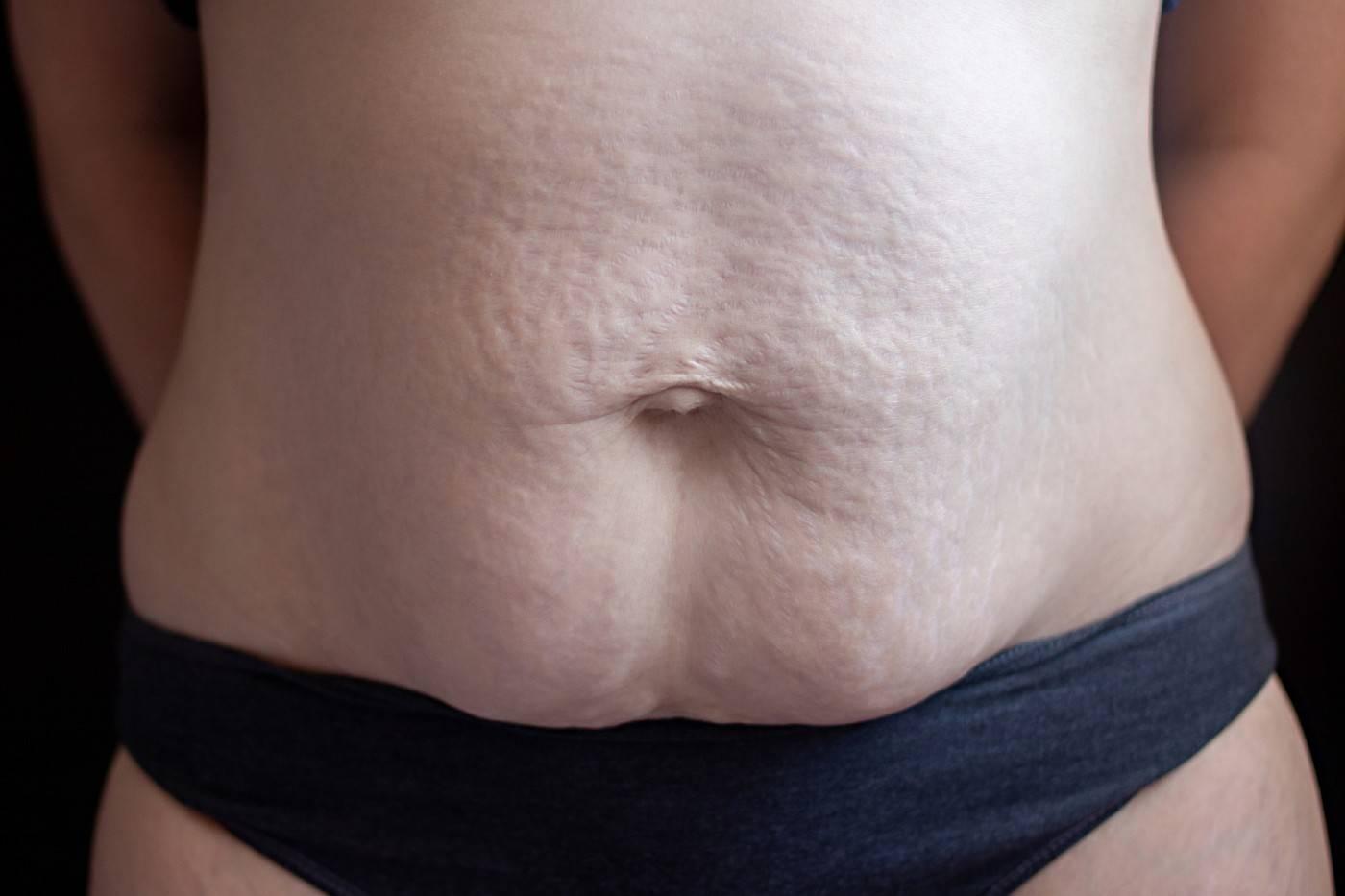
It’s perfectly normal and expected to still look pregnant weeks after your baby has been born. After all, your swelling needs to subside, your uterus needs to shrink, and all your displaced organs need to return to where they belong. But for up to 68% of women, there’s another reason the so-called pregnancy pooch remains, and it’s called diastasis recti. The good news? It’s often easy to heal. Here is everything you need to know about diastasis recti.
What is diastasis recti?
Essentially, diastasis recti (DRA) means that your rectus abdominis—aka: your would-be six-pack—has partially or fully separated. This occurs when internal pressure, like a growing uterus that houses a baby, pushes on the muscles making them longer and weaker, eventually causing them to separate, which can create a bulge in the middle of your tummy.
A new study notes that the pregnancy hormone relaxin, as well as baby’s weight, both contribute to diastasis recti. Diastasis recti most often occurs during a first pregnancy and to those carrying multiples. Factors like Mom’s pre-pregnancy weight, weight gain during pregnancy, age, delivery mode, and duration of labor, do not seem to impact risk.
What are the symptoms of diastasis recti?
The most notable sign that you’re dealing with diastasis recti is the bulge at the center of your tummy when you’re engaging your ab muscles. But because the rectus abdominis muscles provide critical support for your organs and back muscles, when they separate, it can lead to symptoms such as:
- Poor posture
- Lower back pain
- Constipation and bloating issues
- Urinary incontinence (inability to hold in pee)
If left untreated, these symptoms could potentially lead to the following:
- Pelvic floor disorders, such as pelvic organ prolapse and painful intercourse
- Umbilical hernia
- Increased back pain
How is diastasis recti diagnosed?
Diastasis recti is pretty easy to self-diagnose (of course, you’ll want to check in with your medical provider for an actual diagnosis). Follow these simple steps to find out if you might be dealing with this postpartum issue:
Step 1: Lay on your back with your feet flat on the floor and your knees up. Place one hand behind your head and rest the other hand on your belly.
Step 2: Slowly lift your head and shoulders off the floor as if you’re doing a crunch, leaving one hand behind your head. With your other hand, carefully feel the invisible middle line above and below your belly button.
Step 3: How many fingers fit in the gap you feel? If it’s more than two fingers wide, that’s generally considered moderate diastasis recti. If we’re talking three or more fingers, that’s generally regarded as severe.
When a physician confirms what you suspect, they’ll do a similar physical exam and/or offer an ultrasound. In addition, your doctor will likely give you a referral to visit a physical therapist who can provide a treatment protocol.
How is diastasis recti treated?
Before you panic, know that diastasis recti usually goes back to normal by the time your little one is 8 weeks old. (Great news!) If, however, it’s been longer than that, don’t hesitate to seek help. Most likely, your physician will send you to a physical therapist who can offer simple exercises you can do at home to help support your muscles and heal your diastasis recti.
In addition to a supervised and specific core routine, you’ll likely focus on breath control and improving posture. For example, when standing and lifting—like picking your baby up—you don’t want your spine to be rigid. Instead, it should have a gentle curve. Also, make sure that you never hold your breath when lifting.
Right now, there is no one exercise routine proven to help DRA. Instead, it’s recommended that folks with diastasis recti try physical therapy as a first line treatment, since strengthening abdominal muscles likely improves symptoms, according to a report in Frontiers in Surgery.
And if after six months of physical therapy, diastasis recti lingers and limits your function, you can talk to your doctor about the possibility of surgery to tighten up loose, bulging stomach muscles. With that, a 2020 report notes that surgery should take place at least two years postpartum—and future pregnancy should not be planned.
Disclaimer: The information on our site is NOT medical advice for any specific person or condition. It is only meant as general information. If you have any medical questions and concerns about your child or yourself, please contact your health provider.





SHARE THIS ARTICLE
MOST LOVED
Sleepytime Sidekicks