PARENTS
7 Postpartum Mental Health Myths to Stop Believing
A reproductive psychiatrist squashes common misconceptions about new parenthood and mental health, so we can all parent better.

Written by
Happiest Baby Staff
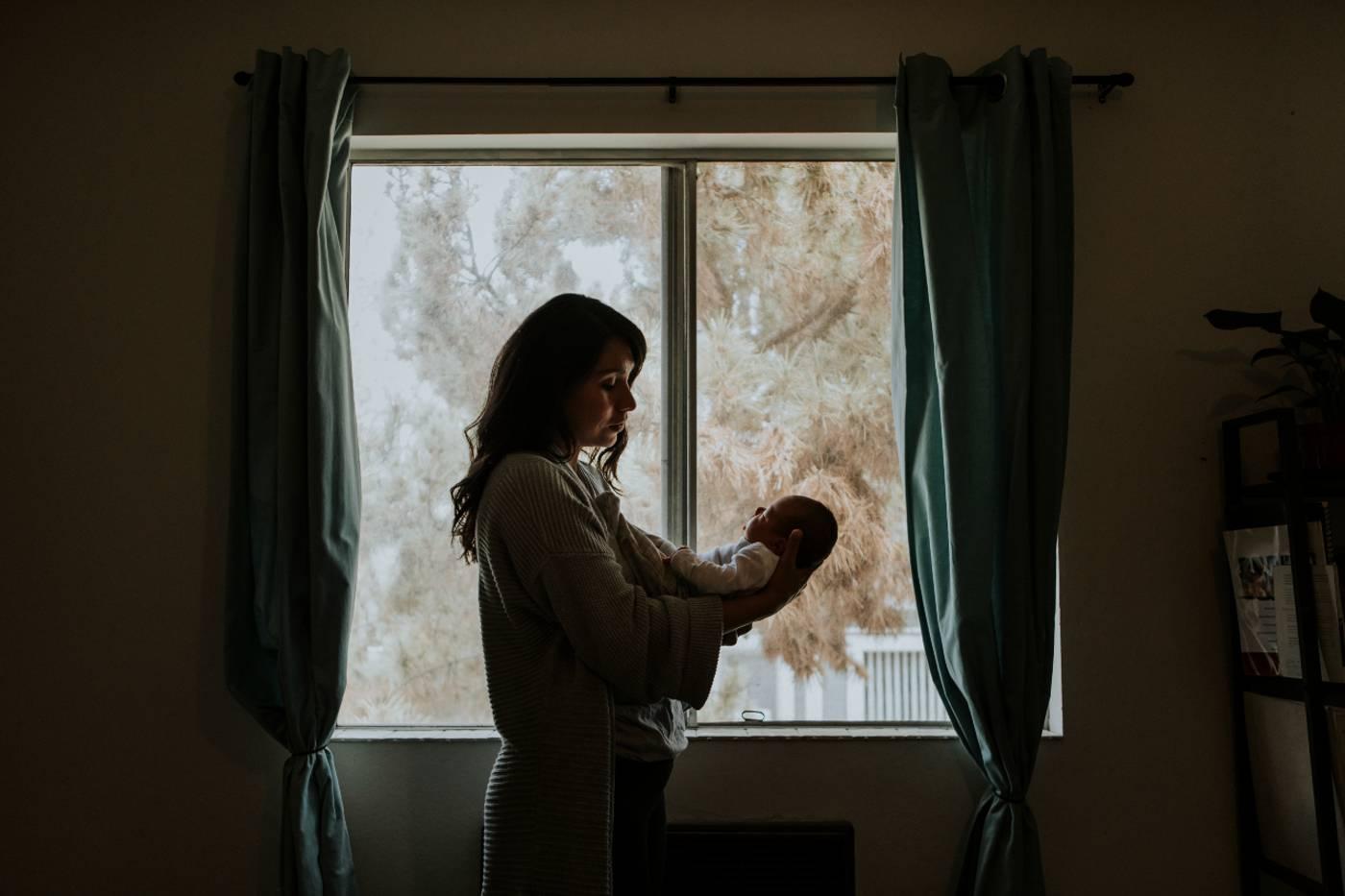
There are so many myths about new parenthood. For example, new parents are supposed to bounce back after birth with nary a complaint. Their “parental instinct” will immediately kick in, which means breastfeeding and bonding will be second nature. And, the transition into parenthood will be filled with unmatched joy and fulfillment.
But these misconceptions can be dangerous…especially for the 80% of new moms dealing with “baby blues” and the 1 in 5 struggling with perinatal mental health conditions, like depression and anxiety. That’s because these ingrained myths often bring about “feelings of inadequacy and shame, making it challenging for new parents to seek the help and support they need,” says Emily Watts, M.D., a board-certified psychiatrist specializing in women’s mental health. Adding to the roadblock: There are even more myths surrounding what postpartum mental health struggles look and feel like—and who’s vulnerable.
The truth is, anxiety and depression are the most common complications of childbirth, and they “can affect any birthing parent, regardless of personal strengths and parenting abilities at any time,” says Dr. Watts. “That’s why we need to normalize the challenges of motherhood, encourage open conversations, provide comprehensive care, and put aside all of these myths so we can prioritize maternal mental health.”
To help, Dr. Watts dismantles some commonly held myths and misconceptions surrounding perinatal mental health, so new parents and their inner circle can spot—and address—issues early.
Myth: Parents with PPD are always blue and cry a lot.
While symptoms of postpartum depression or anxiety certainly can include continued feelings of sadness and excessive crying, those are far from the only symptoms. “Those experiencing any perinatal mood and anxiety disorder may also experience prolonged feelings of hopelessness, loss of interest in activities, thoughts of self-harm or suicide. They may have difficulty bonding with the baby, or experience significant changes in weight, increased worries, or irritability, and/or possibly intrusive thoughts and/or compulsions,” says Dr. Watts. The Centers for Disease Control and Prevention also adds that feeling anger, withdrawing from loved ones, and feeling like you’re not a good parent are also symptoms of PPD.
Myth: Postpartum depression and anxiety fade away on their own.
Unlike “baby blues,” which can last up to two weeks and goes away without treatment, postpartum depression or anxiety requires treatment. “It’s essential to move quickly, because perinatal mood and anxiety disorder (PMAD) can have a significant impact on the wellbeing of both the mother and baby,” says Dr. Watts. “It may affect obstetric and neonatal outcomes, the mother’s ability to bond with her infant, neurodevelopmental outcomes, the mother’s overall mental health, and the dynamics of the family.”
The good news? PMADs are common and treatable. But “they should be addressed sooner rather than later,” Dr. Watts notes. “Remember: You’re not alone and seeking help is a sign of strength.”
Myth: PPD is the most common perinatal mental health issue.
“Perinatal depression and anxiety are both common and often occur together,” says Dr. Watts. “In fact, up to 50% of women with perinatal depression also have anxiety symptoms. But perinatal depression can often be mistaken for the normal stresses of pregnancy and new motherhood, making it challenging to diagnose.” Symptoms of postpartum anxiety can include excessive worry and fear, feeling restless, heart palpitations, and/or shortness of breath. “These symptoms can vary in severity and may not always be present in every case of perinatal depression,” says Dr. Watts. (Learn more about the difference between postpartum anxiety and PPD.)
Myth: Perinatal mental health concerns arise only right after Baby is born.
“Nearly two-thirds of perinatal mood and anxiety disorders actually originate during pregnancy,” says Dr. Watts. “As a whole, maternal mental health concerns primarily occur during pregnancy and the weeks following birth, due to hormonal changes, sleep deprivation, genetic/epigenetic vulnerabilities, and increased stress around adjustment difficulties and caring for a newborn.” (Learn more about depression during pregnancy.)
Myth: You can’t treat depression with meds during pregnancy.
“There’s a wealth of data that suggests [antidepressants and antianxiety] medications are generally very safe for use during pregnancy,” says Dr. Watts. “And that can be key, since maintaining or initiating treatment, typically selective serotonin reuptake inhibitors (SSRIs), before, during, and after pregnancy can dramatically improve odds of a healthy pregnancy.”
On the flip side, discontinuing medications in someone who was previously taking SSRIs increases the risk of relapse, making recovery more challenging during pregnancy and the postpartum period. Moreover, “stopping treatment often leads to a more severe and prolonged course of illness and worse obstetric and developmental outcomes for the baby,” says Dr. Watts. With that, it’s important to go over all the risks and benefits associated with taking any medication during pregnancy and breastfeeding.
Myth: Only parents who give birth can experience postpartum mental health issues.
“New fathers and non-birthing parents, such as those in same-sex couples, those who may have used a gestational carrier, or adopted a child, are also at risk of developing perinatal mood and anxiety disorders,” says Dr. Watts. In fact, studies show that up to 1 in 10 new fathers experience symptoms of postpartum depression.
“Unfortunately, stigma and societal expectations are big reasons new fathers and non-birthing parents may be less likely to seek help for their symptoms,” notes Dr. Watts. “That’s why it’s crucial to increase awareness and provide support for all parents during the perinatal period, regardless of their gender or how they came to be parents.”
Myth: Not sleeping is just part of new parenthood.
While a newborn’s feeding schedule and their need for constant care will certainly disrupt the natural sleep patterns of both parents, it’s still very important to prioritize Baby’s rest and parents’ rest. That’s because “parents with disrupted postpartum sleep patterns have been found to have higher levels of depressive symptoms than those with stable sleep patterns,” says Dr. Watts.
“In my practice, I often focus on getting babies to sleep through the night as quickly as possible, so parents can return to more normal sleeping patterns.” Dr. Watts goes on to note that this single intervention is “one of the most helpful tools to restoring feelings of wellbeing to struggling parents.” (Find out how SNOO supports parents’ wellbeing.)
Final Thoughts on Postpartum Mental Health Myths
“Society’s myths and misconceptions foster expectations that mothers will handle all aspects of motherhood effortlessly, which overlooks the inherent complexities and difficulties of being a parent,” says Dr. Watts. “Mothers—like everyone—should be encouraged to seek help without fear of judgment or shame. Let’s put aside the myths and work together toward a society that prioritizes maternal mental health and ensures the well-being of both mothers and their children.”
![[object Object]](https://cdn.sanity.io/images/301lhh0a/production/d6d2381dce9d3823c81c026fca503244935f84b5-206x240.jpg?w=640&auto=format&q=75&fit=max)
Board-certified psychiatrist Emily Watts, M.D., is training in reproductive psychiatry, which focuses on the mental health needs of women related to the female life cycle. Specifically, Dr. Watts focuses on women and their loved ones before, during, and after pregnancy—as well as mood issues related to menses or menopause. Dr. Watts is on the advisory council for the Stanford Center on Longevity, she serves as a member of the program committee for the UNICEF USA National Board, and is a founding member of UNICEF NextGen’s Global Principles. As a mother, physician, and philanthropist, Dr. Watts cares deeply about advancing causes related to the health, wellbeing, and longevity of children and their parents worldwide.
More on Mental Health:
- The Happiest Baby Postpartum Mental Wellness Toolkit
- Mental Health Resources for New Parents
- Top Triggers for Postpartum Depression
Disclaimer: The information on our site is NOT medical advice for any specific person or condition. It is only meant as general information. If you have any medical questions and concerns about your child or yourself, please contact your health provider.


SHARE THIS ARTICLE
MOST LOVED
Sleepytime Sidekicks