PREGNANCY
Is Crispy Rice Safe to Eat During Pregnancy?
Here’s what to know about digging into that sushi-style dish.

Written by
Happiest Baby Staff
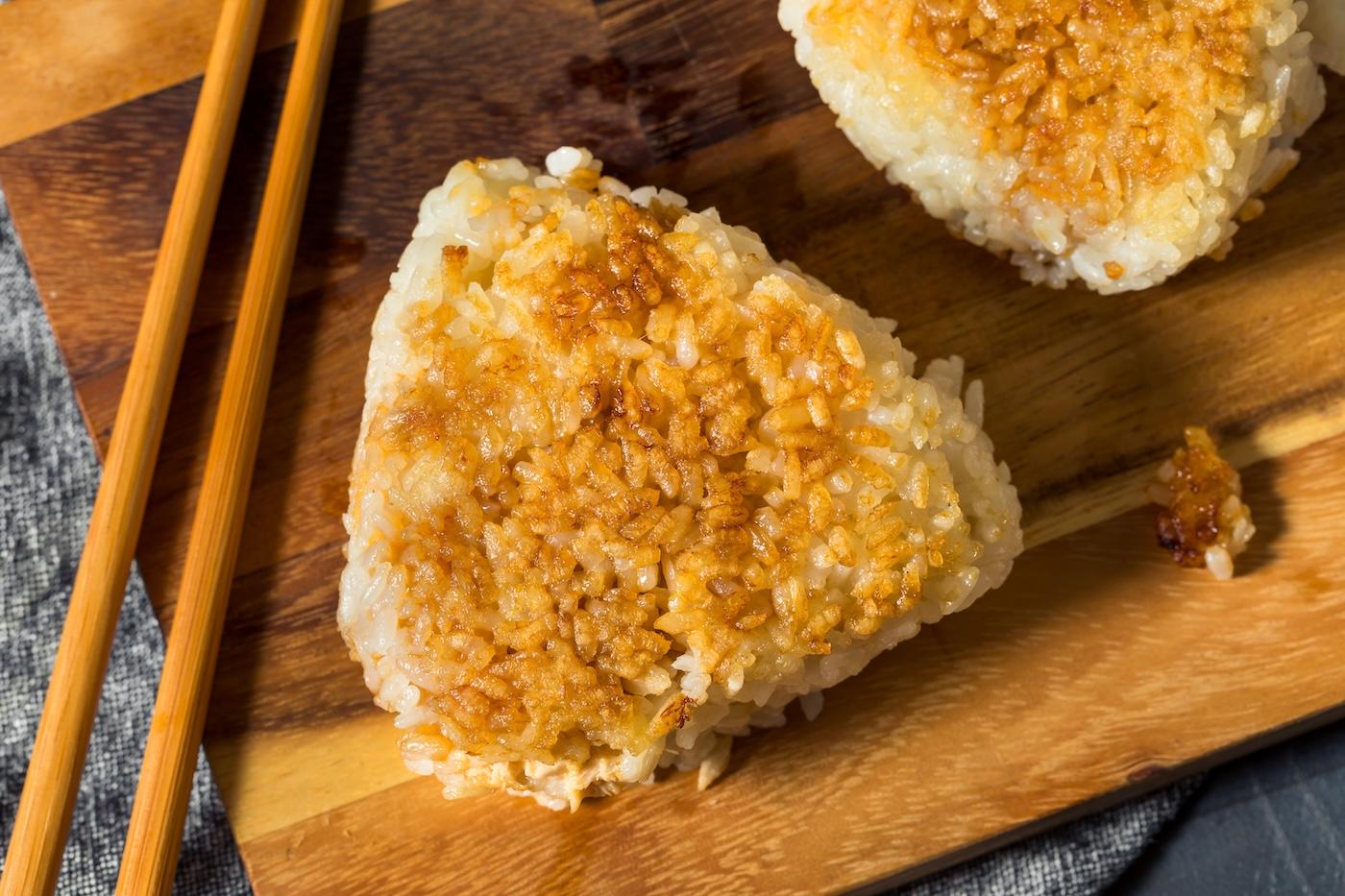
Yes, you can eat crispy rice during pregnancy. Whether it’s puffed rice cereal, toasted rice snacks, or crispy rice used in sushi-style dishes, it’s generally safe as long as it’s made from properly cooked rice and stored or prepared hygienically.
Is crispy rice safe to eat while pregnant?
Crispy rice is typically made from cooked rice that’s been puffed, baked, or toasted, and low‑moisture shelf‑stable products are generally lower risk for bacterial growth when kept sealed and dry.
The main considerations with crispy rice are (1) added ingredients (like sugar, salt, or seasonings) and (2) how the rice was handled after cooking if it’s a homemade or restaurant-prepared item (cooling, refrigeration, and reheating).
There’s a type of foodborne illness—bacillus cereus—that can be present in uncooked rice. Its heat‑resistant spores may survive cooking, and toxins can persist even after brief reheating if cooked rice is held at room temperature.
And, of course, if crispy rice is part of a sushi‑style dish, choose pregnancy‑safer toppings (for example: fully cooked seafood, vegetables, or avocado) and avoid raw seafood. (Learn more about eating fish during pregnancy.)
Benefits of Eating Crispy Rice During Pregnancy
- Carbohydrate source: Rice-based snacks provide carbohydrates, which can contribute to energy intake.
- Fortified options: Some ready‑to‑eat cereals (including some crispy rice cereals) are fortified with vitamins and minerals. (Check the label to figure out if this is the case!)
- Easy digestion: For many, rice tends to be gentle on the stomach—helpful if you’re nauseous.
Risks or Considerations
- Added sugars: Many crispy rice cereals contain high amounts of sugar—take a peek at the nutrition label.
- High sodium: Savory crispy rice snacks can contain excess salt. Compare the nutrition facts if you’re watching your sodium intake.
- Rice-based arsenic levels: Rice can contain inorganic arsenic, and rice-based products can contribute to exposure—so vary your grains and enjoy rice products in moderation rather than relying on them as your only staple.
- Food handling: If crispy rice comes from cooked rice (whether it’s homemade or from a restaurant) and is left out too long, it can pose a food‑safety risk. Refrigerate leftovers within 2 hours and make sure you fully reheat.
How to Safely Eat Crispy Rice While Pregnant
- Choose plain or lightly sweetened varieties when possible.
- Check labels for added sugars and sodium, and for any ingredients you personally avoid.
- If you’re making crispy rice from cooked rice at home, cool and refrigerate promptly and reheat thoroughly. Don’t leave cooked rice at room temperature for long periods!
- Enjoy as part of a balanced meal or snack—pair with protein or healthy fats.
- If ordering crispy rice at a restaurant, select pregnancy-safe toppings and avoid raw seafood.
When to Avoid Crispy Rice
- If it smells off, has visible mold, or seems spoiled.
- If it’s paired with raw seafood (or other high‑risk foods you’ve been advised to avoid during pregnancy).
The Bottom Line
Crispy rice is generally fine during pregnancy, especially when it’s a shelf‑stable packaged product and you follow good food‑safety practices. If it’s made from cooked rice, safe cooling and refrigeration matter. Avoid raw seafood toppings, choose lower‑sugar options when you can, and vary grains to help limit inorganic arsenic exposure from rice-based foods.
More on Healthy Eating During Pregnancy:
- Nutrients You Need During a Vegetarian Pregnancy
- The Nutrients You Need During Pregnancy
- Healthy Ways to Satisfy Pregnancy Cravings
- Pregnancy Nutrition Myths to Ignore
***
REFERENCESBacillus cereus Food Poisoning Associated with Fried Rice at Two Child Day Care Centers—Virginia, 1993, MMWR Morbidity and Mortality Weekly Report, March 1994Centers for Disease Control and Prevention: Get the Facts: Added SugarsCenters for Disease Control and Prevention: Preventing Food PoisoningU.S. Food and Drug Administration: Arsenic in Rice and Rice Products Risk AssessmentFoodSafety.gov: People at Risk: Pregnant WomenDisclaimer: The information on our site is NOT medical advice for any specific person or condition. It is only meant as general information. If you have any medical questions and concerns about your child or yourself, please contact your health provider.






SHARE THIS ARTICLE
MOST LOVED
Sleepytime Sidekicks