PREGNANCY
The Pregnancy Deficiency You Need to Know About
Iron deficiency is very common in pregnancy, but too many moms-to-be aren’t getting tested. What this means for you and your baby-to-be.

Written by
Gabrielle McPherson, MS, RDN, LDN
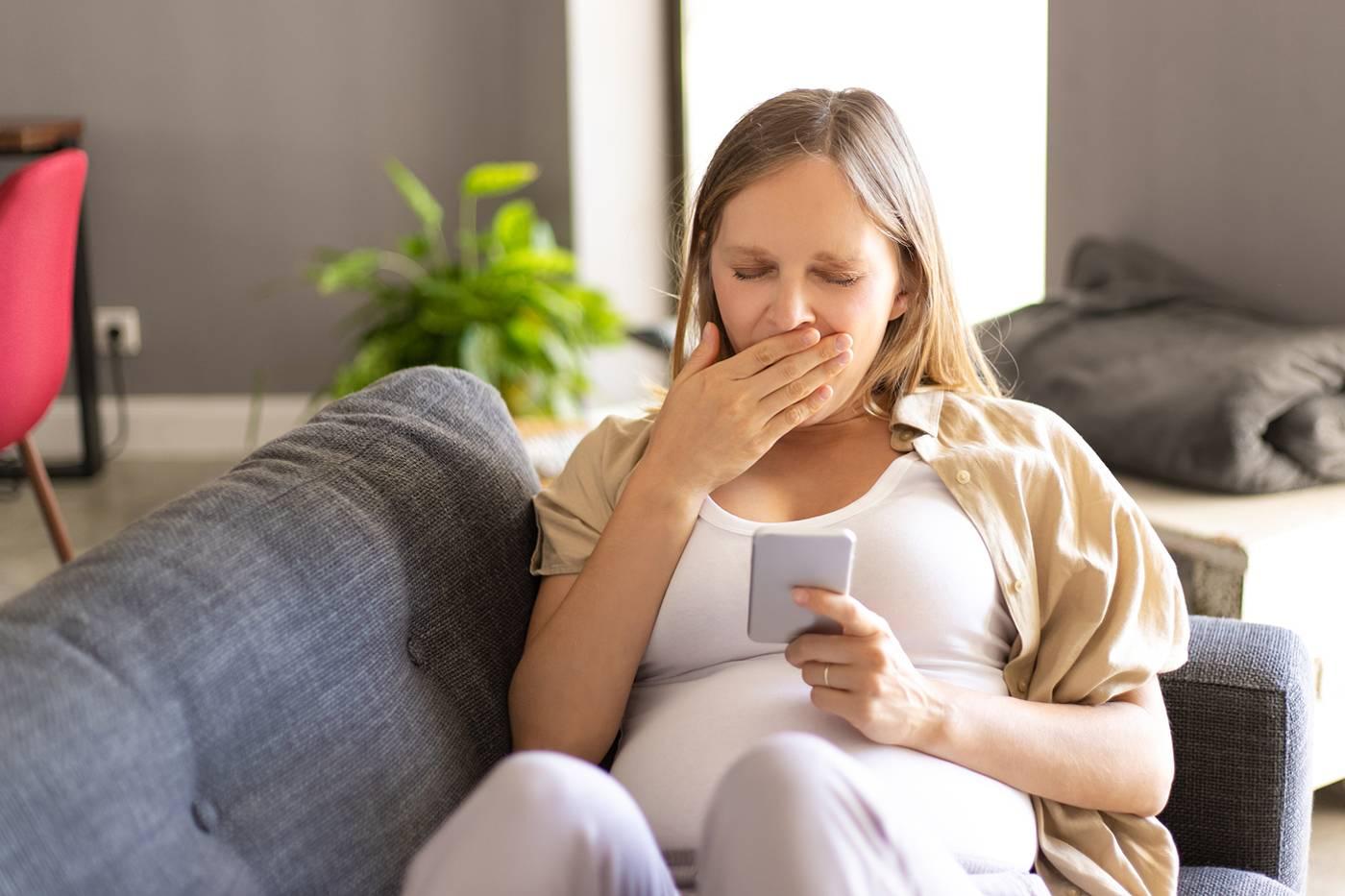
One in two pregnancies are affected by iron deficiency, according to a recent study…yet many expectant moms aren’t getting a simple prenatal screening test to check their iron levels. And that’s worrisome, especially since iron plays such a critical role in helping your baby-to-be develop. Keep reading to discover everything you need to know about iron intake and iron deficiency during pregnancy—and what foods can help keep your iron levels optimal.
Why is iron in pregnancy important?
Iron is an essential nutrient for a healthy pregnancy. In fact, your iron needs increase during pregnancy, in part, because you’re experiencing a major uptick in blood flow to support your growing baby. You see, iron’s main job is to make hemoglobin, which is a key protein present in your red blood cells, delivering oxygen and nutrients to your growing baby. If there’s not enough iron circulating in your body, not enough hemoglobin can form, and not enough oxygen can get to you and your baby’s cells and tissues. This leads to a condition called anemia, which puts you at risk for pregnancy complications, such as preterm birth, low birth weight baby, even postpartum depression. And, of course, expectant moms with low iron levels risk having babies with low iron levels. Research has shown that babies with iron deficiencies may have trouble with memory recognition, mental processing, and bonding.
What causes iron deficiency in pregnancy?
Iron deficiency in pregnancy can happen for many reasons. Your body’s demand for iron increases in the second trimester and reaches its highest point during the third trimester. And it can sometimes prove difficult for expectant parents to meet that elevated demand with enough iron-rich foods. And because blood loss from menstruation can also put you at a greater risk for iron deficiency, you may even enter pregnancy already iron deficient…which can worsen as your pregnancy progresses. Finally, if you’re carrying multiples, vegan or vegetarian, or not taking a prenatal vitamin with iron, your chance of iron deficiency in pregnancy is even higher.
What are the signs of iron deficiency in pregnancy?
Iron deficiency in pregnancy can rob you of your energy, leaving you feeling tired or weak. Some moms-to-be may even crave non-food items like ice, dirt, or clay. Here are some other signs that you may need more iron in your life.
- Feeling cold
- Pale skin
- Brittle nails
- Lightheadedness
- Irregular heartbeat
How can pregnant folks find out if they’re iron deficient?
Although most prenatal guidelines recommend screening for low iron levels during pregnancy, only 40% of pregnant individuals actually get screened for iron deficiency, notes a 2021 report. If your medical provider has yet to offer testing…ask! They’ll order blood work to determine if you’re iron deficient. The labs might involve a complete blood count (CBC), mean corpuscular volume (MCV), hemoglobin, or hematocrit. These tests screen for low iron levels, and some are as simple as a fingerstick. The results will help your OB/GYN or midwife determine the right way to treat your iron deficiency. An important aside: The American College of Obstetricians and Gynecologists currently defines anemia in pregnancy differently depending on whether you’re Black or not. New research suggests that pregnant individuals with hemoglobin levels below 11 g/dL during any period of pregnancy should be considered to have low iron levels…regardless of race.
How do you prevent or treat iron deficiency in pregnancy?
First, take a prenatal vitamin that contains iron! Iron deficiency treatment, of course, depends on the severity. Your medical provider may recommend a blood transfusion, taking an additional iron supplement on top of your prenatal, or simply making some changes to your eating habits. Your goal: To take in 27 milligrams of iron a day.
What are some iron-rich foods to stave off or treat iron deficiency in pregnancy?
A way to prevent or treat iron deficiency in pregnancy is taking your prenatal vitamins containing iron…and eating foods brimming with iron. Foods contain two types of iron: heme and nonheme iron. Heme iron comes from animal sources and is easily absorbed. In fact, your body absorbs two to three times more iron from animal sources than from plants. That doesn’t mean plant sources of iron aren't great for you…they simply contain nonheme iron that needs a little help on the absorption front. To do that, pair any nonheme iron foods with other eats that are rich in vitamin-C, like citrus fruits, bell peppers, and tomatoes. Vitamin C works with iron to aid absorption. Another way to increase your iron: Cook with cast iron pots and pans! Research has shown that doing so increases the iron content for foods, like these:
Heme iron foods: Beef, fish and shellfish, chicken, pork
Nonheme iron foods: Beans and lentils, dark leafy greens, dried fruit, nuts and nut butter, quinoa, seeds and seed butter, tofu
Other iron-rich foods: Dark chocolate, fortified breakfast cereal, whole grain bread
Do any foods hinder iron absorption?
Yes! Coffee, tea, milk, and other dairy products. It’s best not to consume these foods and drinks at the same meal you're enjoying high-iron eats. So, instead of having a cup of tea with your whole grain peanut butter toast, have it between meals, notes a 2020 study.
Disclaimer: The information on our site is NOT medical advice for any specific person or condition. It is only meant as general information. If you have any medical questions and concerns about your child or yourself, please contact your health provider.

SHARE THIS ARTICLE
MOST LOVED
Sleepytime Sidekicks




More on Pregnancy
About Gabrielle McPherson, MS, RDN, LDN
Gabrielle McPherson, MS, RDN, LDN is registered dietitian in Missouri who specializes in community and pediatric nutrition. Gaby is passionate about encouraging families to eat well in simple, practical ways that are realistic...and delicious! When not working, Gaby loves cooking, baking, and making messes and memories with her sous-chef/preschooler Charlotte.