PREGNANCY
Labor Contractions: What You Need to Know
They’re a telltale sign that Baby’s on the way!

Written by
Happiest Baby Staff
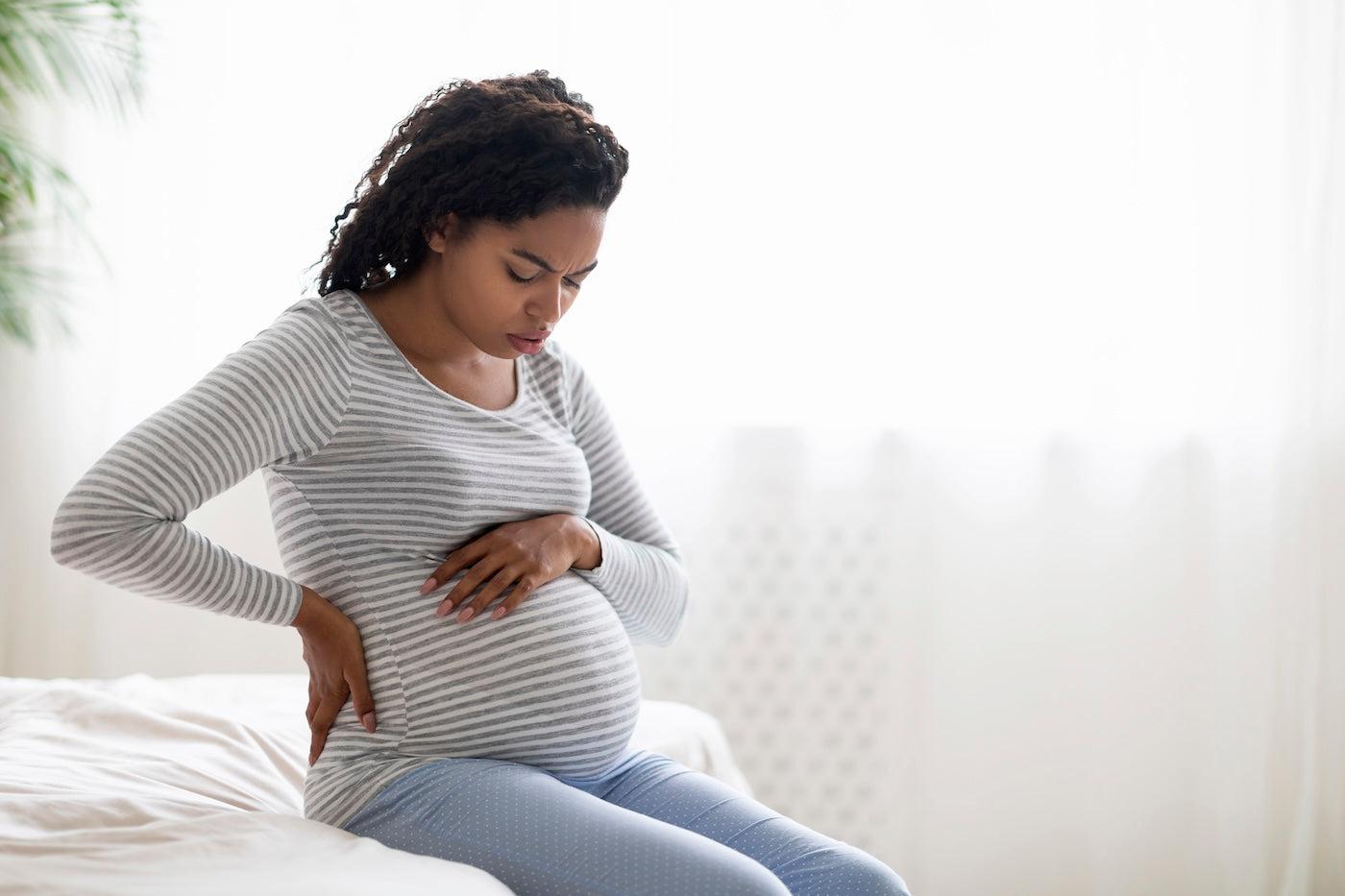
Growing a baby is hard work…and so is pushing it out! That’s why to coax your little one down the birth canal, your uterine muscles really get a workout. These (let’s be honest, sometimes painful) flexing-and-relaxing movements are better known as labor contractions. In addition to prepping you for showtime (aka Baby’s arrival), contractions are a key sign of labor!
Knowing that, you’re probably tuning into every tiny twinge as you approach the big day, wondering what contractions feel like—and at what point should you hightail it to the hospital. So, here’s some help understanding what labor contractions are, how to track them, and when to spring into action!
Are you ready for Baby's arrival? Find out why SNOO is parents most-loved bassinet!
What are contractions during labor?
Labor contractions are the tightening and relaxing of your uterine muscles that push your baby down the birth canal. These rhythmic movements work to dilate the cervix and position your baby for delivery. Contractions are your body’s way of getting all systems go for childbirth.
What causes contractions during labor?
Contractions are triggered by a hormone called oxytocin, which stimulate the uterus to contract. (The synthetic version of oxytocin is called Pitocin, and it’s used in labor inductions!) As labor progresses, your body produces more oxytocin, which intensifies contractions. Other factors, like the release of prostaglandins , also play a role in prepping your cervix for delivery.
What do labor contractions feel like?
Early contractions might feel like mild menstrual cramps or a tightening sensation in your abdomen. As true labor begins, contractions grow stronger and more consistent. Normal labor contractions follow a predictable pattern: They start gently, build in intensity, and then subside. They become more regular, longer, and stronger as labor progresses. This cycle helps your cervix dilate to 10 centimeters, the point at which you're ready to push. During early labor, contractions may be spaced 15 to 20 minutes apart. As labor progresses, they occur more frequently—around every 2 to 5 minutes once you hit active labor.
Where do you feel contractions during labor?
Most people feel contractions in the lower abdomen, but they can also radiate from the lower back and thighs. For some, back labor—a type of contraction pain concentrated in the lower back—is particularly intense, often caused by the baby’s position.
What are the four types of contractions?
- Braxton Hicks Contractions: These “practice” contractions are irregular and relatively painless (compared to the real deal, at least!). They help the body prepare for labor, but aren’t a good indicator that labor’s about to start. In fact, sometimes they start as early as 6 weeks!
- Early Labor Contractions: Mild to moderate, occurring every 5 to 20 minutes and last 60 to 90 seconds as your cervix begins to dilate.
- Active Labor Contractions: More intense and regular, typically 3 to 5 minutes apart.
- Transition Contractions: The most intense phase, with contractions coming every 2 to 3 minutes as your body prepares for pushing.
How long is labor when contractions start?
The first stage of labor (early and active phases) typically lasts between 12 and 19 hours for first-time parents. The second stage, when pushing begins, can last anywhere from 20 minutes to 2 or 3 hours. The final stage, delivering the placenta, is usually the shortest. Of course, labor experiences can vary from person to person, and it tends to go faster for those who have given birth before.
Should I monitor contractions during labor?
Monitoring your contractions can help you understand where you are in labor. Use a stopwatch or app (such as Full Term) to track the start and end of each contraction. This will help you see how long each contraction is lasting and how frequent they are. Timing contractions can help you know when it’s time to go to the hospital: Many doctors use the 5-1-1 rule (contractions are 5 minutes apart, lasting 1 minute each, for at least 1 hour). Remember, the closer together they get, the closer your baby’s arrival!. When you check in at your hospital or birthing center, you’ll want to share this info with your provider.
Labor contractions are one of the most powerful indicators that your baby is on the way and understanding them can help you head into the big event with more confidence!
More on Labor & Delivery:
- Dilation and Effacement: What’s Happening to Your Body
- Pain Relief During Labor: Your Best Options
- Natural Ways to Induce Labor: Fact vs. Fiction
- Labor Relaxation Techniques: Tips for an Easier Birth
***
REFERENCES
- American College of Obstetricians and Gynecologists (ACOG): How to Tell When Labor Begins
- National Center for Biotechnology Information (NCBI): Labor Progression Overview
- KidsHealth: Understanding Childbirth Pain
- FamilyDoctor.org: How Do I Know I’m in Labor?
- American College of Obstetricians and Gynecologists (ACOG): Symptoms of Labor
- Mayo Clinic: Stages of Labor
- National Center for Biotechnology Information (NCBI): Labor and Delivery
- Office on Women’s Health (OWH): Labor and Birth Basics
- National Health Service (NHS): What Happens During Labor?
- American College of Obstetricians and Gynecologists (ACOG): Clinical Practice Guidelines for Labor Management
- University of Michigan Health: Labor and Delivery Resources
Disclaimer: The information on our site is NOT medical advice for any specific person or condition. It is only meant as general information. If you have any medical questions and concerns about your child or yourself, please contact your health provider.






SHARE THIS ARTICLE