TODDLER
Norovirus: What to Know About This Yucky Stomach Bug
When vomiting diarrhea hit your household, norovirus might be to blame! Here’s how to cope…

Written by
Holly Pevzner
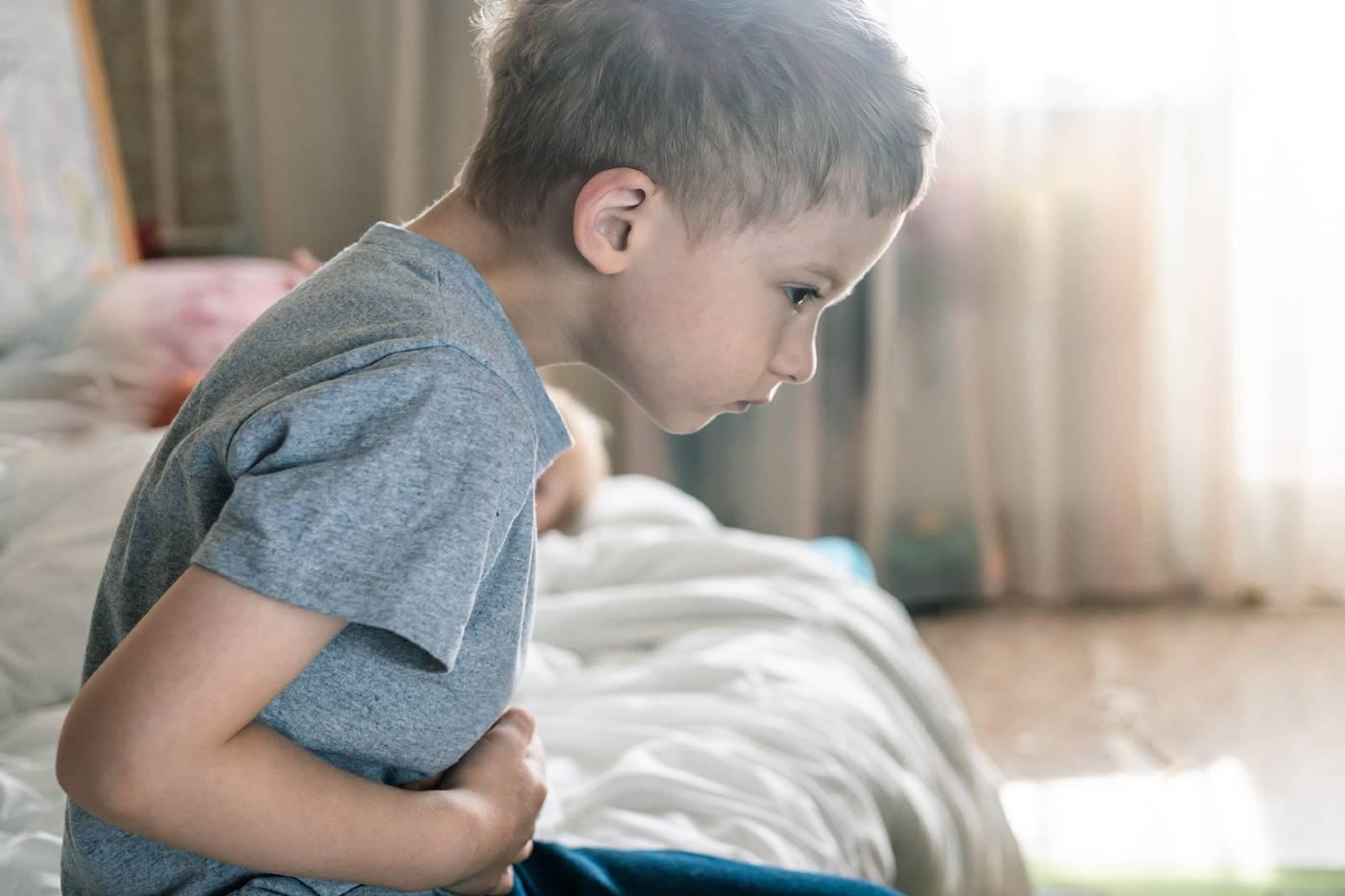
What causes puking, pooping, and is highly contagious? (Besides, you know, every parent’s nightmare.) That would be the dreaded norovirus. And unfortunately, this epic stomach sickness tends to surge this time of year.
But what exactly is norovirus? Is norovirus the same as the stomach bug? Or is norovirus food poisoning? And is there any way to escape this icky illness? Here, everything you need to know about norovirus.
What is norovirus?
Norovirus is not just one thing. Instead, noroviruses are a group of common and highly contagious viruses that cause gastroenteritis, which is inflammation of the stomach and intestines. Each year, norovirus causes up to 21 million cases of acute gastroenteritis in America. (PS: While gastroenteritis is often dubbed the stomach flu, it has nothing to do with influenza.)
Who’s at risk for norovirus?
While anyone can be briefly taken down by norovirus, young children are among those most at risk for more severe or prolonged norovirus infection. (The elderly and people with other medical conditions are also more susceptible to severe or prolonged norovirus.) Plus, norovirus outbreaks frequently occur in schools and childcare centers where there are lots of kiddos in close quarters with lots of high-touch surfaces. Other locations ripe for infection include healthcare facilities and cruise ships. (Though, there’s probably no need to steer clear from sailing the seven seas: Even though norovirus is sometimes dubbed the “cruise ship virus,” norovirus outbreaks on cruises account for just 1% of all reported norovirus outbreaks.)
Is norovirus food poisoning?
It can be! According to the Centers for Disease Control and Prevention (CDC), noroviruses are the leading cause of foodborne illness. In fact, infected food workers cause about 70% of reported norovirus outbreaks from contaminated food. And norovirus is responsible for other food contamination as well. For example, in December 2022, the Food and Drug Administration warned against consuming potentially norovirus-contaminated oysters that were harvested in norovirus-contaminated water in Texas. That said, noroviruses are not the only cause of food poisoning. And not all norovirus infections are contracted through eating contaminated food.
Norovirus Symptoms
While some people get norovirus without any signs or symptoms, those lucky folks are generally the exception. Norovirus symptoms include…
-
Diarrhea - Vomiting
- Nausea
- Tummy pain
Norovirus symptoms and complications also may include:
- Fever
- Chills
- Headache
- Muscle aches
- Dehydration
- Lightheadedness
Norovirus symptoms, which are usually the same whether you get sick or your kiddo does, tend to strike suddenly between 12 and 48 hours after being exposed to norovirus and are generally milder than symptoms caused by rotavirus.
Is norovirus contagious?
Yes! When you have norovirus, your body releases billions of tiny virus particles that can quickly and easily make others sick…and you may continue to be contagious for weeks after you feel better (yikes!). Here’s how norovirus spreads:
-
Sick people: If you have direct contact with someone infected with norovirus, such as changing their diaper or sharing utensils, you can easily catch norovirus. (This is the most common route for transmission.) - Contaminated surfaces: If a person with norovirus touches a surface with their bare hands or if their vomit or diarrhea splatters onto surfaces, norovirus can spread.
- Food: Food, such as oysters, can be harvested from contaminated water. And fruit and leafy greens can be irrigated with norovirus-containing water. Food can also become contaminated when placed on a surface dotted with feces or vomit particles, when sprayed with vomit particles that travel through the air and land on food, or if someone touches food with contaminated hands.
- Water: Recreational or drinking water can get contaminated with norovirus when a septic tank leaks into a well, an infected person vomits or poops in the water, or when water isn’t properly treated with chlorine.
- Cruises: Even though cruise cases make up only about 1% of all reported norovirus outbreaks, norovirus is the most frequent (over 90%) cause of outbreaks of diarrheal disease on cruise ships. This bug can be especially challenging to control on cruise ships because of close living quarters, shared dining areas, and rapid turnover of passengers. When the ship docks, norovirus can be brought on board in contaminated food or water or by passengers who were infected while ashore. Repeated outbreaks on consecutive cruises may also result from infected crew or environmental contamination. This is because norovirus can persist on surfaces for days or weeks and is resistant to many common disinfectants.
How long does norovirus last?
Icky norovirus symptoms usually clear up after one to three days. But even if your bub is feeling better, they should not return to school or daycare until their vomiting and diarrhea has been gone for 24 to 48 hours. (Diaper-clad kiddos should steer clear of swimming pools for seven days after their diarrhea has stopped.) The catch, however, is that your tyke may still be able to spread norovirus for two weeks or more after they feel better. Because of that, it is always a good idea to check with your pediatrician before resuming your kiddo’s regular schedule.
How to Treat Norovirus
There is no “cure” for norovirus. Just like all other viral infections, antibiotics don’t treat norovirus. (Antibiotics only work against bacteria.) Instead, it’s all about soothing symptoms—and staving off dehydration. Here’s how to treat norovirus at home:
-
Help your child get as much rest as possible. - Offer lots of clear fluids, like water and broth, to help your bub stay hydrated.
- Serve Pedialyte, Enfalyte, or another oral rehydration solution (or frozen electrolyte pops) to help replace lost fluids.
- Refrain from giving your child any medicine, unless recommended by their pediatrician.
- When vomiting stops, offer small amounts of food to eat, avoiding greasy or fried foods until your child feel better.
- Make sure your tot washes their hands well—and often—to help prevent spreading norovirus to others.
How to Prevent Norovirus
While it’s not possible to completely prevent norovirus, there are steps you and your family can take to discourage norovirus from taking over your entire household. (Unfortunately, there’s no norovirus vaccine.) If your kiddo has norovirus, take these steps to help shield others from getting sick:
-
Before and after caring for—or cleaning up after—your sick child, wash your hands for at least 20 seconds with soap and water. (Here’s how to teach toddlers to properly wash their hands.) - Don’t rely on alcohol-based hand sanitizers to kill germs! Hand sanitizer does not work well against norovirus.
- Put on a face mask and wear rubber gloves when cleaning up after your sick child.
- Clean contaminated surfaces, including the toilet area, with a solution of 5 tablespoons of bleach to one gallon of water. Be sure to leave it on for at least 10 minutes before wiping away. (This may discolor colored items.)
- Wash soiled pajamas, clothes, bedding, and towels in hot water on the longest wash cycle. Dry on a high heat setting.
And always follow these stay-healthy rules:
-
Wash fruits and vegetables before preparing or eating them. - Thoroughly cook seafood.
- If you’re traveling to areas with a high risk of norovirus, consider eating only cooked foods, drinking only hot or carbonated beverages, and avoiding food sold by street vendors.
When to Call the Doctor About Norovirus
While you should always feel free to call your child’s pediatrician whenever you have questions, know that most kiddos recover from norovirus in a few days with no medical intervention. However, you should always check in with your healthcare provider if your tyke…
- Is under 6 months old
- Has a chronic or concurrent illness
- Has a high fever
- Vomits blood
- Has bloody diarrhea
- Experiences severe belly pain
- Has not taken in any fluids for more than a few hours
- Has had no wet diaper in 4 to 6 hours or is peeing less than three times a day
- Is experiencing dry mouth
- Sheds few tears when crying
- Is still vomiting or experiencing diarrhea after a few days
More on common childhood illnesses:
- Enterovirus Explainer: What Parents Need to Know
- What to Know About Bellyaches
- Fever and Vomiting in Toddlers
- Your Cold, Flu, and RSV Toolkit for Babies
***
REFERENCES
- Centers for Disease Control and Prevention: Norovirus National Trends
- National Foundation for Infectious Diseases: Norovirus
- CDC, Healthcare-Associated Infections (HAIs): General Information about Norovirus
- Common Settings of Norovirus Outbreaks: Common Settings of Norovirus Outbreaks
- CDC: Norovirus
- CDC, Vital Signs: Preventing Norovirus Outbreaks
- Food and Drug Administration: FDA Advises Restaurants, Retailers and Consumers to Avoid Potentially Contaminated Oysters from Harvest Area TX 1, Texas
- CDC: The Symptoms of Norovirus
- Norovirus Illnesses in Children and Adolescents. Infectious Disease Clinics of North America. March 2018
- The Nemours Foundation, KidsHealth: Norovirus
- Cleveland Clinic: Norovirus
- CDC: How Norovirus Spreads
Disclaimer: The information on our site is NOT medical advice for any specific person or condition. It is only meant as general information. If you have any medical questions and concerns about your child or yourself, please contact your health provider.




SHARE THIS ARTICLE
MOST LOVED
Sleepytime Sidekicks




More on Toddler


About Holly Pevzner
Holly Pevzner is Happiest Baby’s Staff Writer. She specializes in creating parenting, pregnancy, health, nutrition, and family travel content. Her work—including essays, columns, reported features, and more—has appeared in outlets such as EatingWell, Family Circle, Parents, Real Simple, and The Bump. Before becoming a full-time writer, Holly held senior staff positions at Prevention, Fitness, and Self magazines, covering medical health and psychology. She was also a contributing editor at Scholastic Parent & Child magazine and a regular kids-health columnist for Prevention and First For Women magazines. Holly lives in Los Angeles with her husband, two boys, and terrier mix.