TODDLER
Hay Fever Help: How to Manage Your Child’s Seasonal Allergies
Is it a cold or allergies? How to tell the difference—and help your tot feel better fast!

Written by
Happiest Baby Staff
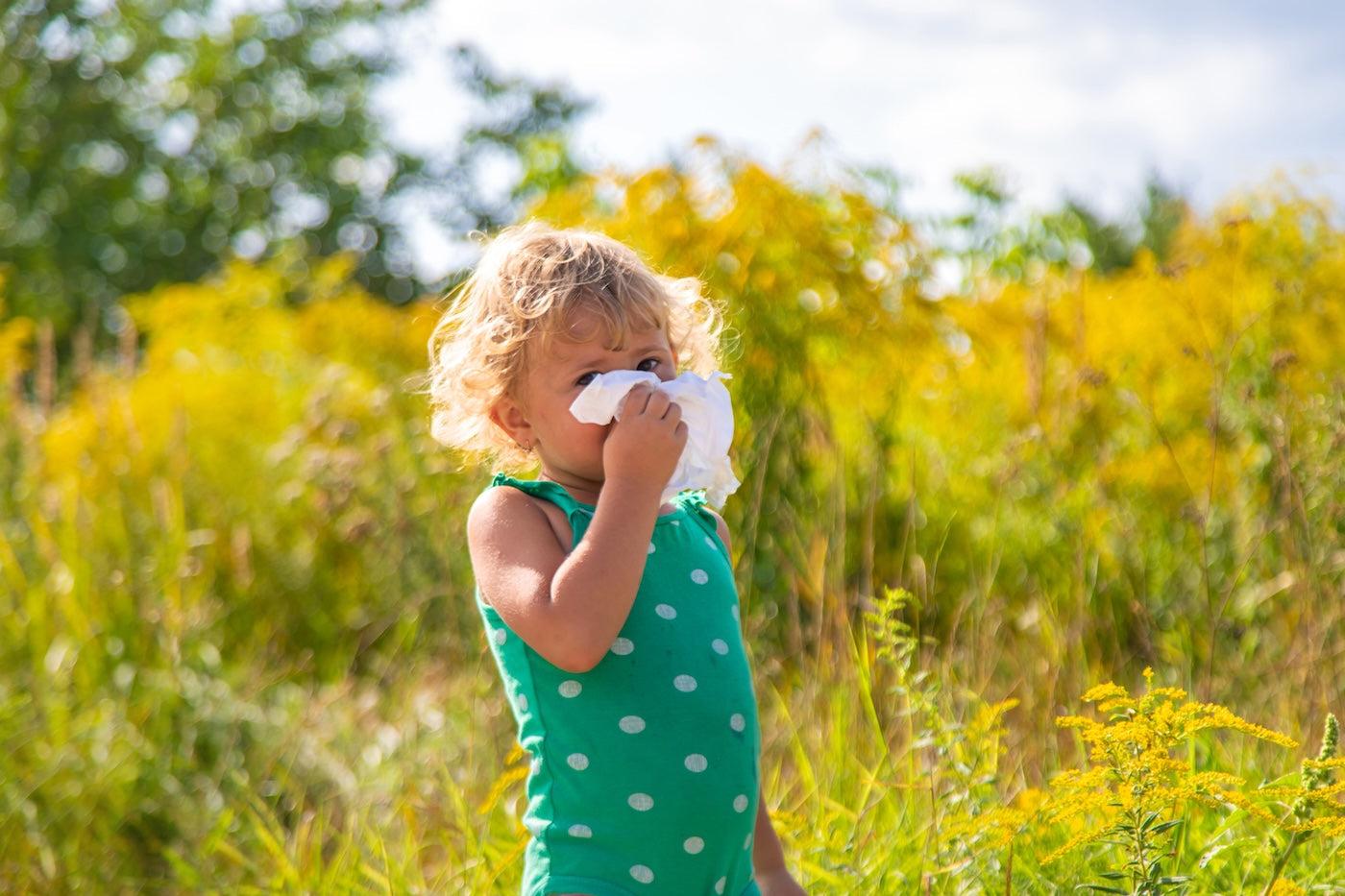
Ah, springtime. The weather warms up, the flowers begin to bloom, and maybe—just maybe—we can put sniffle season behind us. Then, you hear it. A raspy cough. A giant aah-choo! Or maybe a mucus-y sniiiffff.
Yep, it’s allergy season. As the days start to get longer, seasonal allergies (aka hay fever or allergic rhinitis) start to kickup too. They’re super common, impacting nearly 1 in 5 children in the U.S.
If your little one seems to catch a "cold" every spring or fall, seasonal allergies might be the culprit. Here’s what parents need to know about symptoms, causes, treatments, and ways to help your child breathe easier.
Seasonal Allergy Symptoms in Kids
Seasonal allergies happen when the immune system overreacts to pollen, mold spores, or other airborne allergens. The result? A flood of histamines that cause classic allergy symptoms, including:
- Runny or stuffy nose
- Sneezing
- Itchy, watery, or red eyes
- Coughing or throat irritation
- Postnasal drip (when mucus runs down the back of the throat)
- Fatigue (from poor sleep due to congestion)
Allergy Symptoms vs Cold Symptoms
Colds and allergies have a lot of symptoms in common, with a few key differences. Colds often come with thick, yellow or green nasal discharge, body aches, and sometimes a fever, while allergies tend to cause clear, watery mucus and aren’t associated with fevers and other aches and pains. Also, colds tend to resolve within 10 days, whereas allergy symptoms persist as long as the allergen is present.
What Causes Seasonal Allergies in Kids
If your kiddo starts sneezing and rubbing their eyes every spring or fall, seasonal allergies are probably to blame. But what actually causes these allergies? It all comes down to an overprotective immune system.
Normally, things like pollen or mold spores are harmless. But in kids with allergies, the immune system treats these tiny particles like dangerous invaders. It fights back by releasing chemicals like histamine, which leads to sneezing, stuffy noses, itchy eyes, and all those other classic allergy symptoms.
Common Seasonal Allergy Triggers
The most common culprits behind seasonal allergies include:
- Tree pollen(spring)
- Grass pollen(late spring and summer)
- Weed pollen(late summer and fall)
- Mold spores(can be year-round, but peak in damp weather)
- Airborne irritants(like smoke and pollution, which can make symptoms worse)
Pollen levels tend to be highest on dry, windy days when allergens swirl through the air. On the flip side, rainy days can wash pollen away—but they create the perfect environment for mold to grow. If your child’s symptoms flare up at the same time every year, seasonal allergens are likely the culprit!
Diagnosing Seasonal Allergies in Kids
If you suspect your child has seasonal allergies, their pediatrician may recommend keeping a symptom diary to track when and where symptoms appear. If needed, an allergist can perform tests to confirm the allergy.
Does my kid need an allergy test?
Not every child needs testing, but if symptoms are severe, year-round, or not responding to treatment, an allergy test might be helpful.
Types of Allergy Tests
There are two types of allergy tests used to diagnose seasonal allergies:
- Skin prick test:A small amount of allergen is placed on the skin, and a tiny prick is made to see if an immediate reaction occurs.
- Blood test:Measures allergy-related antibodies in the blood. This test is often used when skin tests aren’t available.
When do allergies start in kids?
Seasonal allergies can develop at any age, but it’s rare to see them in little ones under 2. That’s because it takes repeated exposure to allergens to trigger a reaction. Signs of allergies typically show up in kids between ages 3 and 5, with symptoms really rearing their (stuffed-up) heads when kids are school-aged.
Safe Treatments for Seasonal Allergies in Kids
Not all allergy medications are safe for young children. Some can cause drowsiness or other side effects. Before giving your child anything new, always check with their pediatrician! Here’s a breakdown of safe and effective allergy treatments for kids, based on age.
Antihistamines
Antihistamines help relieve sneezing, runny noses, and itchy eyes by blocking histamines—the chemicals that trigger allergy symptoms. While first-generation antihistamines like Benadryl (diphenhydramine) can cause drowsiness and aren’t usually recommended for young kids, newer (second-generation) antihistamines are a better choice.
Here’s what’s generally considered safe based on age:
- 6 months and older: Cetirizine (Zyrtec), Desloratadine (Clarinex)
- 2 years and older: Loratadine (Claritin), Fexofenadine (Allegra)
These second-generation antihistamines last longer and are less likely to make kids sleepy. Always follow dosing instructions carefully, and if you’re unsure, ask your child’s doctor.
Nasal Sprays
If your kid’s biggest struggle is a stuffy nose, a nasal spray may be your new BFF! Saline sprays are safe for all ages and can help wash out pollen and other allergens. But if your child needs something stronger, steroid nasal sprays are the most effective option for reducing swelling and congestion.
Here’s a guide to what’s generally considered safe based on age:
- 2 years and older: Fluticasone furoate (Veramyst), Mometasone (Nasonex), Triamcinolone (Nasacort)
- 4 years and older: Fluticasone propionate (Flonase)
Nasal sprays work best when used daily, not just when symptoms pop up. If you’re unsure which one to use, ask your child’s doctor.
What about decongestant sprays?
Decongestant nasal sprays (like oxymetazoline, found in Afrin) are not recommended for kids under 6 because they can cause “rebound congestion,” where symptoms come back even worse after stopping. For kids over 6, they should only be used for a couple of days at a time.
Allergy Treatment Safety Tips
- Always check labels and use the correct dose for your child’s age.
- Avoid first-generation antihistamines (like Benadryl) for regular allergy relief, since they can cause drowsiness.
- If symptoms don’t improve or get worse, check in with your child’s doctor.
With the right treatment plan, your child can enjoy the great outdoors without feeling miserable! Avoid overmedicating—always check with your child’s doctor before starting any medication.
Seasonal Allergy Prevention
You may have no control over the change of seasons, but there are steps you can take to keep them from wreaking such havoc over your little one’s sinuses:
- Check pollen counts and keep windows closed on high-pollen days.
- Have kids change clothes and shower after outdoor play to remove pollen.
- Use an air purifier to filter allergens indoors.
- Encourage sunglasses and hats to keep pollen out of eyes and hair.
- Vacuum and dust frequently to reduce allergens inside the home.
When to Talk to a Doctor About Your Child’s Seasonal Allergies
If your child’s allergies interfere with sleep, school, or play—or if they develop asthma symptoms like wheezing or shortness of breath—talk to their doctor. An allergist can provide a tailored treatment plan, including allergy shots if needed.
Usually, seasonal allergies are just a nuisance, and with the right strategy your tyke can enjoy the great outdoors with fewer sniffles or sneezes. But if you have any question about your kiddo’s symptoms or treating them, get in touch with your pediatrician!
More on Childhood Allergies:
- Contact Dermatitis in Babies
- All About Eczema
- Food Allergy Prevention Tips From an Allergist Mom
- When Can Babies Have Peanut Butter?
***
REFERENCES
- Centers for Disease Control and Prevention: Allergies – FastStats
- Seattle Children’s Hospital: Hay Fever
- American Academy of Allergy, Asthma & Immunology: Spring Allergies
- American Academy of Pediatrics: Seasonal Allergies in Children
- MedlinePlus Magazine: What Triggers Seasonal Allergies
- American College of Allergy, Asthma & Immunology: Allergy Testing and Diagnosis for Children and Infants
- American Academy of Family Physicians: Allergic Rhinitis
- American Academy of Pediatrics: Don’t Overmedicate Your Child During Cold & Allergy Season
- American Academy of Allergy, Asthma & Immunology: Cleaning Tips for Allergy and Asthma Sufferers
- American Academy of Family Physicians: Allergic Rhinitis
Disclaimer: The information on our site is NOT medical advice for any specific person or condition. It is only meant as general information. If you have any medical questions and concerns about your child or yourself, please contact your health provider.


SHARE THIS ARTICLE
MOST LOVED
Sleepytime Sidekicks