TODDLER
Your No-Sweat Guide to Toddler Time-Outs
Does the idea of giving a time-out make you nervous? Here are some tips to help time-out go smoothly.

Written by
Dr. Harvey Karp
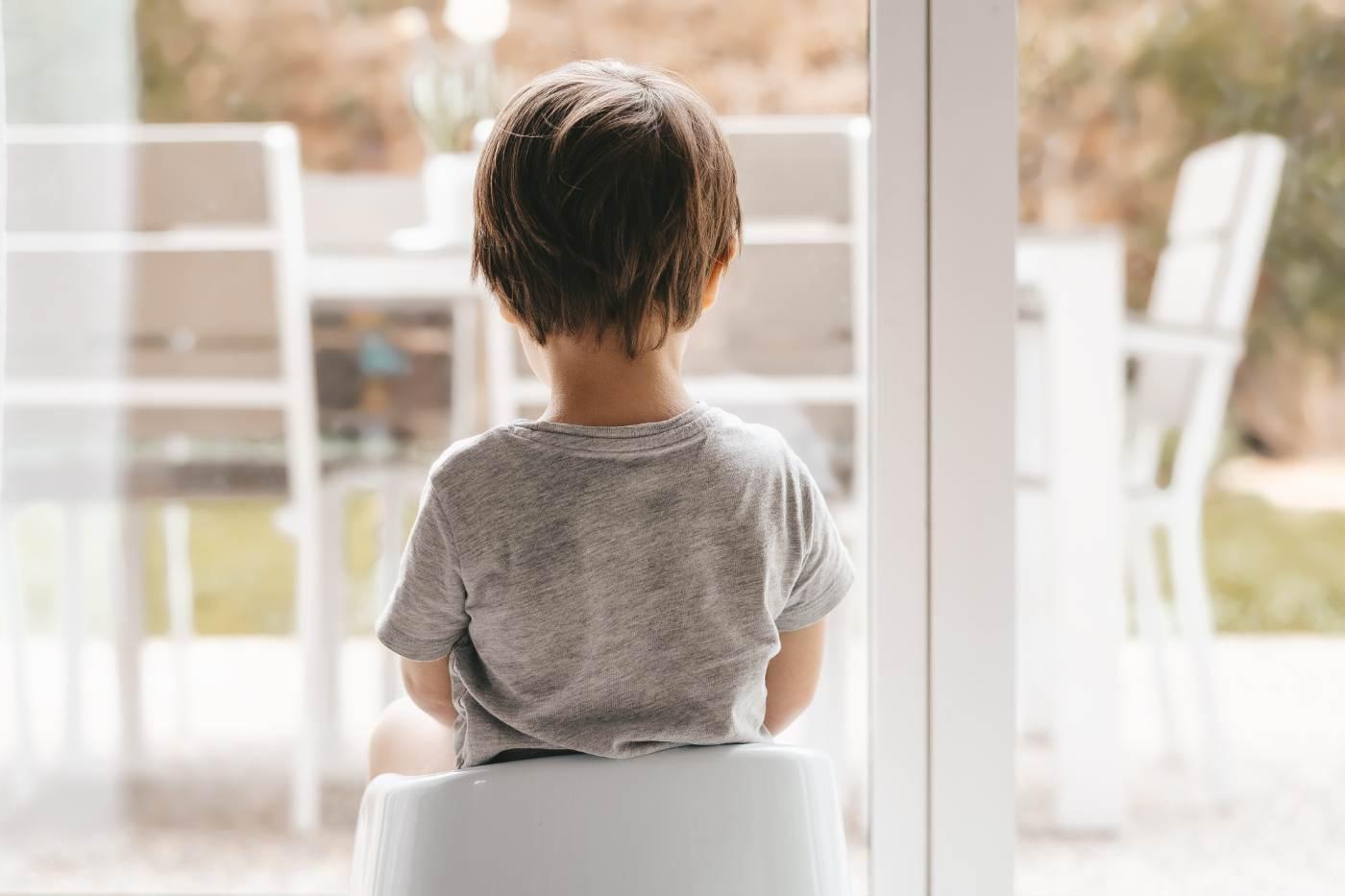
Time-outs are a take-charge discipline tactic that can help put a stop to aggressive toddler behavior, like hitting and biting. But for some parents, the idea of giving a time-out makes them nervous. Most of us feel awkward when we do something new (like the first time we fed or bathed our baby). Here are some tips to help time-out go well.
Don’t wait too long to give a time-out.
The best time to teach discipline is right when the misbehavior is happening. Don’t wait for the end of your TV show. Delaying the time-out even five minutes only weakens your message and encourages your tot to push the limits even harder.
Start with mini time-outs.
The first few times you use this approach just move your child to the next room. Imagine your child is hitting the window with a toy. Say, “No! No! Windows are not for hitting. Give me the toy.” If they refuse, count: “One . . . two . . . three . . .” If they still refuse, quietly take their hand and lead them to another room. Then say, “No hitting windows!” and walk away—with the door wide open.
Don’t worry about making your tyke stay put. You just want them to see that ignoring you will lead to a moment of isolation for them. However, if they go right back to banging the window, calmly count to three and do a regular time-out.
Pick your time-out place ahead of time.
A chair or bottom step may work with some tots. But young ones, and feisty toddlers of all ages, usually need to be confined—in a playpen if they are under age 2, or gated into their bedroom if they are over age 2. Of course, you must make sure there are no breakables, hard surfaces, or sharp corners in the time-out place.
Some parents choose to sit their toddlers on their laps and hold them firmly during time-out. That’s fine if it works for you. But I find that for most toddlers, especially spirited ones, this can turn the time-out into a power struggle.
Buy a timer with a loud ring to use during time-out.
Timers are great to let both you and your child know when the time-out is over. Keep it where you can get to it quickly. Introduce the timer to your tot as “Mr. Dinger” and let them hear what it sounds like. Explain that Mommy will let them out of their room when Mr. Dinger goes “ring-ring.”
Make the time-out last one minute per year of age.
A time-out for your 1-year-old would be one minute, two minutes for your 2-year-old, etc. I recommend that you always use the timer. It allows your child to hear when the time-out is over, and it also gives you a good answer when they ask to come out. (“It’s not up to me, it’s up to Mr. Dinger.”)
Don’t say much when you give a time-out.
This is super-important! Once you start counting, stay calm and neutral. The less you say, the more your child’s stressed-out brain will be able to hear. The time for your explanations and being friends again will come later . . . after time-out is over.
Don’t be emotional during time-out.
Adults who get upset when they do time-outs may make kids protest and fight even more. Our emotional reaction can accidentally backfire and make our uncivilized little friends feel “challenged to fight,” causing them to respond with primitive fury.
Don’t gloat or shame your child.
Saying, “You’re bad! You need a time-out!” makes some tots feel worthless and others burn with resentment. It can spur your child to resist your limits even more the next time.
When time-out is over, it’s over!
When the time’s up, let your child go free. I like to ask, “Are you ready to come out now?” Even if they say, “No!” I open the door, as long as they’re not still tantrumming. (“Okay, you can stay if you want, but the time-out is over.”) If they are still carrying on, acknowledge that they are very angry and that it sounds like they need some extra time-out to find their calm.
Once the fit is over and your child is free to go, don’t talk about the time-out for 30 minutes or so. Just join them in some play or give a bit of attention. It’s time to let go of your anger and allow your heart to forgive. If they’re still mad, connect with respect, but then let them be on their own. Many kids need to sulk a little after being punished.
Awhile after a time-out, express your regret for having had to do it. “Mommy knows you don’t like time-out. You were mad. I’m sorry. Next time, I hope we can play instead of you needing a time-out.” Later in the day, talk to your tot about what happened and gossip to their toys about the incident (and the lesson you want him to learn). At bedtime, reinforce the lesson by telling a fairy tale about a little bunny who misbehaved and what happened to him.
Do time-out the same way every time.
Consistency helps kids learn. Use the same tone of voice, stern face, and counting speed each time. Pretty soon, your tot will recognize exactly when you’re serious and give in before you get to three.
Remember, time-outs don’t work without time-ins.
If time-out doesn’t seem to be working, maybe it’s because you haven’t been giving your child enough time-ins. Toddlers hate unfairness even more than they hate punishment. Ignore your child too much and they’ll feel justified in defying you. On the other hand, “feeding their meter” with plenty of little time-ins and playing the boob and they’ll naturally be more cooperative. So, if your child is getting too many time-outs, they probably need more time-ins! (Just five minutes of time-in each hour can prevent many problems.)
Is time-out for toddlers cruel?
Isolating your little one in their room for two minutes is neither mean nor unfair. All the love you give him the other 23 hours and 58 minutes of the day more than makes up for this short penalty! Trust me, your child can handle two minutes alone in his bedroom—their favorite room in the house. (Of course, never use a closet, bathroom, basement, or non-childproofed space for time-out.)
Disclaimer: The information on our site is NOT medical advice for any specific person or condition. It is only meant as general information. If you have any medical questions and concerns about your child or yourself, please contact your health provider.





SHARE THIS ARTICLE
MOST LOVED
Sleepytime Sidekicks