BABY
How to Introduce Your Baby to a Cup
Kicking the bottle is yet another step closer to your baby reaching "big kid" status.

Written by
Happiest Baby Staff
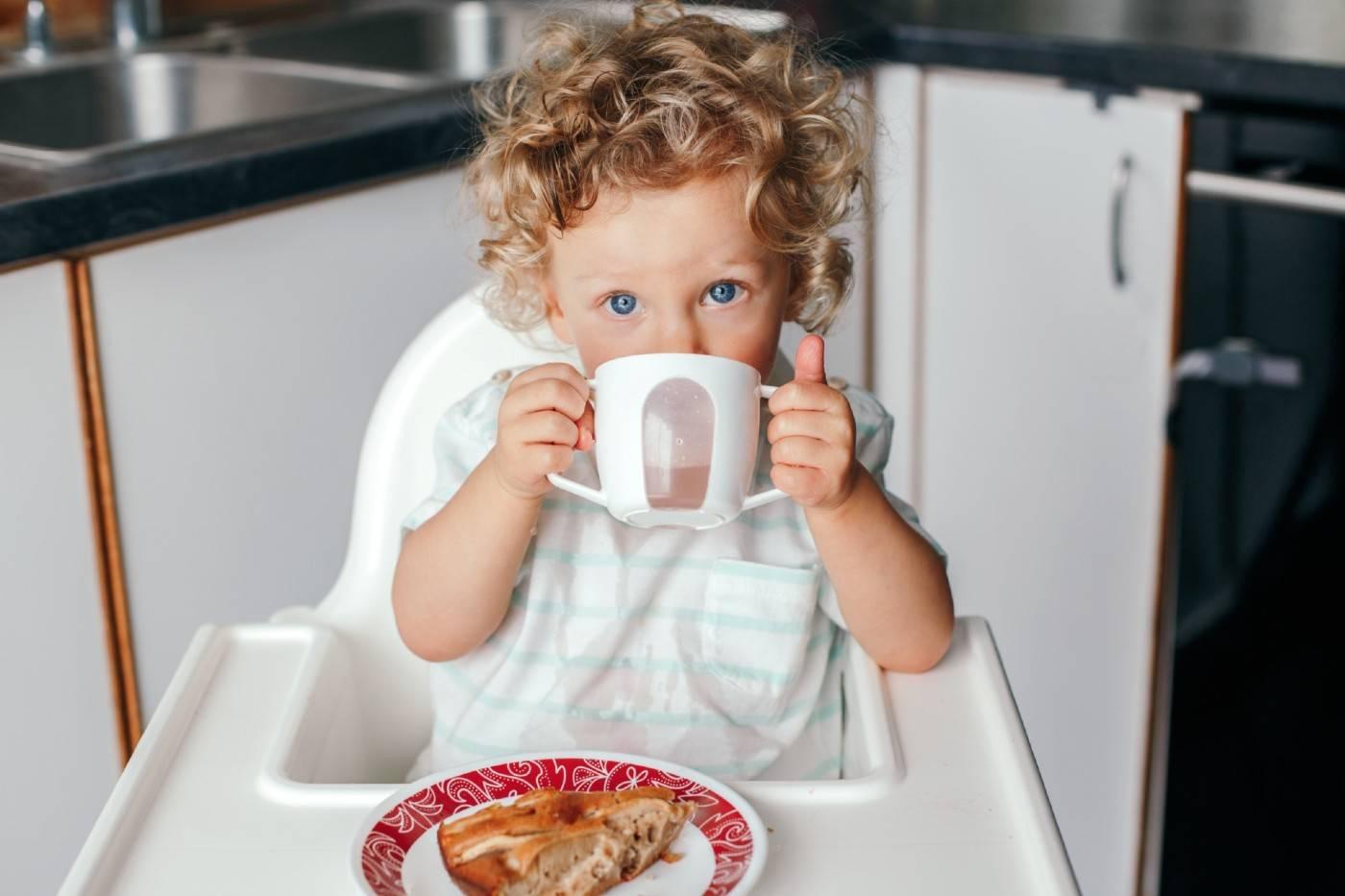
Kicking the bottle is yet another step closer to your baby reaching "big kid" status. Exciting! But when your little one has only ever known the bottle (or breast), graduating to a cup might seem like an impossible task. Fear not! The transition from bottle to cup is easier than you think…and can even be fun. More than that, it’s an important steppingstone.
Prolonged bottle use can lead to tooth decay. Both breastmilk and formula contain a type of sugar called lactose. The sucking involved with bottle-feeding makes it so that the sugar hangs out and get stuck on growing teeth and gums, which can spur decay. By switching to a sippy or open cup, your baby will rely less on sucking and reduce their risk of damaging healthy teeth. In addition, the American Academy of Pediatrics (AAP) notes that toddlers who drink from a bottle may forgo meals because they’re holding out for the bottle.
When is a child ready to drink from a cup?
If your tyke can sit up unassisted, they’re ready to give it a go! That generally occurs between 6 and 9 months. At this age, babies have strong neck muscles and can move their heads and arms independently, which are clear signs that they’re prepared to start learning. No matter which month you decide to start, bottles should be completely phased out between 12 and 24 months of age, according to AAP.
What kind of cup should you use?
It’s up to you if you’d like to start with a sippy cup or an open cup. However, the AAP does recommend switching from a sippy to an open cup (such as a two-handled cup) as soon as your child can manage it, usually before age 2. Here’s a little cheat sheet to help you decide how to begin:
Sippy cups
- Spill-proof and portable
- Still require children to suck, which puts teeth in danger of decay
- Over-use of sippy cups with hard spouts may get in the way of mature swallowing development.
Open cups
- Encourage mature swallowing
- Limit between-meal drinking
- Eliminate need to transition twice
How to introduce your baby to a cup
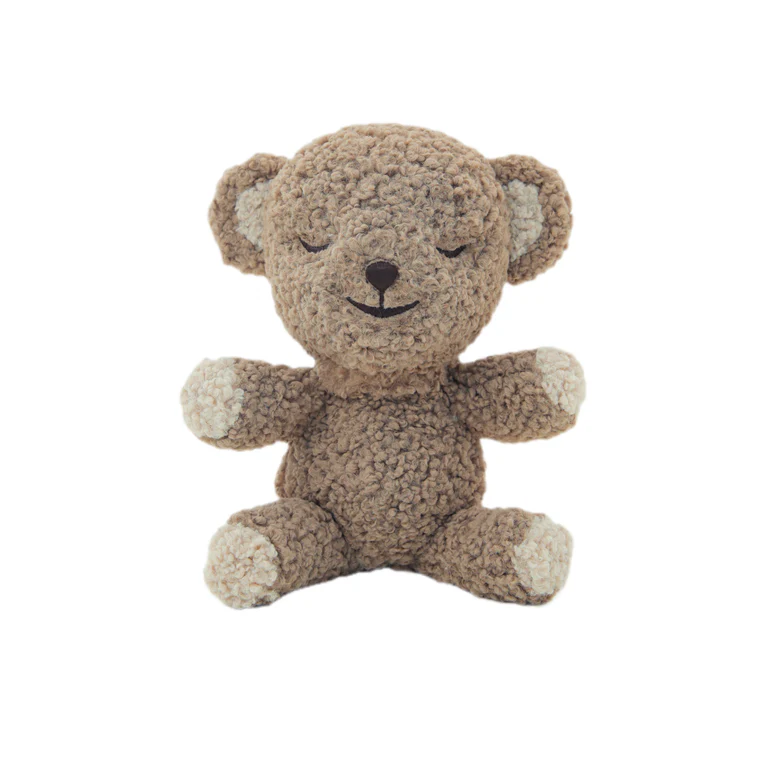
- Do a dry run. At the beginning, it’s all about familiarity and practice…and no liquids! Give your child either an empty open-top cup or an empty sippy cup to play with. Try coaching your child on how to put it to their mouth. Pretend to drink. Offer “cheers!” and talk up the excitement of soon graduating to a big-kid cup. If your child has a beloved stuffy, like SNOObear, consider getting a matching cup for Mr. Bear. Kids have big imaginations, and if they think their stuffed animal pal has a cup too, it might boost the fun factor!
- Add a splash of liquid. After some you establish some familiarity with the cup, fill it with a small amount of water, breastmilk, or formula…and serve it with solid food meals. Remember: You’re not looking to replace a bottle-feed. You are simply getting your kiddo comfortable with something new.
- Start your swap. Once your baby is comfortable with the cup, you can begin swapping a bottle for a cup…but don’t choose a major mealtime. Make the swap during a feeding time when your little one drinks just a little bit, like the midday bottle. Do this daily for one week or so. Once your sweet pea has mastered the midday bottle-to-cup transition, replace another regular bottle-feed with a cup...slowly decreasing the number of bottles your child drinks from.
What should you put into the cup?
Baby’s cup should only be filled with breastmilk or formula when swapping for a bottle...and water at mealtimes once baby is eating solids. (From 6 to 9 months, a few sips of water are just fine; from 9 to 12 months, a few ounces a day are A-okay.) Don’t introduce cow’s milk until after your sweet nugget’s first birthday. From 12 to 24 months, kiddos should consume 16 to 24 ounces (two to three 8-ounce cups) of milk daily…from a cup!
You can expect some resistance when first introducing a cup. Change can be scary to anyone…especially little kids! If your baby refuses a cup at midday—or only drinks a smidge—don’t panic. Babies will drink if they need it. A healthy child won’t make themselves dehydrated just to protest the change in feeding. For babies who are struggling with the transition, consider watering down the milk in their bottle and saving the undiluted—and more desirable version—for the cup.
With repeat offerings and exposure, your child will likely come around rather quickly and give up the bottle for good.
Disclaimer: The information on our site is NOT medical advice for any specific person or condition. It is only meant as general information. If you have any medical questions and concerns about your child or yourself, please contact your health provider.

SHARE THIS ARTICLE