BABY
What the New SIDS Study Means for Your Baby
New SIDS research is not the “breakthrough” we’ve been waiting for.

Written by
Dr. Harvey Karp

News outlets and parent groups have been abuzz about a new study touted as finally offering an explanation and possibly even a “cure” to one of the most mysterious threats to the lives of our babies: Sudden Infant Death Syndrome (SIDS). It’s understandable that such a sensational headline would grab attention. Sudden death during sleep tragically claims the lives of 3,400 U.S. babies each year—at a rate that hasn’t changed in over 20 years. Note: These deaths are listed as Sudden Unexpected Infant Death (SUID), which includes babies who die from a known cause, like suffocation, as well as those who die without a clear cause, such as from SIDS. (About 50% of SUID cases in the U.S. are categorized as SIDS, notes the CDC.)
As a pediatrician, I’ve dedicated my career to trying to save some of those innocent lives, so I would be totally thrilled if we found the SIDS cause and cure. But does this study really hold the answer?
What the SIDS Study Found
Australian researchers set out to pinpoint a biological marker that could identify at birth which infants would get SIDS. Specifically, they looked at an enzyme—called butyrylcholinesterase (BChE)—that plays a role in the brain’s breathing arousal. Researchers hypothesized that babies who succumb to SIDS may have low levels of this enzyme.
And, they were right! When researchers measured BChE levels in blood samples of 26 babies who died of SIDS, 41 who died from other causes of SUID, and 655 healthy babies, they found that BChE levels were about 25% lower among those who died from SIDS than the well-baby control group...and even lower than the levels among the other SUID victims.
While these findings are intriguing, here’s where things get a bit sticky: BChE levels in many of the babies who died from SIDS fell within the same range as babies who didn’t die—and many of the infants with low levels were perfectly fine and healthy. Oh, and we don’t actually know what a “normal” level of BChE is or what the levels were at the time of death.
Down the road (like, a really far down the road), it’s possible that a screening tool could be developed to determine which babies are low on this enzyme and may be at an elevated risk for SIDS. But since there’s no treatment for low BChE levels (yet), what would a parent do with that info, besides worry themselves sick?
Bottom line: While this is an interesting finding, the results are too mixed and uncertain to truly reveal a cause of SIDS—or even if BchE plays any role in infant death.
But this research does build on something we’ve long suspected: Some babies may die from SIDS because they have a problem with the part of their brain that fires the wake-and-breathe signal. So, if they’re in a dangerous sleep position—like on their tummy, or a blanket covers their face—they simply don’t wake up. This, of course, means that a safe sleep environment is key.
Proven Ways to Help Prevent SUID
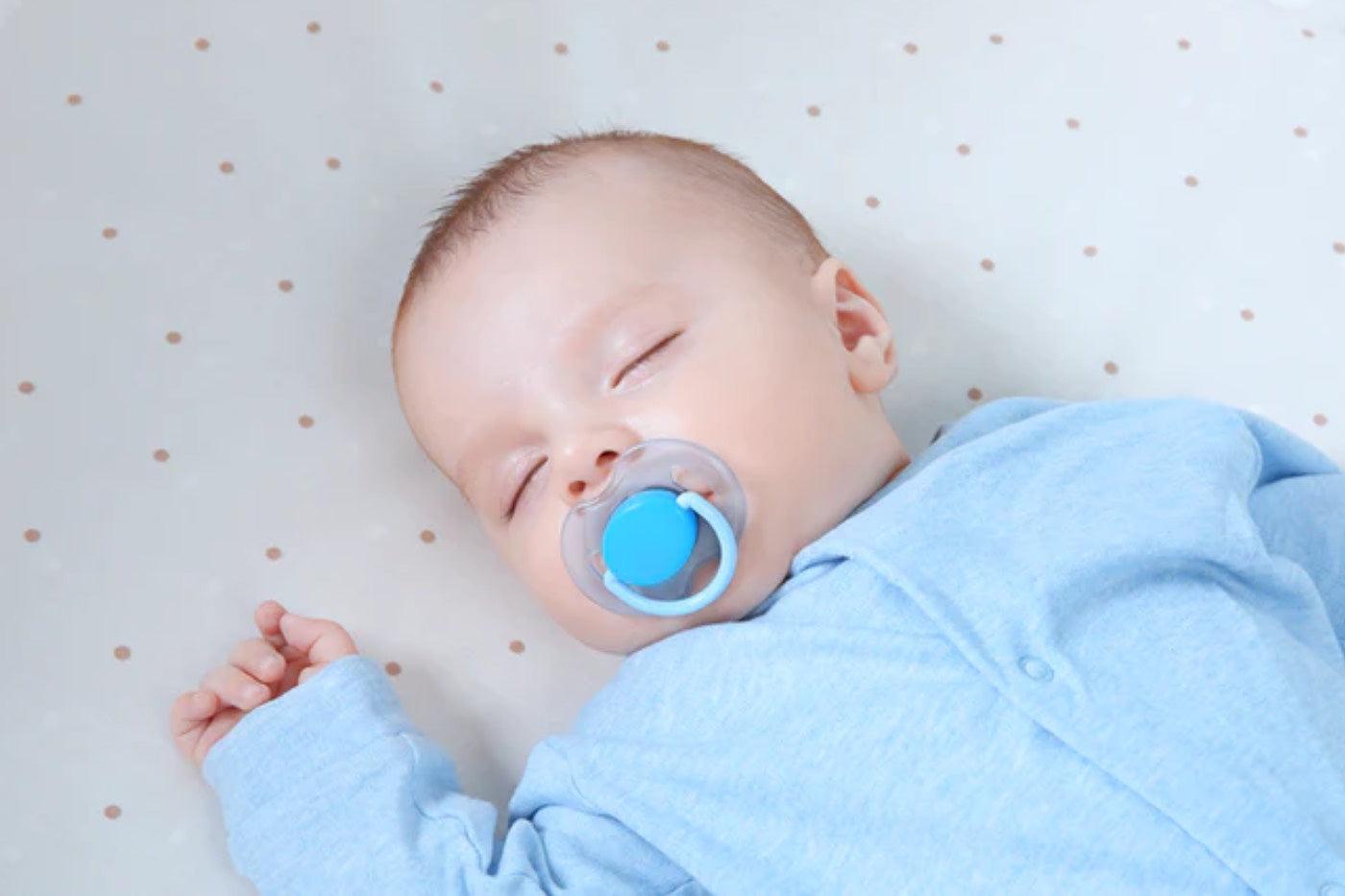
The fact remains that putting your baby to sleep on their back is still the single most effective thing you can do to lower your baby’s risk of SUID.
Tragically, almost 50% of infants who die in their sleep are discovered on their tummies. In addition to putting babies to sleep on the back, here are some other steps parents can take that are proven to help their precious one snooze safely:
- Place your baby to sleep on the back on a firm sleep surface until they’re 1 year old.
- Make sure your baby is in their own sleep space that’s free of loose bedding, bumpers, soft toys, and pillows.
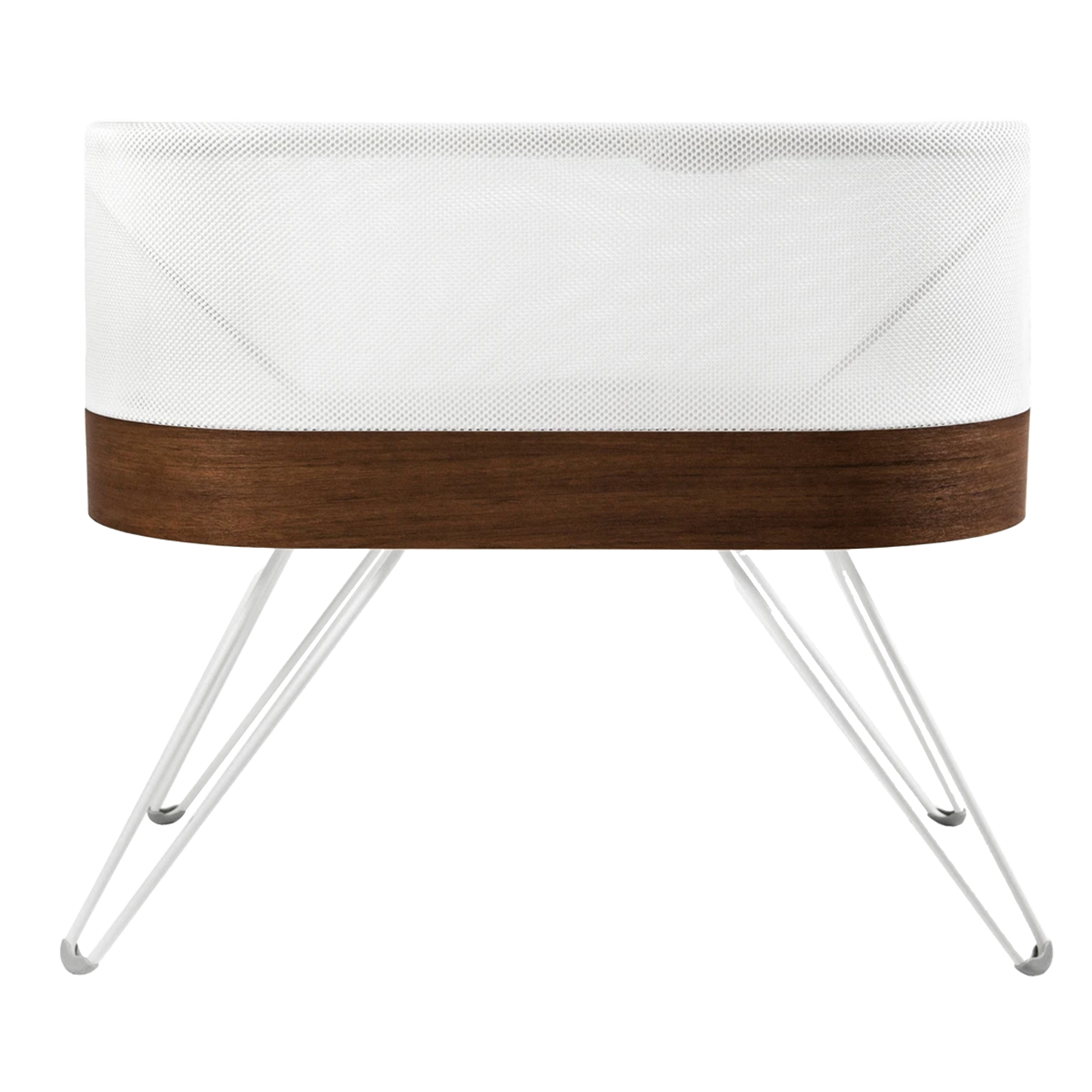
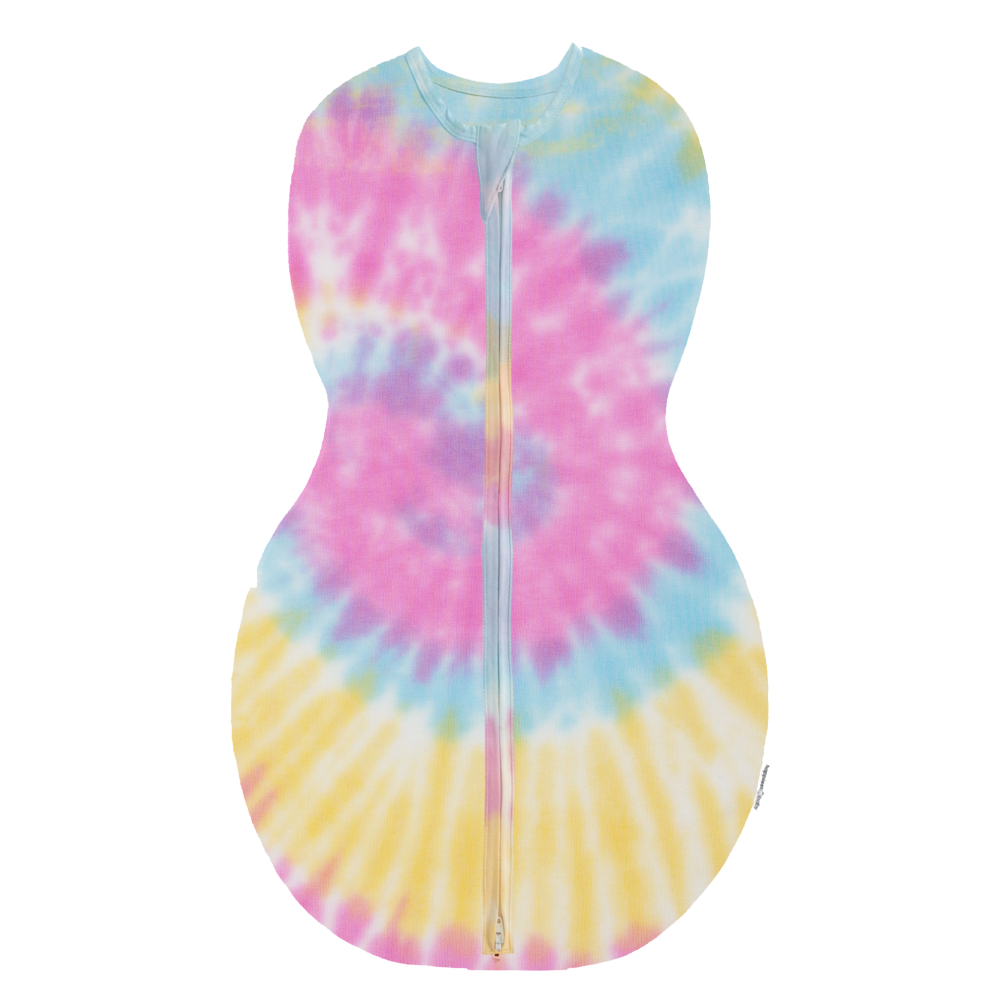
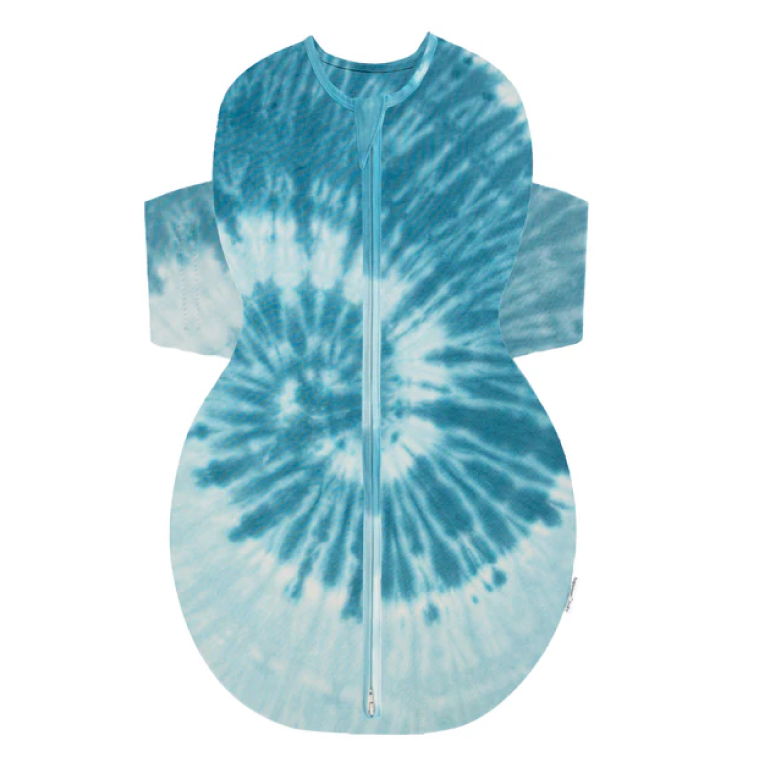
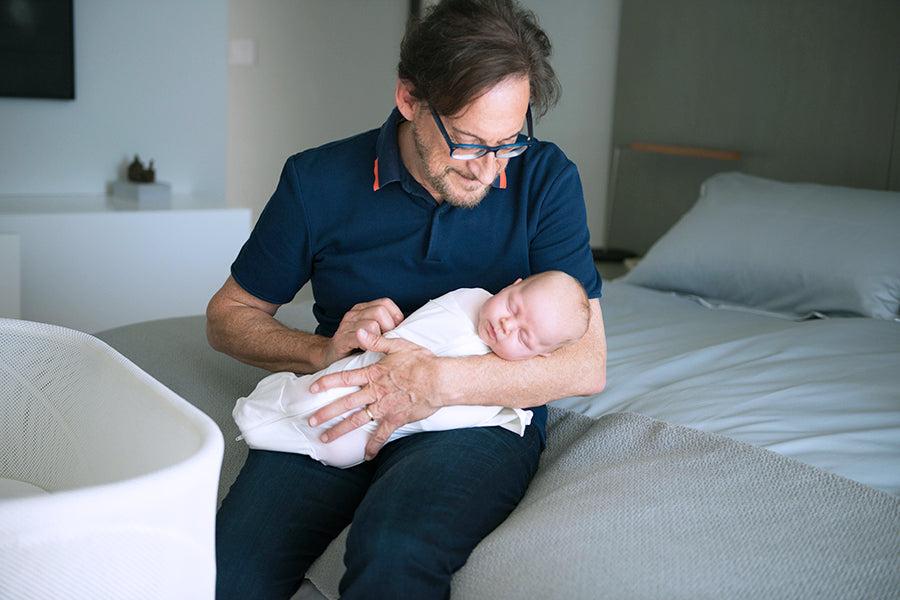
- Swaddle your baby for sleep and stop once they can roll. (Babies secured in SNOO can remain safely swaddled for 6 months.)
- Sleep in the same room as your baby for at least six months.
- Do not co-sleep or sofa-sleep with your baby.
- If your baby falls asleep in a car seat, stroller, swing, infant carrier, nursing pillow, or pillow-like lounging pad, promptly move them to their crib or bassinet.
- Offer a pacifier at bedtime. (If breastfeeding, do so after nursing is well established.)
- Avoid exposure to smoke.
- Don’t overdress your baby or turn the thermostat too high (overheating is a SIDS risk factor).
- Keep your baby up to date on their immunizations.
While the research out of Australia may be a piece of the puzzle, unfortunately, it’s not the whole picture and there is still much work ahead to unlock and resolve this tragic mystery.
Disclaimer: The information on our site is NOT medical advice for any specific person or condition. It is only meant as general information. If you have any medical questions and concerns about your child or yourself, please contact your health provider.
SHARE THIS ARTICLE