PARENTS
6 Science-Backed Ways to Feel Less Exhausted
While parenting is exhausting, there are simple tweaks you can make to your routine to help you feel more rested.

Written by
Happiest Baby Staff

Raising babies and big kids is exhausting! And it’s not just those early days that keep parents yawning and frazzled. Research shows that fatigue associated with having a newborn doesn’t decrease into the toddler years. Instead, exhaustion and fatigue remain similar for mothers with infants up to 26 months! Whether it’s middle-of-the-night wake-ups, the day-to-day grind, or the revenge bedtime procrastination (or a little bit of everything) that leaves you spent, there are science-backed ways to help you feel less exhausted. Here are just a few ways to help get your rest back on track.
Push bedtime by just one hour.
While of course going to bed an hour earlier can help you squeeze in 60 extra minutes of shut-eye, research shows that going to bed an hour earlier can also be helpful even if you wake an hour earlier too! Going to bed one hour earlier—but sleeping for the same duration—could reduce your risk of major depression by 23%, according to a 2021 report in JAMA Psychiatry. So, if you are currently hitting the hay at midnight and waking at 7, you’d go to bed at 11 and wake at 6. (The reduction jumps to about 40% when lights-out occurs 2 hours earlier.) It’s thought that this altered sleep schedule exposes you to more light during the day, which positively influences mood. Another reason to go to bed earlier: A study in American Journal of Preventive Medicine found that swapping prolonged sedentary (like staying up late watching TV) for going to bed earlier was associated with improved mood. To help get there, try gradually adopting a new sleep schedule, by making 15- or 30-minute adjustments over a series of days.
Stick to a schedule.
Just because three new episodes of your fave show dropped all at once, doesn’t mean you should watch them all back-to-back and “catch up” on sleep the next night. Having a consistent sleep (and wake) time is way better for your mood and depression risk. In fact, University of Michigan researchers found that the more variation you have in your wake and sleep time, the worse your mood—and the higher your chance of developing depression symptoms. Another schedule that can improve sleep: Your meal schedule! According to the National Sleep Foundation, eating your meals at different times each day can confuse your internal clock, making it harder to maintain regular sleep and wake schedules. Try your best to enjoy a light dinner 2 to 3 hours before bedtime every night.
Get light this way.
Your body’s internal clock is most responsive to light about one hour after your usual wake-up time, which means exposure to natural light in the morning not only helps you feel more alert, it helps you fall asleep easier at night, too. With the same mechanisms in mind, it’s equally important to avoid bright light 2 hours before bedtime to make falling asleep easier, too. That means, dim the lights, draw the curtains, and turn off all screens. (Cell phones, tablets, televisions, and more emit blue light, which slows or stops the brain from releasing melatonin, making it harder to fall asleep.)
Learn the 5 S’s if you have a newborn.
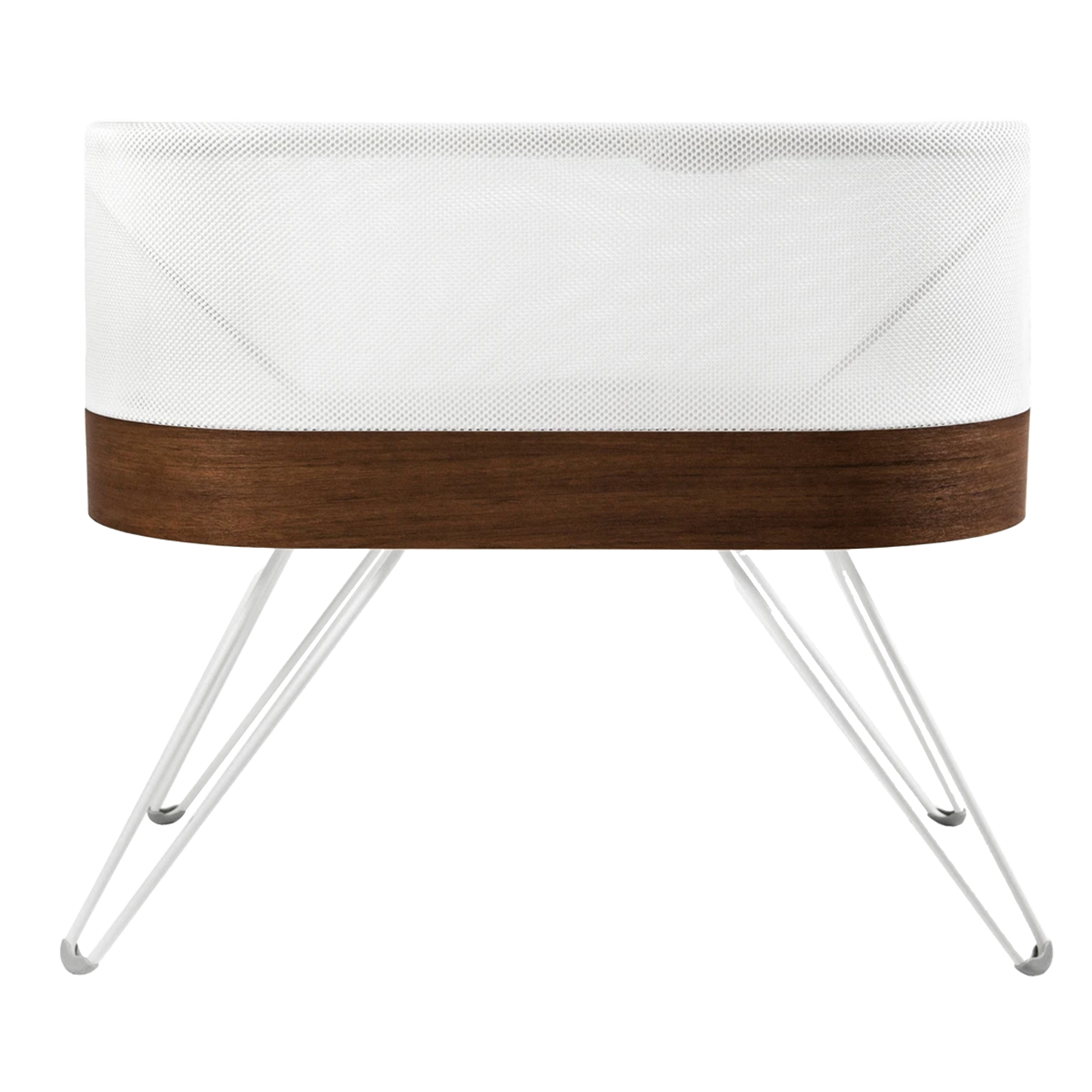
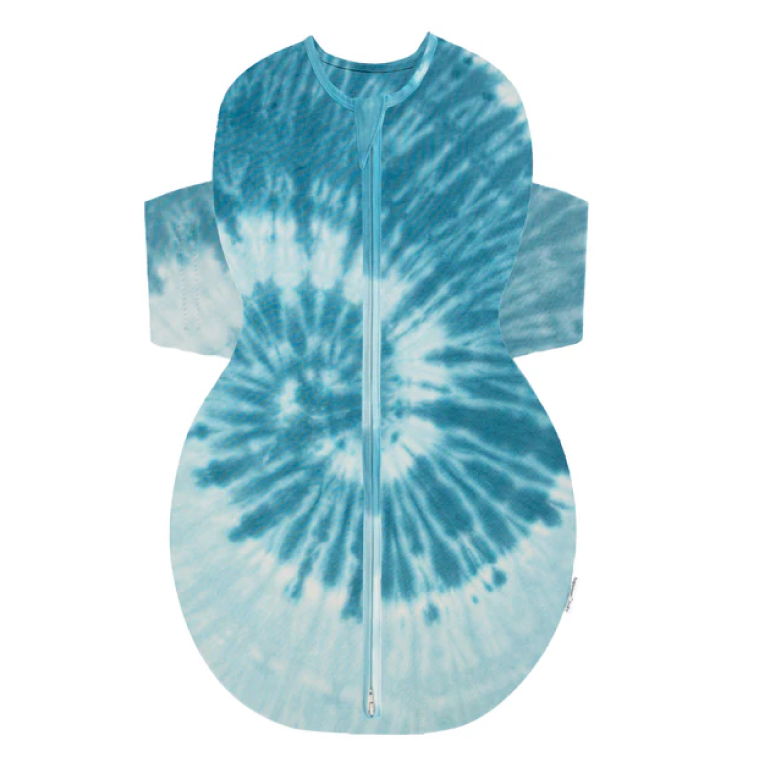
Helping your baby sleep better, means you sleep better, too! To bring on the ZZZs for young babies, research has shown that practicing Dr. Harvey Karp’s 5 S’s, including swaddling, shushing (white noise,) and swinging (gently rocking Baby) is a winner. A 2022 report found that engaging in “responsive parenting,” which includes the 5 S’s can help little ones nod off in under 15 minutes and sleep 50+ minutes longer per 24 hours than those in the control group. (Responsive parenting means you’re aware of your baby’s emotional and physical needs and consistently respond appropriately.) PS: Dr. Karp’s SNOO Smart Sleeper taps three out of the 5 S’s, adding an average of 1 hour of infant sleep each night. (Learn more about the science of the 5 S’s.)
Use white noise yourself!
You may already know that white noise works wonders at helping babies and toddlers get to sleep—and stay asleep. In fact, research shows that white noise can help 80% of babies fall asleep in just 5 minutes! But did you know that white noise has been proven to help adults sleep, too? A report in Frontiers in Neurology found that adults with insomnia who listened to white noise fell asleep 38% faster than those who didn’t tune in. Plus, a 2021 study indicated that white noise “significantly improved” sleep of those who live in high-noise cities. (Who says you can’t put our SNOObie sound machine in your room?!)
Consider CBT for insomnia.
Cognitive behavioral therapy for insomnia (CBT-I) with a trained pro helps to establish healthy sleep habits, change unhelpful thoughts about sleep, connect the dots between thoughts, feelings, behaviors, and sleep, and more. Six to eight sessions later as many as 70% to 80% of folks with insomnia experience improvements with CBT-I. Tap the Society of Behavioral Sleep Medicine and the American Board of Sleep Medicine to find a CBT-I provider near you.
You May Also Be Interested In…
- Sleep: The Ultimate Brain Boost for Parents
- 9 Ways to Fall Asleep Faster
- Mental Health Resources for New Parents
- How to Build Better Family Routines With SNOObie
***
REFERENCES
- The Relationship between Fatigue in Mothers and the Age of Their Less-Than-24-Month-Old Newborns. International Journal of Environmental Research and Public Health. June 2021
- Sleep Foundation: What Is “Revenge Bedtime Procrastination”?
- Genetically Proxied Diurnal Preference, Sleep Timing, and Risk of Major Depressive Disorder. JAMA Psychiatry. May 2021
- Current and 1-Year Psychological and Physical Effects of Replacing Sedentary Time With Time in Other Behaviors. American Journal of Preventive Medicine. May 2020
- Sleep Foundation: How to Fix Your Sleep Schedule
- Day-to-day variability in sleep parameters and depression risk: a prospective cohort study of training physicians. npj Digital Medicine. February 2021
- Centers for Disease Control and Prevention (CDC): Effects of Light on Circadian Rhythms
- National Sleep Foundation: Screen Use Disrupts Precious Sleep Time
- Effect of the INSIGHT Firstborn Parenting Intervention on Secondborn Sleep. June 2022
- White noise and sleep induction. Archives of Disease in Childhood. January 1990
- Broadband Sound Administration Improves Sleep Onset Latency in Healthy Subjects in a Model of Transient Insomnia. Frontiers in Neurology. December 2017
- The effects of white noise on sleep and duration in individuals living in a high noise environment in New York City. Sleep Medicine. July 2021
- Sleep Foundation: Cognitive Behavioral Therapy for Insomnia (CBT-I)
Disclaimer: The information on our site is NOT medical advice for any specific person or condition. It is only meant as general information. If you have any medical questions and concerns about your child or yourself, please contact your health provider.
SHARE THIS ARTICLE