BABY
RSV in Babies—Everything You Need to Know
Sometimes making sense of your kiddo’s health can feel a little like wading through alphabet soup.

Written by
Dr. Harvey Karp
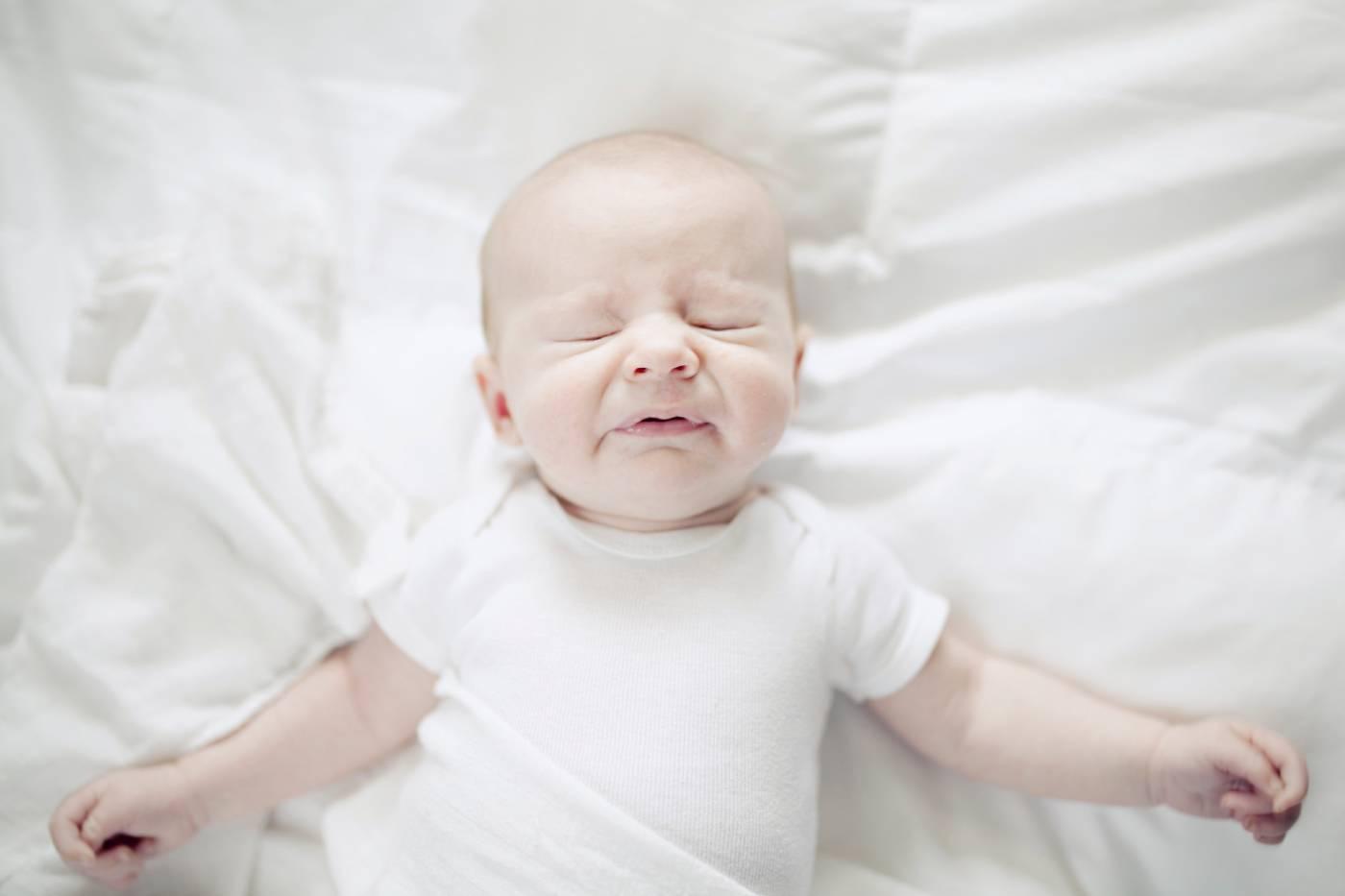
Sometimes making sense of your kiddo’s health can feel a little like wading through alphabet soup. One of the many acronyms you might have come across while parenting your lovebug is RSV.
What is RSV in babies?
RSV—or respiratory syncytial virus—causes an upper respiratory infection. It usually shows up as a mild cold and lasts for five to seven days. However, it can also cause a more serious lung infection called pneumonia or bronchiolitis which affects the teeny-tiny airways in the lungs.
What causes RSV in newborns?
RSV is pretty common (most children have had an RSV infection by their 2nd birthday). It’s usually no biggie for toddlers and older, but RSV can be a frightening infection for infants. It results in about 58,000 hospitalizations of babies every year, in the U.S.
Typically RSV strikes in late fall through early spring. Unfortunately, we’re currently experiencing a big off-season spike in RSV cases. It looks like all the measures we took to protect ourselves from COVID—masking, distancing, etc—were also keeping RSV pathogens at bay. And now, as communities have begun relaxing their COVID restrictions and people have been venturing out in the world, all sorts of germs are on the move again, including RSV.
How do I know if my baby has RSV?
It can be tricky to pin down if your baby has RSV because RSV symptoms sometimes look like the common cold. A baby with RSV might sneeze a lot or have a snotty, runny nose and/or fever. And they may be more fussy than normal or stop eating well.
RSV symptoms in babies:
Things start going downhill when RSV causes labored breathing. Here are the warning signs to look for:
- Fast breathing, over 40 times a minute
- A long exhale sound (usually exhaling is pretty fast, in RSV it is longer than the inhale sound)
- Flaring of your baby’s nostrils with every breath
- A persistent cough
- Wheezing (a whistling sound each time your baby breathes out)
- Difficulty breathing. This can look like wheezing, coughing, or fast breathing. Your child may have blue or gray-tinged skin.
- Unhappy (Not eating or drinking, irritable, not sleeping well, etc)
Difference Between a Cold and RSV in Babies
A lot of times, RSV looks a lot like a cold—with both of these illnesses your baby might cough and sneeze, have a runny nose, or even run a fever. The symptoms that can tip you off that it’s RSV are the ones mentioned above, such as fast breathing, difficulty breathing, wheezing, and flaring of nostrils with each breath. To be sure, you can have your baby tested for RSV at your doctor’s office.
When should I see a doctor about RSV?
For some babies, RSV can get worse very fast. Premature babies, babies under 6 months, and those with certain medical conditions tend to be most vulnerable (this can include babies with immune system conditions, neuromuscular disorders, and children under 2 years who have heart or lung conditions). That’s why it’s important to call your pediatrician if your little one’s symptoms worsen or don’t improve after 7 days and/or they experience…
- Fever
- Wheezing
- Flared nostrils
- Fast breathing
- Belly breathing, tugging between the ribs and/or the lower neck
- Grunting, pausing, and/or other difficulty breathing
- Chest pain
- Ear pain
- Gray or blue skin, lips, or tongue
- Fewer than one wet diaper in 8 hours
- Significantly decreased activity and alertness
How long does RSV last?
After your baby comes in contact with someone with RSV, it may take two to eight days for symptoms to pop up. RSV can hang around for up to two weeks, with your baby being contagious for three to eight days. But if your baby's immune system is weak, they are at risk for spreading the virus for up to four weeks, even if they don’t show symptoms!
Unfortunately, RSV creates an irritation deep in the lungs that can take long time to fully heal. That’s why babies often get very chesty coughs and colds many months after a bout of RSV.
How is RSV treated?
For less severe RSV illnesses, treatment can usually be done at home. No antibiotics are needed because they simply don’t work on RSV (remember, it’s a virus, not a bacteria). But you can give acetaminophen or ibuprofen for fever. It’s always a good idea to give a call to your provider to figure out the best dosage.
For congestion, you can elevate the head of the bed (just one to two inches), use a cool-mist humidifier, and saline nasal drops (or drops of fresh breast milk) to help them breathe easier. Make sure your baby gets plenty of fluids, to avoid dehydration.
It doesn’t happen often, but sometimes RSV causes so much difficulty breathing that infants need to be hospitalized. Some need oxygen and a very few even need the help of a ventilator. Most go home in just a few days.
Fortunately, for many babies RSV is little more than a case of the sniffles. But if it hits harder, it’s important to stay one step ahead and call your provider with any signs of worsening breathing and acting ill. With RSV, it's better to be safe than sorry!
More on common childhood illnesses:
- Enterovirus Explainer: What Parents Need to Know
- Dr. Harvey Karp's Guide: Cold, Flu, or COVID?
- The Importance of the Flu Shot for Babies...and You!
- The Truth About Baby Cold Medicine
Disclaimer: The information on our site is NOT medical advice for any specific person or condition. It is only meant as general information. If you have any medical questions and concerns about your child or yourself, please contact your health provider.

SHARE THIS ARTICLE
MOST LOVED
Sleepytime Sidekicks