BABY
How to Sleep Train a 6-Month-Old
Is it time to sleep train your baby? Learn everything you need to know about how to sleep train your 6-month-old.

Written by
Happiest Baby Staff

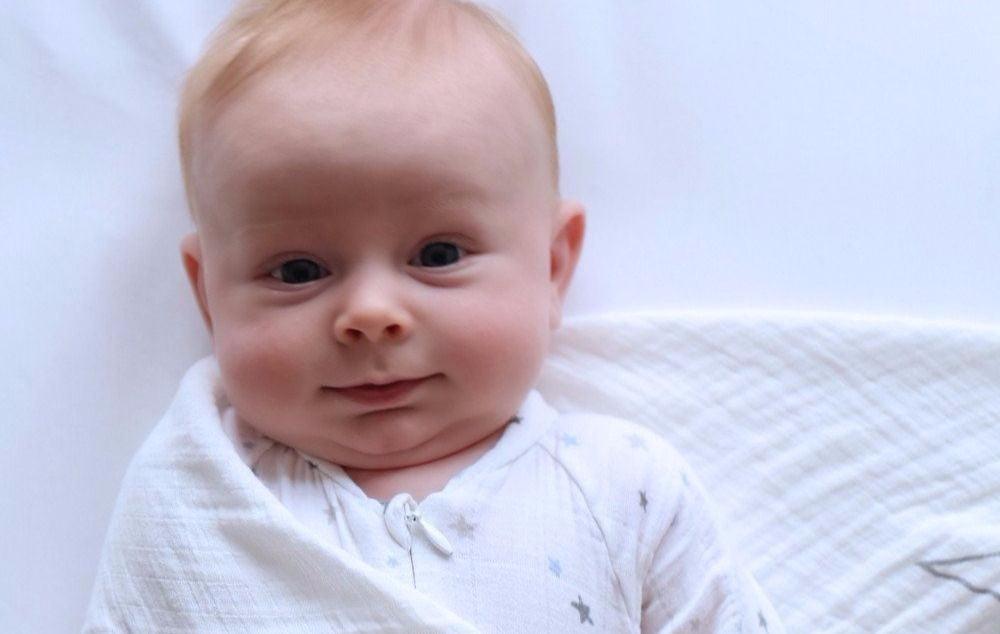
So much has changed since you brought your sweet newborn home from the hospital! At 6 months old, your little one is now a giggling and babbling baby who can likely sit unassisted and gobble up solid foods! You may even be considering relocating your love bug to their nursery…especially since their sleep stretches have gotten longer and longer. But even with the better sleep that usually accompanies a baby’s half birthday, many 6-month-olds still aren’t sleeping through the night, which leaves many parents wondering, “Is 6 months old a good time to start sleep training?” For the answer to that question—and many more about sleep training your 6-month-old—keep reading!
Is 6 months a good time to start sleep training?
While no two babies are the same, most are developmentally ready for sleep training between 4 and 6 months old. At 6 months old, your baby’s natural circadian rhythms are set, their sleep cycles are maturing, and most babies no longer need to eat overnight. Plus, at 6 months old, babies are officially out of the fourth trimester, so they no longer instinctively crave rocking and swaddling all night long for slumber.
Can you sleep train a 6-month-old?
Yes, it’s 100% possible to sleep train a 6-month-old! But before you set off on a sleep-training journey, you’ll need to have realistic expectations—for your baby and yourself! After all, your 6-month-old’s version of “sleeping through the night” may be very different from yours!
How often do 6-month-olds wake at night?
While many 6-month-olds can sleep for 6 to 10 hours a night with no wakeups, that’s not the case for every baby. In fact, research shows that up to about 38% of 6-month-olds aren’t sleeping for 6 consecutive hours at night…and 57% aren’t clocking 8 hours.
How long does it take to sleep train a 6-month-old?
Most sleep training tactics take about a week or so to stick. But sleep training is not an exact science, which means it can take longer depending on which sleep training method you rely on, your consistency with the plan, and your little one’s personal needs and temperament. Regardless, if you’ve been trying to sleep train your 6-month-old for two weeks with limited to no success, it’s wise to take a break from sleep training and examine why your 6-month-old may be resisting sleep training.
Is there any reason to not start sleep training my 6-month-old?
Yes! It’s always best to avoid sleep training your baby during a time of sickness, chaos, and/or transition. For a better chance at sleep-training success, postpone sleep-training your 6-month-old if…
- Your baby is actively teething.
- Your baby is sick.
- It’s daylight saving.
- Your baby has an unpredictable bedtime.
- There’s been a change in caregivers.
- Your baby is transitioning to a crib.
- Your baby is transitioning to their own room.
How do I sleep train my 6-month-old?
While there are several methods for sleep training a 6-month-old, pediatrician Dr. Harvey Karp, bestselling author of The Happiest Baby on the Block, encourages parents to start with a gentle sleep training approach called the wake-and-sleep method. Here, you literally wake your snoozing baby to sleep train them! While this seems completely counterintuitive, Dr. Karp assures that gently waking your 6-month-old—then allowing them, in their still drowsy state, to fall back asleep on their own—teaches your baby that they have the power to soothe themselves—and snooze through the night. Here’s how to use the wake-and-sleep method with your 6-month-old:
- Step 1: Turn on rough and rumbly white noise, making it as loud as a shower. When white noise is used for every nap and night sleep, your baby will start to expect it and make the connection that white noise means ZZZs are near. (It’s very Pavlovian!) At the same time, white noise also helps to block potentially sleep-disturbing sounds, like honking horns.
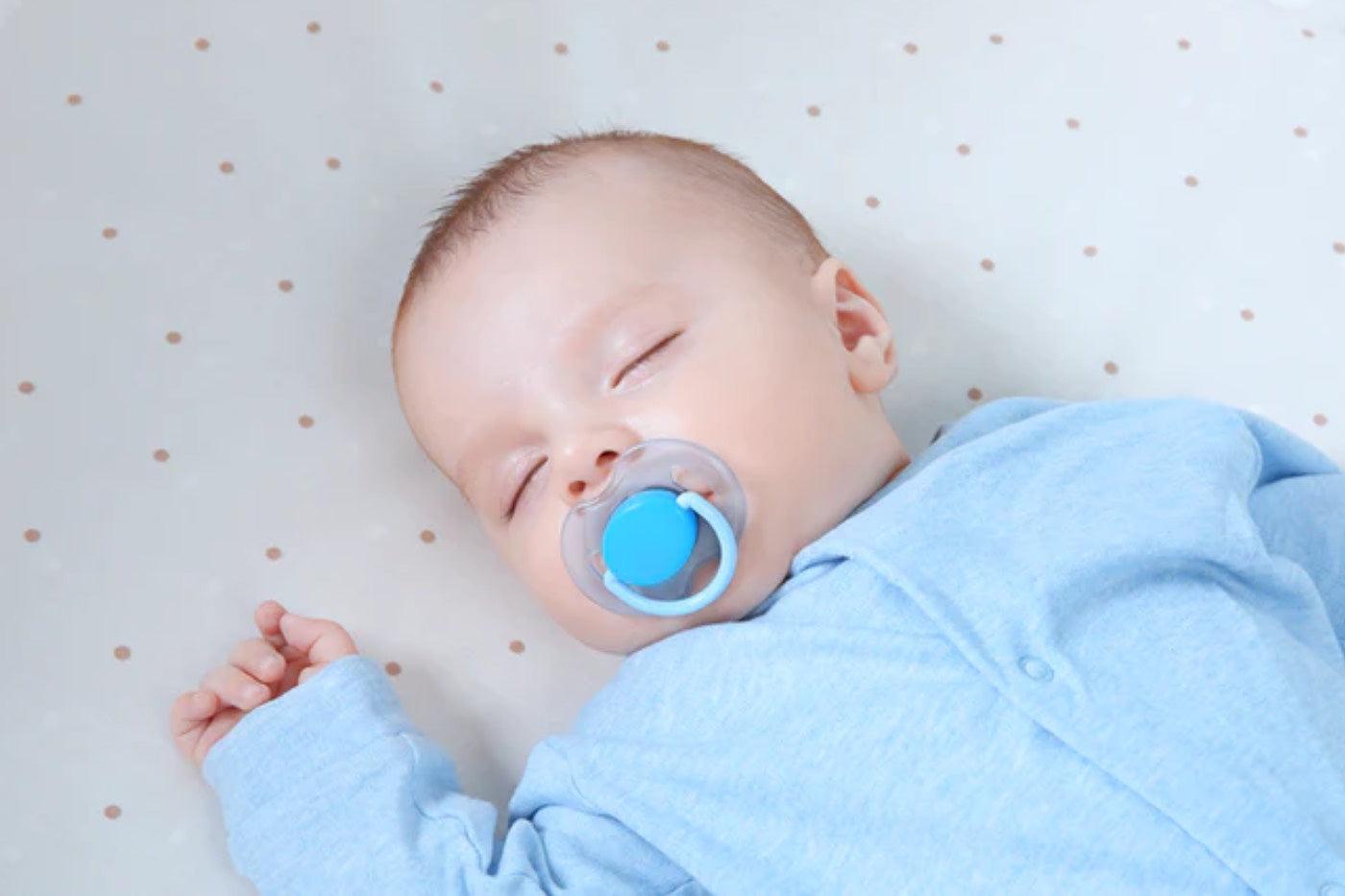
- Step 2: Feed and burp your baby, then offer a pacifier, which is a proven baby-calmer.
- Step 3: Allow your baby to fall asleep in your arms, then lay them in their bassinet or crib, safely on their back.
- Step 4: Gently rouse your sleeping baby by softly tickling their neck or feet until their eyes barely open.
- Step 5: As long as your baby has a full tummy and is listening to white noise, they should close their eyes and drift back to sleep after a few seconds.
If your 6-month-old doesn’t quickly doze off, turn up the white noise a little louder and jiggle the bassinet or crib for a few seconds to help sleep come. But if your little one’s crying persists, pick them up and offer a cuddle or feed to soothe them—then start the wake-and-sleep approach all over again.
Other Sleep Training Methods for a 6-Month-Old
While the wake-and-sleep method is a favorite gentle sleep training strategy, there are several sleep training techniques to choose from. Sometimes parents use these sleep training methods on their own and sometimes they’re used in combination.
- “Pick-Up, Put Down.” Do your whole white noise/feed/burp/diaper bedtime routine before placing your little one in their crib awake. If your 6-month-old fusses or cries, go ahead and gently pat their tummy, offer soft shushes, or pick them up to help them calm down. Soothe them just enough so they settle, then promptly return them to the crib and get out of their room. Repeat this loving-but-brief routine each time your baby cries. (This is sometimes called the “shush, pat” sleep training method.)
- “The Chair.” Put your drowsy but awake, fed, freshly burped, and changed baby into their crib with the rumbly white noise already on…and stay there! With “The Chair” sleep training method, you sit next to the crib until your baby falls asleep. Then, if your baby cries, you return, sit, and wait. You’re not supposed to pick your baby up, but you can offer gentle verbal reassurances. Every few nights, gradually move your chair further away from the crib and closer to the door, until you finally leave the room.
- Ferber Method. Also known as “graduated extinction” or the check-and-console method, the Ferber sleep training method shares DNA with the “ cry it out ” method (more on that in a moment), but with more baby steps toward your goal. Here, go through your usual nighttime routine with your bub before placing them in the crib awake. Leave the room. If your baby cries, return to check on them at specific, graduated intervals. For example, when your baby cries, you first return in 3 minutes to shush your baby, but don’t pick them up, then promptly leave. If your baby is still crying, return after 5 minutes with the time between each check-in getting longer. Then, on your second night of sleep training, you may start with a 5-minute interval for the first check-in, and then wait 10 minutes before the second. The goal is that they will soon settle without your intervention.
- “Cry it out.” This is also called “extinction method.” The term “cry it out” sometimes gets used interchangeably with the Ferber Method, described above. Though Ferber does involve letting your baby cry, the difference between Ferber and true “cry it out” is that Ferber involves regular check ins. With a “textbook” approach to “cry it out”, you let your baby cry and fuss without intervention, the idea being that they’ll eventually self-soothe. This method is understandably very difficult for many parents, so it’s often used as a last resort, with caregivers opting for the more gradual Ferber approach or another gentle sleep training method instead. To use the “cry it out” method, you’d offer a sweet “I love you,” following your bedtime routine, then exit the room to let your baby settle on their own.
Why isn’t sleep training working for my 6-month-old?
Being in the middle of an unpredictable or transitional period—or feeling ill—can easily derail your sleep-training efforts…but there may be other issues stealthy sabotaging your baby’s sleep. Here are a few factors that may contribute to your 6-month-old’s sleep-training resistance:
- You don’t have a predictable bedtime routine. Providing predictable sleepytime cues that don’t involve your presence (like playing rumbly white noise) can help your baby learn to self-soothe.
- Your baby is in the habit of eating overnight. By 6 months old, most babies are not waking up due to hunger, but habit. If your baby is bottle-fed, try slowly decreasing how many ounces you offer overnight. If you’re breastfeeding, shorten the duration of nighttime feeds and/or just offer milk from one breast.
- Your baby is used to falling asleep in your arms. If your 6-month-old falls asleep out of their sleep space, but then wakes in the crib, it can be jarring! That means, a light wake up can quickly escalate into a panicked wake up, especially if your baby hasn’t learned self-soothing. Learn what to do if your baby won’t sleep unless held.
- Your baby’s nap schedule needs tweaking. If your baby’s taking two naps a day and is fussy in the early evening, consider adding a third 45-minute catnap into their schedule, starting about three hours before lights out. On the flipside, long naps can also contribute to sleep-training struggles. If your baby’s a marathon napper but protests night-night, consider capping naps at 2 hours. (Find out more about “nap fails.”)
- Your baby’s bedtime is too early. If your little one fights sleep for up to 60 minutes, their bedtime might be off. Bedtime may be too early if your bub shows no sign of fatigue at bedtime and/or wakes in the middle of the night—or very early the next day—raring to go. If that sounds familiar, push their routine 15 minutes later every two to three nights to find the right later bedtime.
- Your baby’s bedtime is too late. Bedtime may be too late if your baby takes extra-long naps, easily falls asleep on car or stroller rides, is moody and irritable, and/or fights falling asleep despite showing clear signs of being tired (rubbing eyes, blinking, yawning). To help, push your baby’s routine 15 minutes earlier every two to three nights to land on the best bedtime.
What time should a 6-month-old go to bed?
Babies between 4 and 8 months old generally go to bed between 7 and 9pm and wake up between 6 and 8am. The average 6-month-old sleeps for a total of 12 to 16 hours each 24-hour period, with 3 to 5 hours being naps and 6 to 10 hours occurring at night.
Getting Your 6-Month-Old to Go to Bed on Their Own
All babies, including your 6-month-old, thrive on calming, predictable routines. Establishing and following a soothing bedtime routine will undoubtedly help your baby learn positive sleep habits and how to sleep on their own. Your 6-month-old’s bedtime routine should look something like this:
- Dim the lights. Close the blinds and dim the lights in your home about 60 minutes before night-night. This signals to your baby that sleepytime is coming soon.
- Turn on white noise. About 30 minutes before bedtime, start playing rough and rumbly white noise, which has shown to help 80% of infants fall asleep in just 5 minutes.
- Offer a pacifier. Sucking on a binky helps to lower a baby’s heart rate, blood pressure, and stress levels—all of which can help your little one sleep.
- Use your baby’s go-to soothers. Does your little melt into calm during an infant massage or a bath? Perhaps there’s a book or lullaby that sets the beddy-bye tone. No matter what your baby’s favorite relaxing activity is, be sure to incorporate it into your baby’s bedtime routine.
Do I need to worry about sleep regression for my 6-month-old?
Any time your baby goes through a growth spurt there’s a chance of sleep regression—including the growth spurt babies experience at 6 months old. Right now, your baby is so much more aware of their surroundings, not only are they more sensitive to sleep disturbances, they can develop a case of middle-of-the-night FOMO, which translates into them wanting to hang out late into the night or early in the morning! Plus, because your 6-month-old is learning so many new skills—like sitting up—they may be tempted to practice all night long. The good news is, the 6-month sleep regression usually resolves within a few days or weeks, especially if you’re engaging in healthy sleep practices, like using white noise.
Products That Can Help With Sleep Training a 6-Month-Old
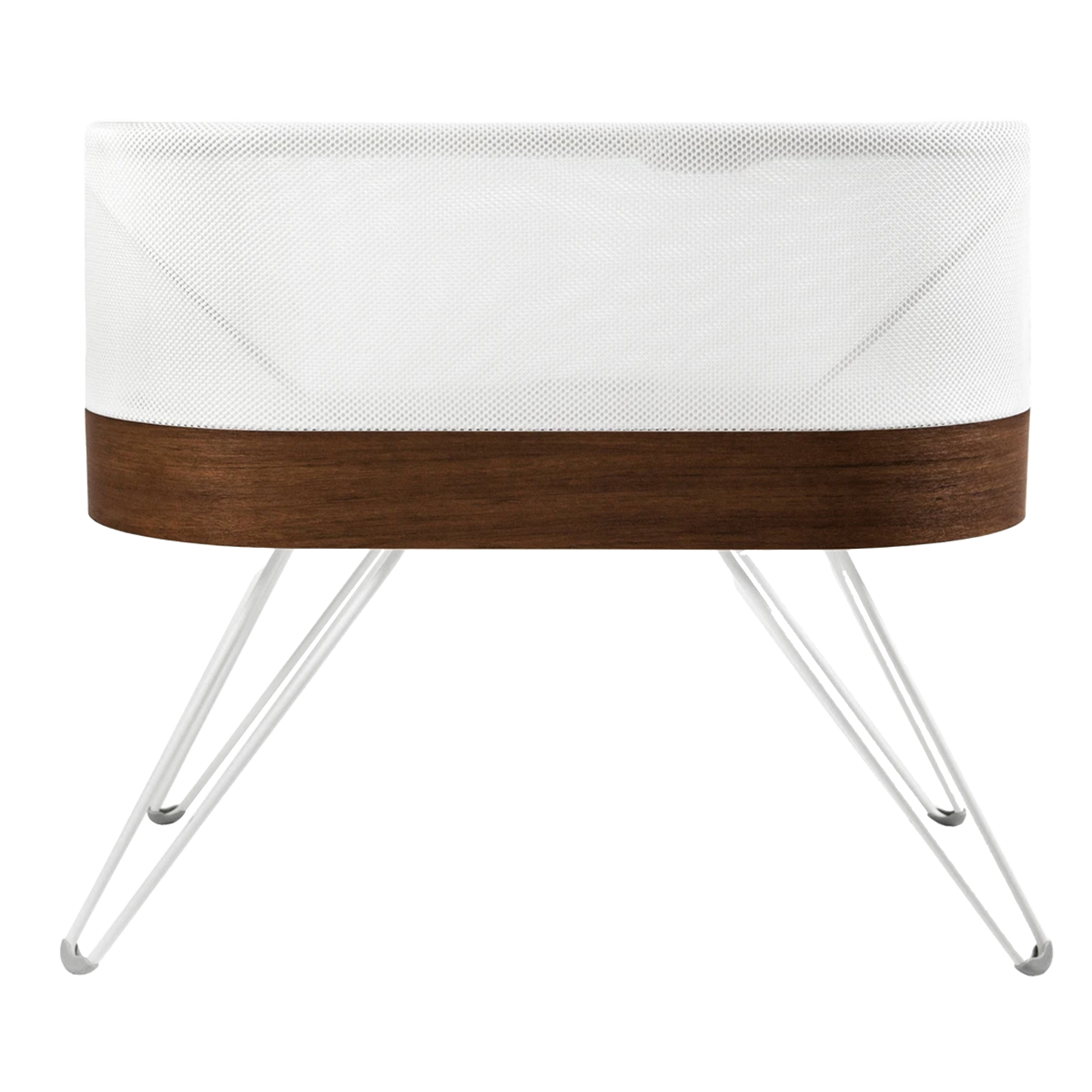
All 6-month-old babies need a safe sleep space and a full belly to help them get to sleep—and stay asleep. Also, imperative? Babies need to feel secure and confident in their ability to self-soothe. Your loving presence, snuggles, and calming voice, of course, help your baby feel secure. You know what else does? These sleepytime helpers:
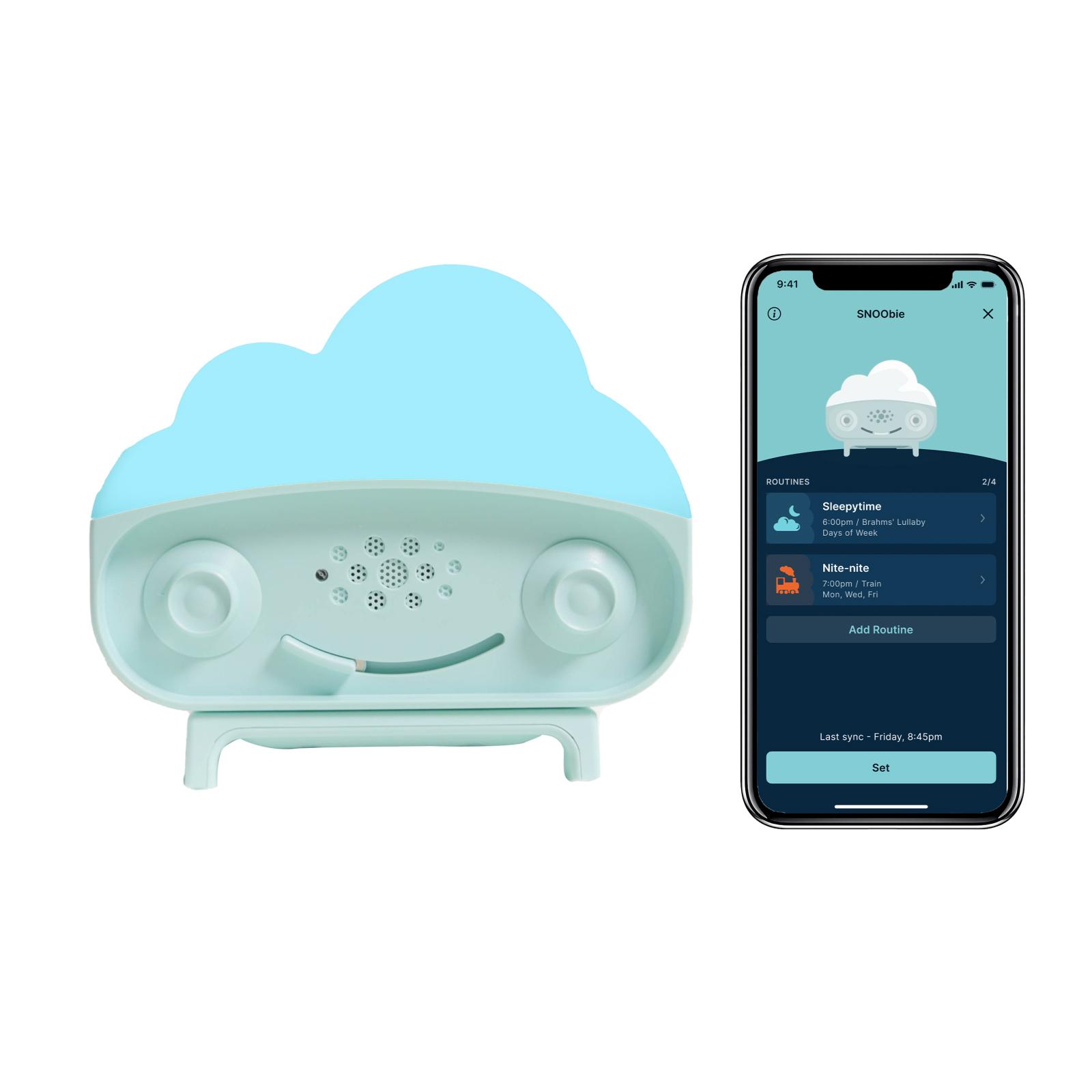
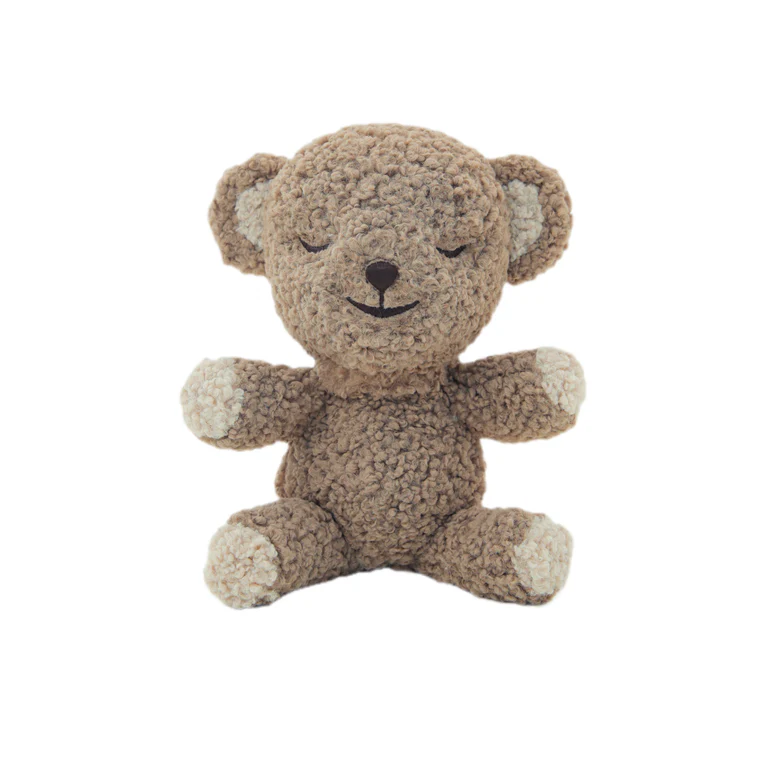
- White Noise Machine: Incorporating white noise into your baby’s bedtime routine means they’ll soon develop a kind of muscle memory to o the calming sounds. That means every time they hear white noise, they instinctively know that sleepytime is near. Plus, white noise creates a blanket of sound that helps to muffle outside disturbances that 6-month-olds are especially attune to. Both SNOObear and SNOObie white noise machines play pediatrician-approved white noise, designed especially for baby sleep.
- Sleep Sack: Once your baby graduates from the cozy embrace of the baby swaddle and/or SNOO, transfer them into a safe sleep sack or a transitional swaddle, like the award-winning Sleepea 5-Second Swaddle, which was voted Best Transitional Swaddle by Good Housekeeping. A transitional swaddle, like Sleepea, allows for safe arms-out sleeping for rolling babies—but still offers babies the familiarity and comfort of their favorite swaddle.
More on Parenting a 6-Month-Old:
- 6-Month-Old Baby Milestones
- How to Transition Baby from SNOO to Crib
- What to Look for in a Crib
- The Best Toys for 6-Month-Olds
- Best Books for 6- to 12-Month-Olds
Disclaimer: The information on our site is NOT medical advice for any specific person or condition. It is only meant as general information. If you have any medical questions and concerns about your child or yourself, please contact your health provider.
SHARE THIS ARTICLE