PARENTS
How to Prevent and Treat Burns in Babies and Toddlers
Burns are far too common in kids—here’s how to keep them at bay.

Written by
Happiest Baby Staff
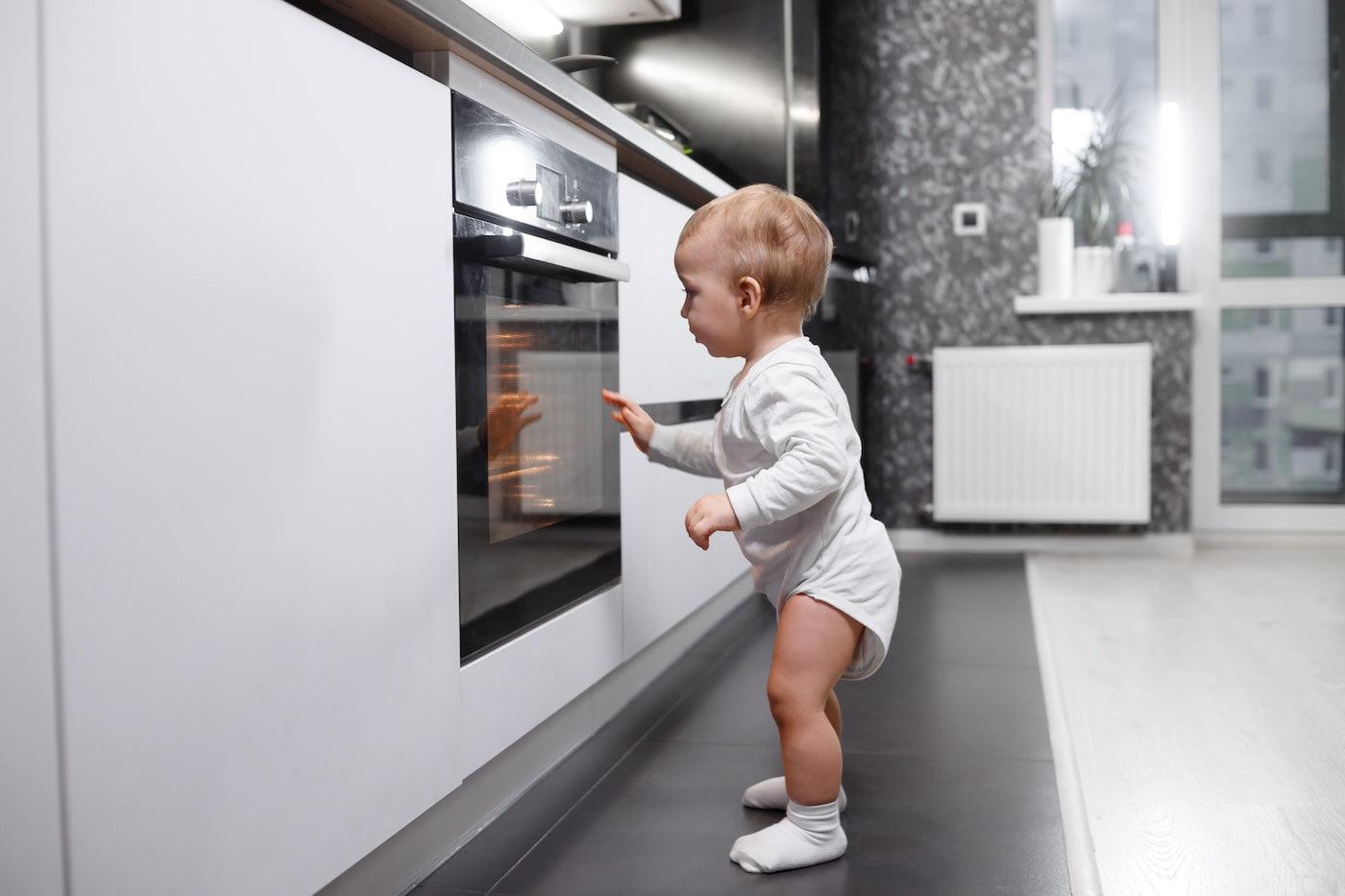
Burns are one of the most common injuries in little ones. Babies and toddlers are especially vulnerable because their skin is delicate—and their curiosity knows no bounds! The good news? Many burns can be prevented, and knowing how to treat them can make all the difference.
Common Causes of Burns in Kids
There are all sorts of ways curious kiddos can find themselves in hot water (often literally!). Here are common burn culprits that parents should keep an eye on:
- Scalds from hot liquids: Spilled coffee, soup, or bathwater that’s too hot—scalding is the number one cause of burns in young children. In fact, nearly 75% of burns in young kids are from hot liquid, hot tap water or steam (hot soup is a top cause among children in the U.S.)
- Flames & hot surfaces: Tiny roaming hands reaching for stove burners, fireplaces, or candles can lead to painful burns.
- Chemical burns: It’s not just heat and fire to watch! Household cleaners, drain openers, or battery acid can cause burns if they touch skin or eyes.
- Electrical burns: Chewing on electrical cords or touching exposed wires can lead to serious internal injuries.
- Sunburns: Too much time in the sun without proper protection can leave skin red, painful, and damaged.
Types of Burns
Burns are categorized based on their severity, ranging from mild to severe:
- First-degree burns: These are the least severe and only affect the outer layer of the skin (epidermis). Symptoms include redness, mild swelling, and pain, similar to a sunburn. First-degree burns typically heal within a few days without medical treatment.
- Second-degree burns: These burns affect both the outer layer of the skin (epidermis) and the underlying layer (dermis). They cause blisters, intense redness, and severe pain. Second-degree burns may take a few weeks to heal and often require more intensive care, but many heal without scarring.
- Third-degree burns: These are the most severe and affect all layers of the skin and underlying tissues. The burn area may appear white, charred, or leathery. Third-degree burns are typically painless due to nerve damage. These burns require immediate medical attention and may necessitate skin grafts or surgery.
How to Treat a Minor Burn at Home
For first-degree burns and mild second-degree burns, you can often treat them at home with these simple steps (of course, never hesitate to call your care provider if you have any questions or concerns about your child’s health!):
- Cool it down: Run cool (not cold!) water over the burn for 10 to 15 minutes to reduce heat and pain. Skip the ice—it can make things worse!
- Soothe the skin: Apply aloe vera gel or a fragrance-free moisturizer to help with healing.
- Cover it up: If the burn blisters, gently cover it with a clean, non-stick bandage.
- Manage pain: If your little one is uncomfortable, give acetaminophen or ibuprofen as directed by your pediatrician.
What Not to Do for a Burn
Some well-meaning burn remedies can do more harm than good! Avoid:
- ❌ Ice: It can worsen the injury.
- ❌ Popping blisters: Let them heal naturally to prevent infection.
- ❌ Butter, oil, or ointments: These can trap heat and make the burn worse.
- ❌ Ignoring signs of infection: If you notice swelling, pus, or a bad odor, get medical help!
When to Call the Doctor About a Burn
Some burns need more than home care. Reach out to your pediatrician right away if:
- The burn is larger than 2 to 3 inches or covers a significant area.
- The burn is on the face, hands, feet, joints, or genitals.
- The burn looks white, charred, or leathery (a sign of a third-degree burn).
- There are signs of infection, like pus, increased redness, or swelling.
- Your child has trouble breathing after a burn incident.
For chemical burns you can also call the poison help line at 1-800-222-1222.
Burn Prevention Tips for Parents
The best way to treat a burn is to prevent it in the first place! Here are some key ways to keep your kiddo safe:
- Set your water heater to 120°F (49°C) to prevent accidental scalds.
- Turn pot handles inward and use back burners when cooking.
- Keep hot drinks out of reach—even a quick grab can lead to a painful scald.
- Use outlet covers and keep electrical cords out of little hands. (Get the full childproofing checklist!)
- Apply sunscreen (SPF 30+) and dress kids in protective clothing when outdoors. (See more sunscreen tips for babies and kids!)
- Store cleaning products and chemicals safely—locked and out of reach. (Related: Keep these household items out of reach!)
- Check smoke detectors regularly to prevent fire-related injuries. (Brush up on family fire safety!)
More Safety Advice:
- Sleep Safety 101
- The Only Car Seat Checklist You Need
- Water Safety Rules for Families
- Bath Safety Guidelines for Babies
***
REFERENCES
- Burns, World Report on Child Injury Prevention, World Health Organization, 2008
- Pediatric Soup Scald Burn Injury: Etiology and Prevention, Journal of Burn Care & Research, Jan-Feb 2008. 2008;29(1):114-118. doi:10.1097/BCR.0b013e31816017d7
- Mayo Clinic: Burns – Symptoms and CausesCleveland Clinic: Second-Degree Burn
- American Academy of Dermatology: Treating Minor Burns
- American Academy of Pediatrics: First Aid for Burns
- American Academy of Pediatrics: Treating and Preventing Burns
- American Academy of Family Physicians (2020): Burn Management
- American Academy of Family Physicians (2012): Burn Treatment in Primary Care
Disclaimer: The information on our site is NOT medical advice for any specific person or condition. It is only meant as general information. If you have any medical questions and concerns about your child or yourself, please contact your health provider.
SHARE THIS ARTICLE
MOST LOVED
Sleepytime Sidekicks