PARENTS
Your First Period Post-Baby—What to Expect When Aunt Flo Returns
Now that you’ve had your baby, you may be wondering when your period is likely to return. The short answer is…it depends.

Written by
Dr. Harvey Karp
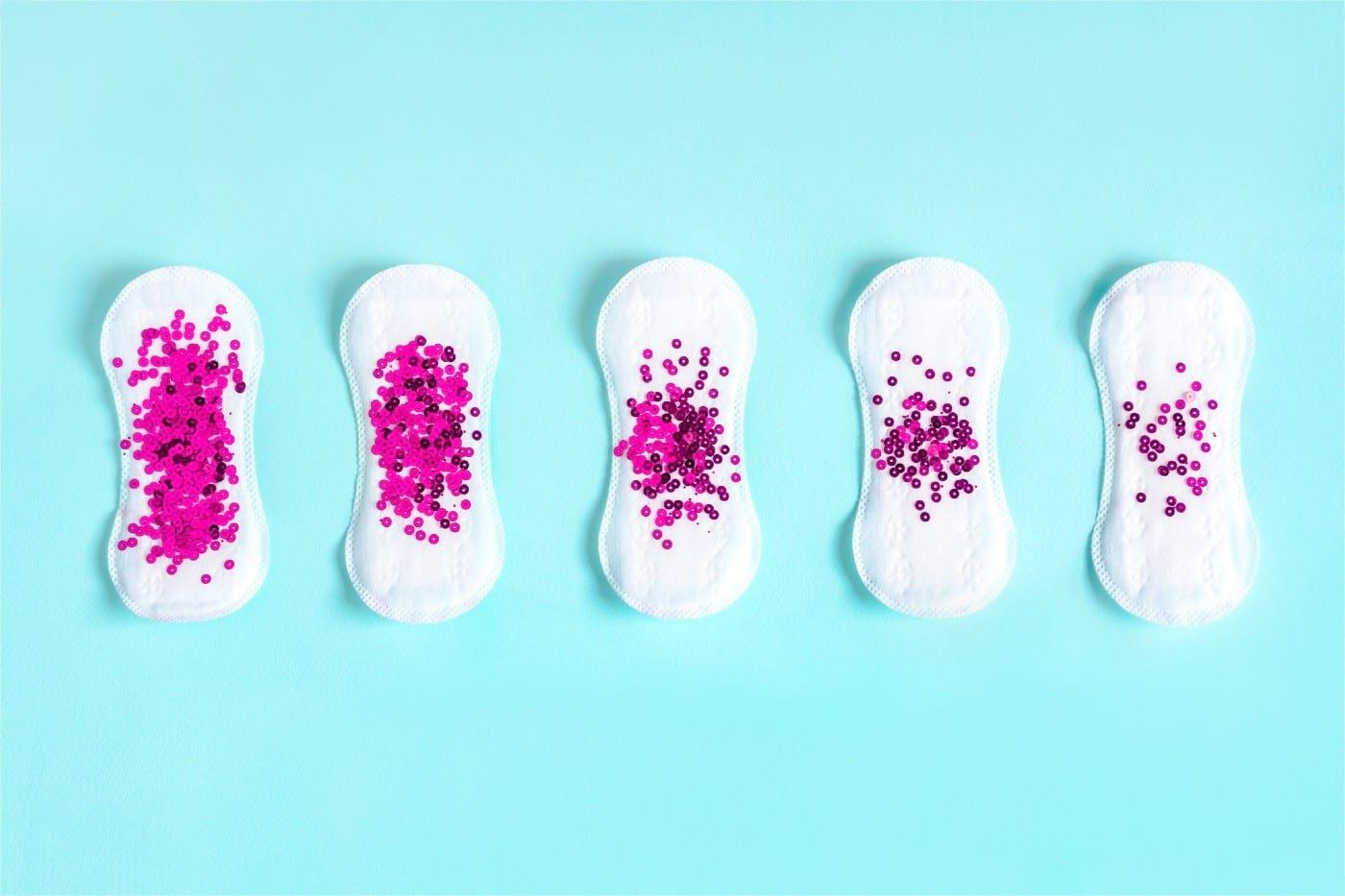
Pregnancy can have its challenges, but on the celebratory side, you are spared monthly menstrual cycles and the mood swings, cramps, and bleeding that come with them. Of course, now that you’ve had your baby, you may be wondering when your period is likely to return. The short answer is…it depends.
How long does it usually take for periods to return after birth?
The timing of your first period postpartum depends on whether or not you breastfeed. If you’re formula feeding, you period should arrive about six to eight weeks after the big day. However, if you’re exclusively breastfeeding—meaning, your baby drinks absolutely nothing but breastmilk (other than vitamins or medicine)—your period will likely be delayed. That’s because prolactin, the hormone released during breastfeeding, delays the restarting of your ovulating. No ovulation = no period.
Some women won’t get a period for the entire time they are breastfeeding. Others will get their period while they are still breastfeeding, particularly after they have introduced bottles of formula, solid foods or when baby starts sleeping through the night.
Can you get pregnant before you have a period?
Yes! Yes! Yes! Once your cycle comes back, you will ovulate two weeks before you get your first period, so you will have no advance warning that you’re fertile! If you’re not ready to get pregnant again, check out your birth control options. Hormonal birth control won’t hurt your baby, but if they contain estrogen they may cause your milk supply to dip. Ask your practitioner about non-hormonal birth control methods—including diaphragms, condoms, certain versions of the Pill (progesterone-only pills do not reduce milk supply), and some IUDs—that are totally compatible with breastfeeding.
Can I use breastfeeding as birth control?
In theory, yes, you can use breastfeeding as birth control, but that comes with a big asterisk. Using breastfeeding as birth control is known as the Lactational Amenorrhea Method (LAM), and it relies on the fact that ovulation is delayed if you are exclusively breastfeeding. However, for it to work you must meet certain criteria:
- Your baby should be under 6 months old (pre-solid-food-introduction).
- You need to be exclusively breastfeeding and breastfeeding frequently (at least every four to six hours.
- Ideally avoid pacifiers, bottles, and pumping.
If you’re doing all of the above, LAM can be up to 98% effective at preventing pregnancy. Problem is, meeting all three of those requirements can be challenging for some families, so it’s not foolproof. Learn more about using breastfeeding to prevent pregnancy.
What will your first period after birth be like?
Brace yourself…the first period after giving birth is typically heavier than normal because there is extra blood in your uterine lining that needs to be shed. You may enjoy easier periods due to physical changes in the uterus and cervix, although some folks experience stronger cramps.
Here’s another surprise: After your first post-baby period, the next may show up early…or quite late. It can take a few months for your cycle to become regular again. Stash some period protection in your purse so you’re not caught off guard. If you do get your period soon after giving birth, ask your doctor if it’s safe to use tampons. Most women feel that pads are a better option until the vagina is completely recovered from delivery. You’ll typically be cleared to use tampons at your six-week postpartum checkup.
When should you see a doctor about your period?
Though that first period after baby can be a doozy, the flow should not be so heavy that you’re going through one pad per one to two hours. Call your doctor if you’re experiencing any of the following:
- Big blood clots: It’s normal to see small clots in your first postpartum period, but if they are larger than a quarter or last for several days, it could be a sign of a thyroid problem, infection, fibroids, or polyps.
- Heavy flow, pain, and spotting: If you are experiencing heavy, painful periods or spotting between periods, you may have developed adenomyosis, which is a thickening of the uterine wall. While not usually dangerous, adenomyosis can be uncomfortable, particularly during sex. Don’t be shy about asking your doctor or midwife. Depending on the severity, they may want to give you anti-inflammatory medications, hormones, or a minor surgical procedure.
- Prolonged heavy flow: Losing too much blood can cause anemia from iron deficiency. Low iron can make you feel tired, dizzy and irritable. Fortunately, the diagnosis and treatment are pretty simple: if your blood test shows low iron, your practitioner will give you iron supplements and vitamin C (vitamin C helps your body absorb the iron).
- No period: If your period hasn’t returned three months after giving birth or three months after stopping breastfeeding, talk to your practitioner. This is often totally normal, but there are two rare conditions that can cause your periods to disappear:
When should I worry about a heavy period after pregnancy?
For the most part, a heavy flow comes with the territory of your first postpartum period. However, a small percentage of folks who give birth experience a postpartum hemorrhage (defined by the loss of 500 mL of blood or more), which can happen anywhere from 24 hours to 12 weeks after giving birth.
Postpartum hemorrhage is typically caused by what’s known as uterine atony—this means the uterine muscles aren’t contracting normally to tighten the blood vessels after Baby arrives. It can be also caused by other conditions (some of which you were likely diagnosed with prior to giving birth):
- Placental abruption (when the placenta separates early from the uterine wall)
- Placental accreta, placenta increta or placenta percreta (when the placenta grows too deeply into the uterine wall)
- Placenta previa (when the placenta sits low enough to cover the cervix)
- Uterine inversion (a rare condition where the uterus turns inside out following birth)
- Uterine rupture (a rare condition when the uterus tears in labor)
While it can strike without warning, there are certain risk factors associated with postpartum hemorrhage, such as:
- Long labor
- Fast labor
- History of postpartum hemorrhage
- Labor induction
- Episiotomy
- Preeclampsia
- Larger uterus (could be from a big baby, carrying multiples, or having excess amniotic fluid)
- C-section
- Hispanic or Asian ethnicity
- Chorioamnionitis
If you experience these signs of postpartum hemorrhage, call your provider immediately:
- Heavy bleeding that doesn’t slow or stop
- Drop in blood pressure
- Blurry vision or chills (could be the result of a drop in blood pressure)
- Nausea
- Pale skin
- Pain or swelling around the vagina or perineum
Final Thoughts on First Period After Birth
Though you may wish your period would just stay away forever, remember that it’s a sign of your body functioning normally after pregnancy. Practice self-care by getting plenty of rest, taking walks to relieve cramps, and snacking on healthy fats (hello, avocado toast!) and iron-rich lentils, prunes, meats, and foods cooked in a cast iron skillet.
Read more about postpartum life:
- Postpartum Recovery: A Week-by-Week Guide
- Healing and Recovery After Birth
- Weird Things That Happen to Your Body After Birth
- Sex After Birth—Your Questions, Answered!
- Vagina Changes After Birth
Disclaimer: The information on our site is NOT medical advice for any specific person or condition. It is only meant as general information. If you have any medical questions and concerns about your child or yourself, please contact your health provider.




SHARE THIS ARTICLE
MOST LOVED
Sleepytime Sidekicks