BABY
Baby Sleep Positions: What’s Safe?
Babies may seem to like catching Zzzs on their tummies, sides, or in your arms—but some of these positions are risky.

Written by
Holly Pevzner

You may sleep curled on your side, splayed on your back, or face down with one leg dangling off the side of the bed. And if you are comfy and rested, you are golden! Unfortunately, it’s not that simple with babies. For example, if your mini copy-cats your favorite sleep position, they may be putting themselves at an elevated risk for sudden unexplained infant death (SUID). Here, all the info you need on newborn baby sleep positions—and how they stack up in terms of safety.
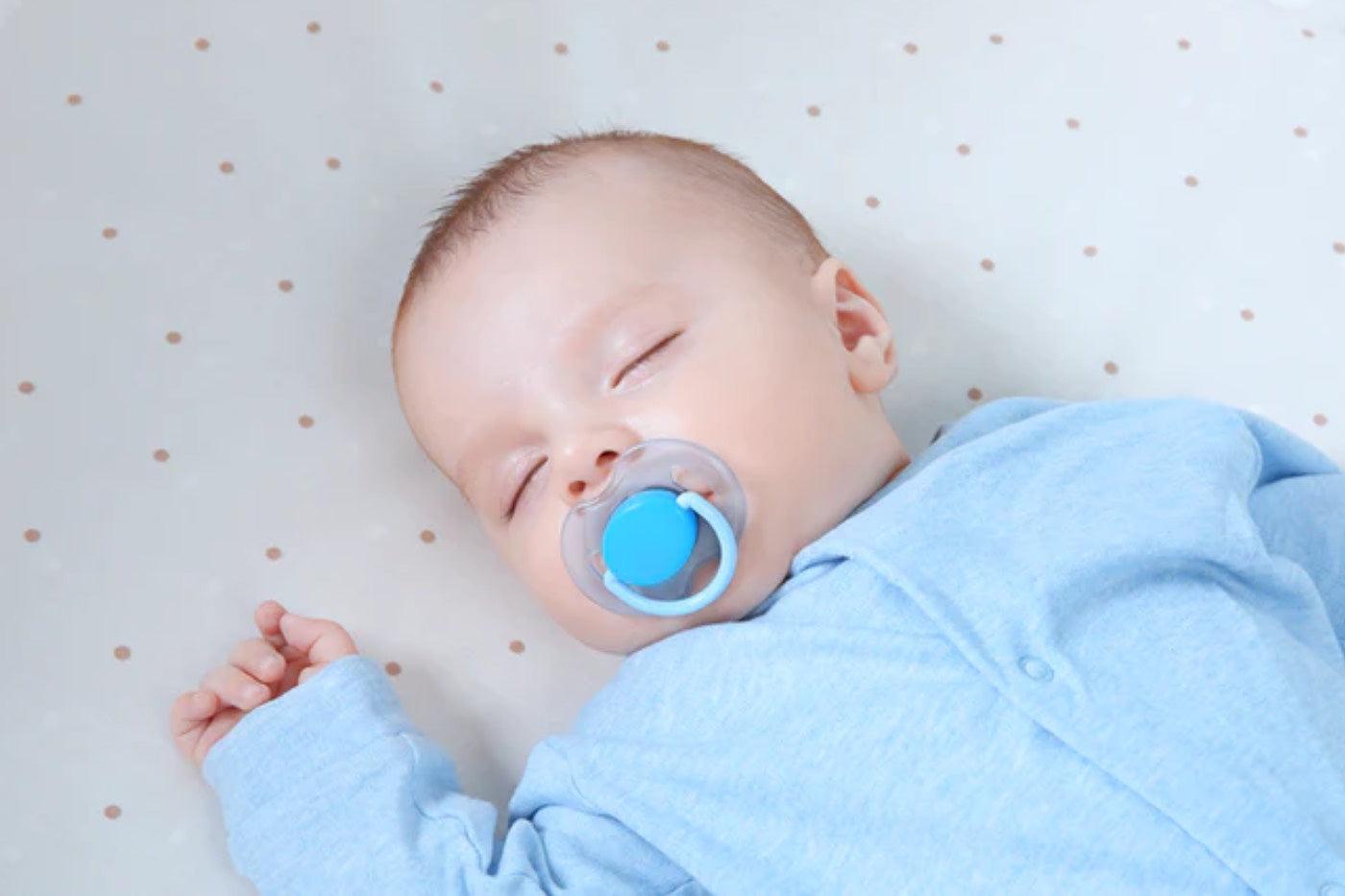
Safest Sleeping Position for Newborn Babies: On the Back
Placing your newborn to sleep on their back is considered the absolute most effective thing you can do to lower your baby’s risk of SUID, according to the National Institutes of Health (NIH). And you should continue doing just that at bedtime and naptime for the entirety of your baby’s first year. After all, the rate of sudden infant deaths plummeted in America by more than 50% once a national campaign began that heavily encouraged safe back-sleeping for babies.
You see, when your baby is placed in this gold-standard sleep position, they not only can breathe easier, but they’re far less likely to aspirate or choke on spit-up than when in other sleep positions. (When babies snooze on their back, their trachea lies on top of their esophagus, making it virtually impossible for spit-up or vomit from the esophagus to pool in the trachea, causing harm.) And as a bonus, research shows that babies who snooze on their backs are less prone to fevers, stuffy noses, and ear infections, too.
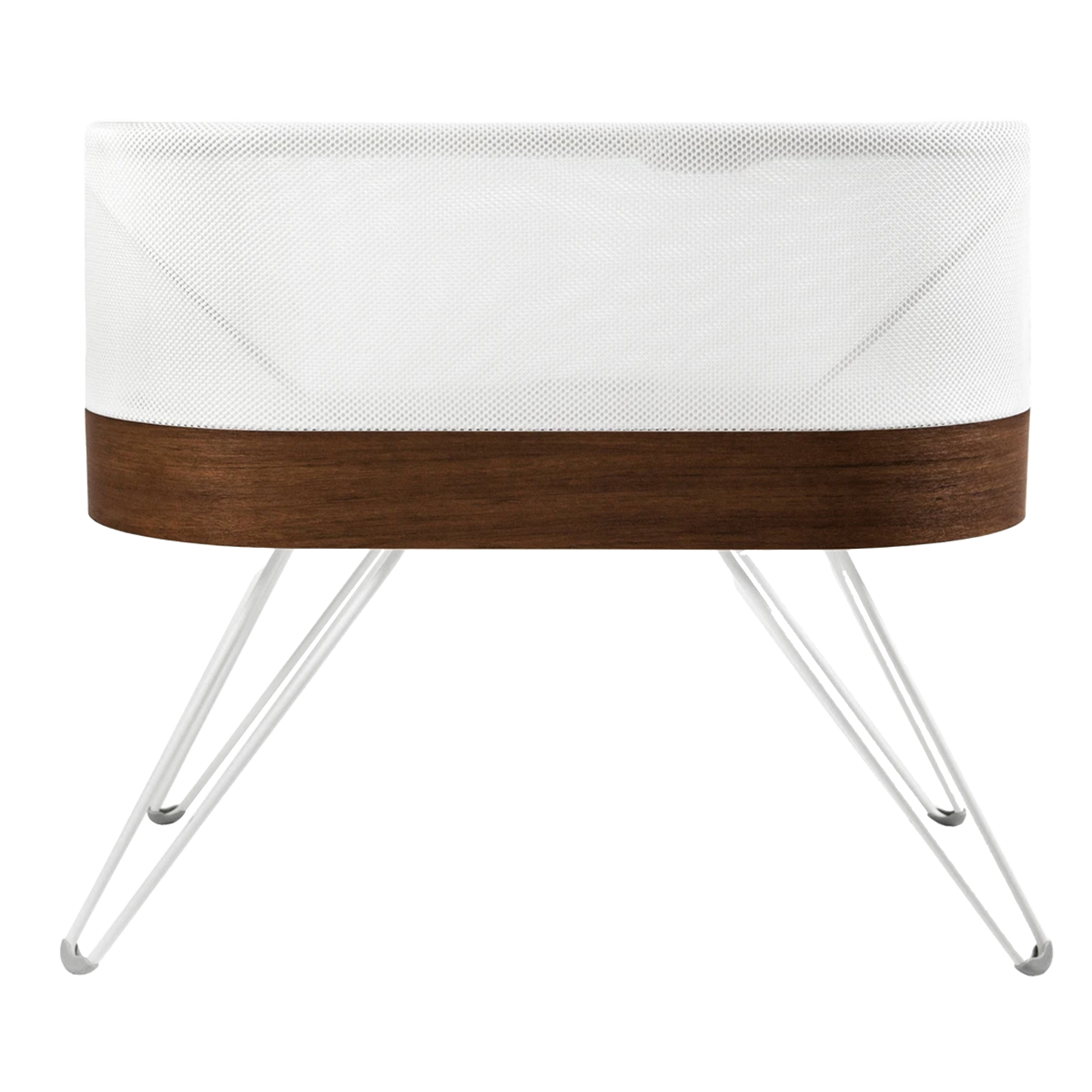
To ensure your baby remains safely on their back during all sleeps, consider our award-winning SNOO Smart Sleeper. It’s the only bassinet featuring a secure swaddling system, which prevents infants from rolling to unsafe positions while sleeping. In fact, thanks to this innovation, the FDA granted SNOO De Novo Authorization for its ability to keep babies safely on their backs! (For important safety information visit happiestbaby.com/fda.)
Unsafe Sleep Positions for Babies
Bottom line is that babies are safest when sleeping on their backs. No other sleep position compares. However, babies do wiggle and roll; in-laws and babysitters sometimes follow their own safe sleep rules; and although many parents intend to only place their infants on their backs for sleep, it seems that only about 44% of moms actually follow through with that safe-sleep plan. In the end, many babies aren’t consistently sleeping on their back. Instead, here’s how they’re sleeping—and what that means for their safety:
Babies Sleeping on Their Stomach
There are several reasons why stomach sleeping is never recommended for infants. First, it’s believed that babies who sleep on their stomachs may obstruct their airway, hindering breathing. Plus, when babies sleep on their stomachs anything they spit up or throw up can collect at the opening of their trachea, greatly increasing the odds that they could aspirate or choke. A belly-down position may also interfere with your baby’s ability to distribute heat, which can lead to overheating, another cause of SUID. But perhaps most importantly, research suggests that babies who sleep on their stomachs may be “rebreathing” their own oxygen, which can boost a baby’s carbon dioxide levels and reduce their oxygen levels at the same time. For most babies, taking in this kind of stale air would trigger their brain to wake them and cry so that they could inhale fresh oxygen. But sometimes this wake-and-breathe signal misfires for babies, making belly-sleeping super dangerous. The sobering fact is that almost 49% of infants who die in their sleep are discovered on their tummies.
Babies Sleeping on Their Side
Just because curled-up side-sleeping is often dubbed the “fetal position” does not mean it’s safe for babies! In fact, side-sleep is considered “unstable” and has been found to increase the chance that infants will roll onto their stomachs. As a sad reminder: Almost half of all babies who die in their sleep are discovered on their tummies. And if you think using a strategically placed pillow, rolled cloth, or another item will prevent your side-sleeper from rolling onto their tummy, know that these objects simply pose a different risk: They increase your baby’s chances of entanglement or suffocation.
Occasional Unsafe Sleep Positions for a Baby
Even brief or infrequent side- or stomach-snoozing is dangerous. According to the NIH, babies who are accustomed to sleeping on their backs, but who are then placed on their stomachs or sides to sleep—maybe by a grandparent, babysitter, or daycare worker—are at a “significantly higher risk” for SIDS than other babies. Again, that means that babies should always be placed on their backs to sleep until they reach their first birthday.
Safe Sleep Solutions for Stomach- and Side-Sleepers
It’s no wonder babies often like snoozing on their bellies or sides. Holding babies in a side/stomach position is actually one of the 5 S’s, which are womb-like sensations that tap a baby’s calming reflex, an innate neurological response that works as nature’s “off switch” for fussing. (The rest of the S’s include swaddling, shushing, swaying, and sucking.) While holding babies in the side or stomach position is great at calming little ones, it’s not safe for sleep.
But there’s hope! Most babies who initially prefer to rest on their side or stomach do very well when placed in SNOO because our smart sleeper replaces their favorite S with three other S’s: white noise (shushing), gentle rocking (swaying), and a secure swaddle that keeps your baby nestled on their back, preventing rolling to an unsafe position during sleep. You can also add another calming S to further comfort your baby by introducing a pacifier (sucking). (If your baby is breastfed, wait until nursing is going well.)
For even more info on safe sleep, check out:
- Best Bedtime Routine for Baby
- Guide to Newborn Sleep
- Why Stomach-Sleeping Is So Risky
- Baby Sleep Safety 101
Disclaimer: The information on our site is NOT medical advice for any specific person or condition. It is only meant as general information. If you have any medical questions and concerns about your child or yourself, please contact your health provider.
SHARE THIS ARTICLE
More on Baby

About Holly Pevzner
Holly Pevzner is Happiest Baby’s Staff Writer. She specializes in creating parenting, pregnancy, health, nutrition, and family travel content. Her work—including essays, columns, reported features, and more—has appeared in outlets such as EatingWell, Family Circle, Parents, Real Simple, and The Bump. Before becoming a full-time writer, Holly held senior staff positions at Prevention, Fitness, and Self magazines, covering medical health and psychology. She was also a contributing editor at Scholastic Parent & Child magazine and a regular kids-health columnist for Prevention and First For Women magazines. Holly lives in Los Angeles with her husband, two boys, and terrier mix.