TODDLER
Snoring in Children: Causes & Cures
Easing these problems can lead to quieter breathing and more restful sleep.

Written by
Dr. Harvey Karp

Baby and Toddler Snoring
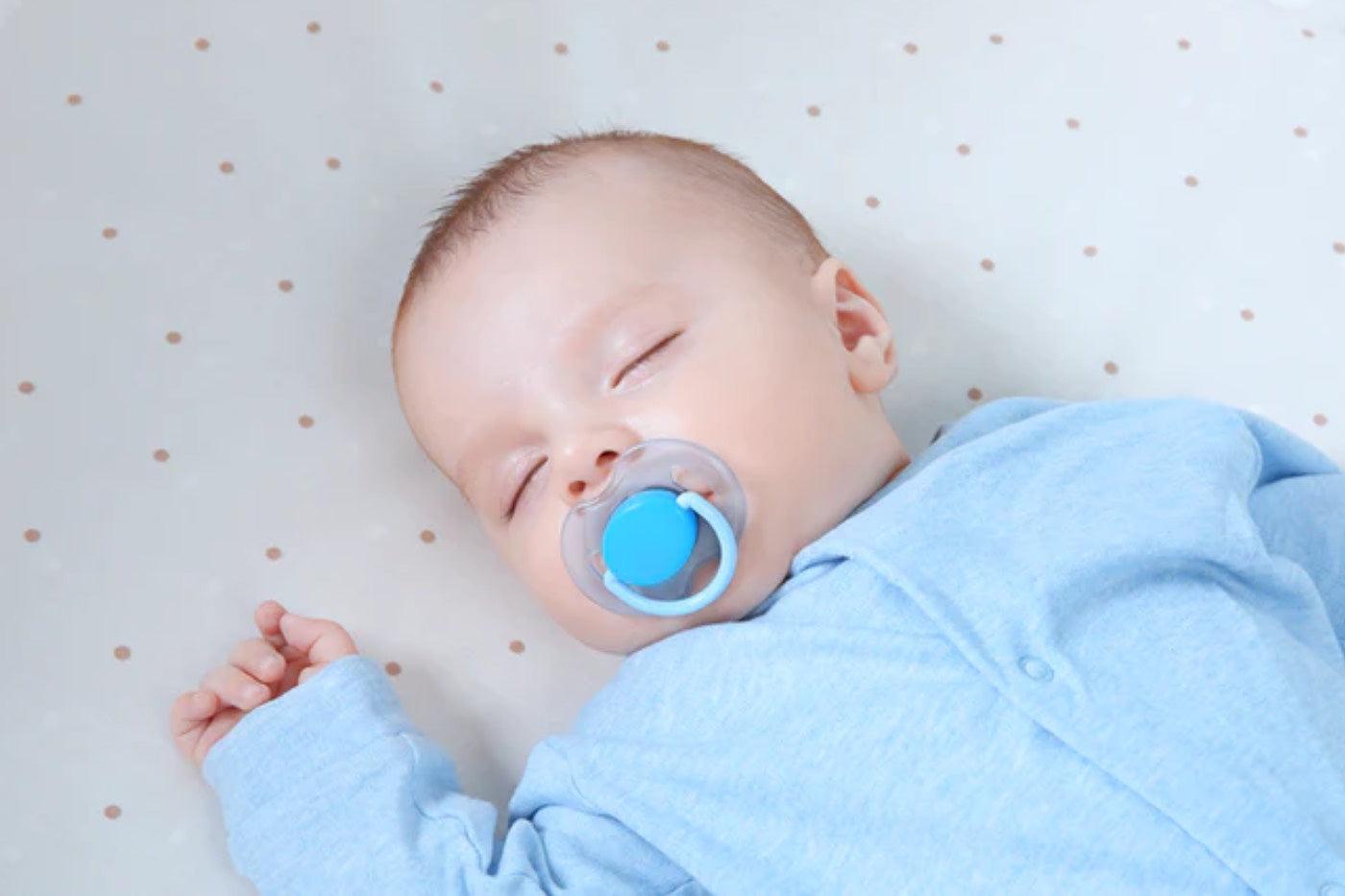
Does your baby snore like a tiny freight train while sleeping? If so, you’re not alone, and there are easy steps to take that can relieve most snoring in children.
A lot of babies and young children have noisy nighttime breathing, but 7 to 12% snore more than three nights a week. Why? It can be because of nasal allergies (triggered by dust, dust mites and feather bedding) or by excessive dryness in the room. But, the most common cause of snoring is a mild blockage caused by large tonsils and adenoids.
Baby and Toddler Snoring Caused by Tonsils and Adenoids
Tonsils and adenoids are special lymph glands located way in the back of the nose and throat. They serve as our own personal Homeland Security protection patrol, constantly churning out squads of antibodies and white blood cells to capture viruses and germs before they can sneak into the body.
When throat muscles relax during sleep, those soft tissues collapse a bit. Usually that is not a problem, but if your child has big tonsils and adenoids, the whole breathing “tunnel” can narrow dramatically. That makes a child’s throat close off with each deep breath—like a paper bag collapsing when you suck the air out of it. The results: snoring!
Steps to Ease Snoring in Children
The good news is there are a few ways to help your baby or toddler breathe more quietly— and sleep more restfully—at night:
- Putting a thick folded blanket under the mattress—at the head of the bed—to elevate your child’s head 3-4 inches.
- Moisturize the air with a cool mist humidifier. (Rinse it out daily to avoid mold).
- Eliminate dairy products (milk, cheese, etc.) for 1-2 weeks.
- Ask your doctor if your child should try using an anti-allergy medicine and a HEPA air filter in the bedroom.
- Keep pets out of your child’s bedroom.
If the snoring and other sleep problems don’t get better after a week or two, then it would be wise to have your child checked by a doctor.
Sleep Disordered Breathing and Sleep Apnea That Causes Snoring in Children
About 3% of children have more serious snoring and a condition called SBD (sleep disordered breathing) or OSA (obstructive sleep apnea).
Apnea means going more than 10 seconds without breathing. In this case, the throat closes—during breathing in—causing the rough snoring sound. This can seem quite scary, but children will automatically wake up and start breathing again, usually within 10 to 15 seconds.
Signs of SBD are sleeping with the mouth open, a nasal gravelly voice, drool on the pillowcase, more headaches and being excessively sleepy. This problem is more common— but not limited to—children who are overweight and obese.
Kids with SBD may startle awake or snort or gasp dozens or hundreds of times each night! It’s no wonder kids with SBD often wake up with dark circles under the eyes, seem to be yawning all day, get irritable, “hyper,” forgetful and accident-prone. SBD also weakens the immune system, undermining learning and can lead to high blood pressure and heart strain.
Your pediatrician may recommend medication to try to shrink the tonsils and adenoids (like an oral or inhaled cortisone or a leukotriene inhibitor), or she may suggest surgery to remove the tonsils and/or adenoids. A note of caution: if your child is overweight or older than 7 years of age, get a second opinion before scheduling surgery. Kids in these categories often do not improve with the procedure.
Remember, only a small number of children experience apnea. Most snoring in children goes away after making a few adjustments in your tot’s sleep environment or diet.
More About Baby Snoring
Usually a baby snoring is not a cause for concern. A baby will usually snore because their breathing airways are still small and narrow, and these tiny passages can fill with mucus and fluids. Their petite nasal passages can cause snoring in babies, as well as whistling, or snuffling sounds while they sleep. While snoring in babies should not usually concern you, if your baby is snoring for four or more nights in a row, or they have other symptoms, speak to your pediatrician.
Disclaimer: The information on our site is NOT medical advice for any specific person or condition. It is only meant as general information. If you have any medical questions and concerns about your child or yourself, please contact your health provider.
SHARE THIS ARTICLE