BABY
15 Things Parents Can Do to Reduce Their Baby's Risk of SIDS
Follow these steps to provide a safe environment for your baby.

Written by
Dr. Harvey Karp
How common is SIDS?
Tragically, in 2022, 3,700 sudden unexpected infant deaths (SUID) were reported in the U.S., according to the Centers for Disease Control and Prevention (CDC), with an estimated 1,400 due to SIDS. There were an additional 1,300 infant deaths due to unknown causes and about 900 cases of accidental suffocation and strangulation in bed. SIDS declined significantly between 1990 and 1999, but has not shown much change in the past 20 years.
Reducing SIDS Risk Starts With Sleep
Providing a safe sleep environment is the single most important step you can take to reduce your baby’s risk of SIDS. For example, 60% of sleep-related deaths occurred when a baby was surface-sharing with another person, and in 62% of sleep-related deaths among babies in a non-shared space, the baby was found on their stomach or side, according to a 2024 report published in Pediatrics.
SIDS is not a topic anyone wants to think about—but thankfully, there are many ways to reduce your baby’s risk.
15 Tips to Help Reduce the Risk of SIDS
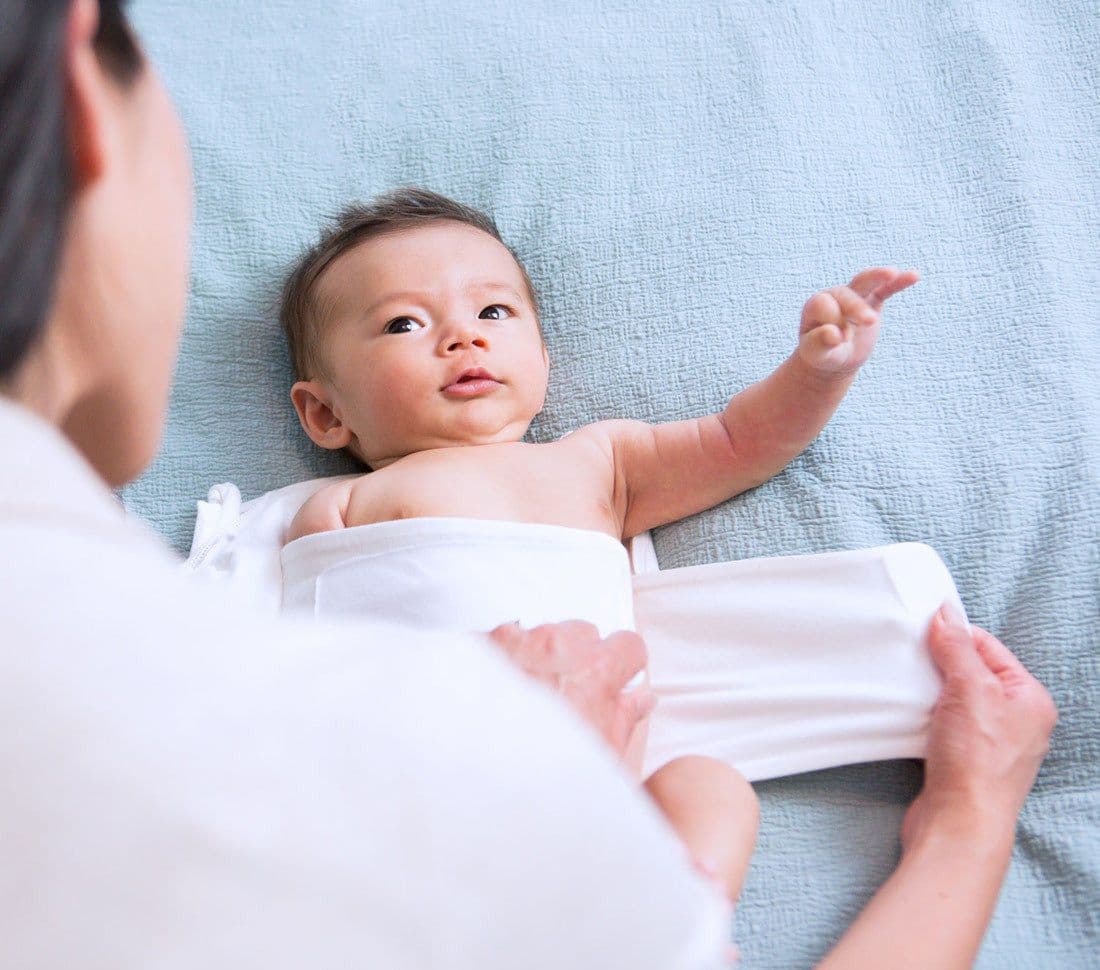
- Only let your baby sleep on the back. Back-sleeping is the top safe-sleep recommendation from all U.S. public heath authorities, including the AAP and CDC. In fact, placing babies to sleep on the back is “the single most effective action that parents and caregivers can take to lower a baby’s risk of SIDS,” according to the National Institutes of Health. To help babies stay in a safe sleeping position, SNOO Smart Sleeper features a clip-in swaddle that secures babies on their backs—this innovation earned SNOO FDA De Novo Authorization. (For important safety information visit happiestbaby.com/fda.)
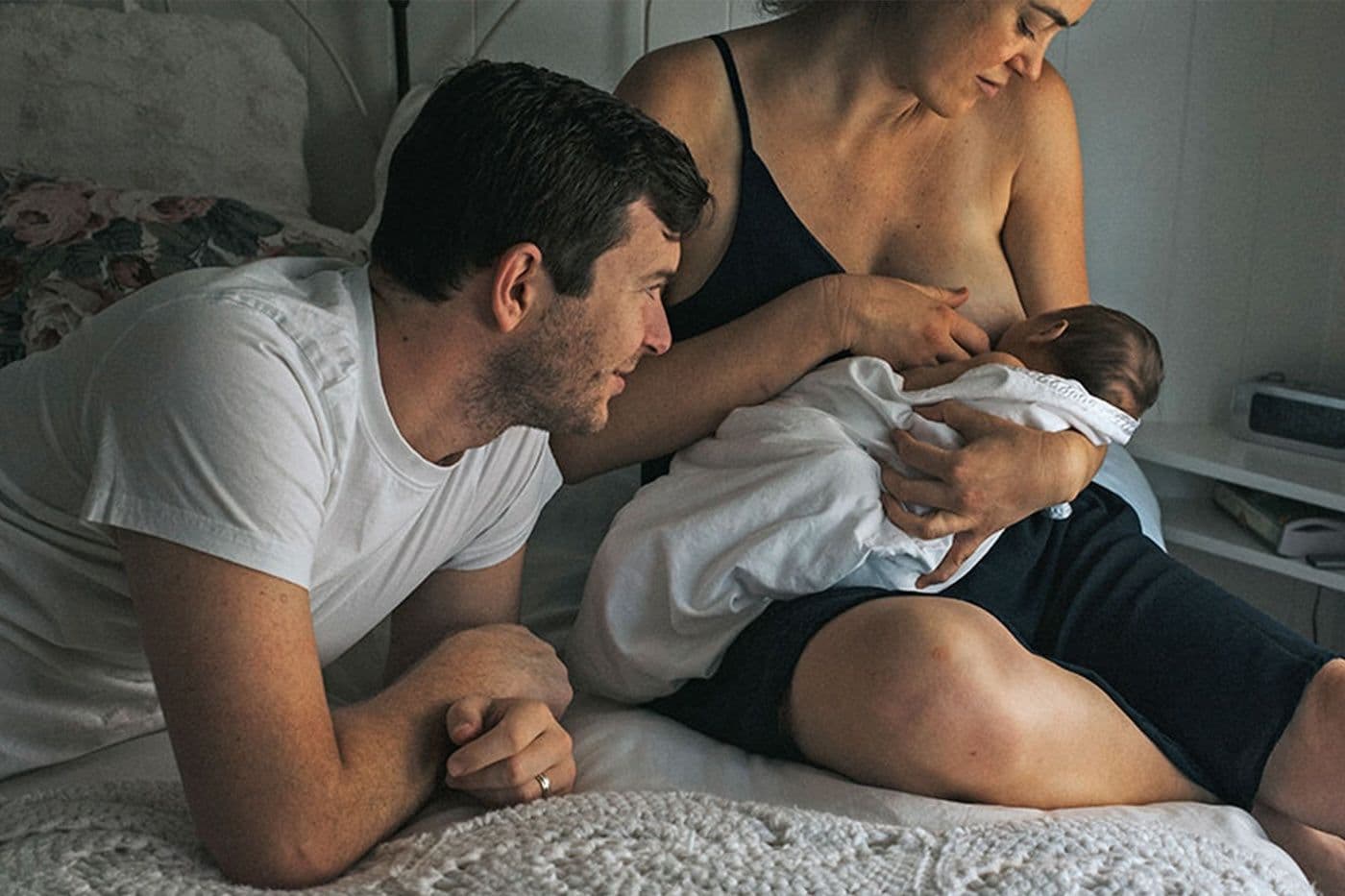
- Breastfeed if you can. Babies who are breastfed or fed expressed breastmilk are at lower risk for SIDS compared to babies who were never fed breastmilk. And the longer you exclusively breastfeed your baby, the lower their risk.
- Have a smoke-free house. Don’t smoke or allow others to do so. Avoid wood stoves, incense, scented candles, and fireplaces, unless the room is well vented.
- Avoid overheating or overcooling. Keep the room between 68 and 72 degrees Fahrenheit (20 and 22.2 degrees Celsius), and avoid overdressing. Your baby’s ears should feel slightly warm, not cold or hot.
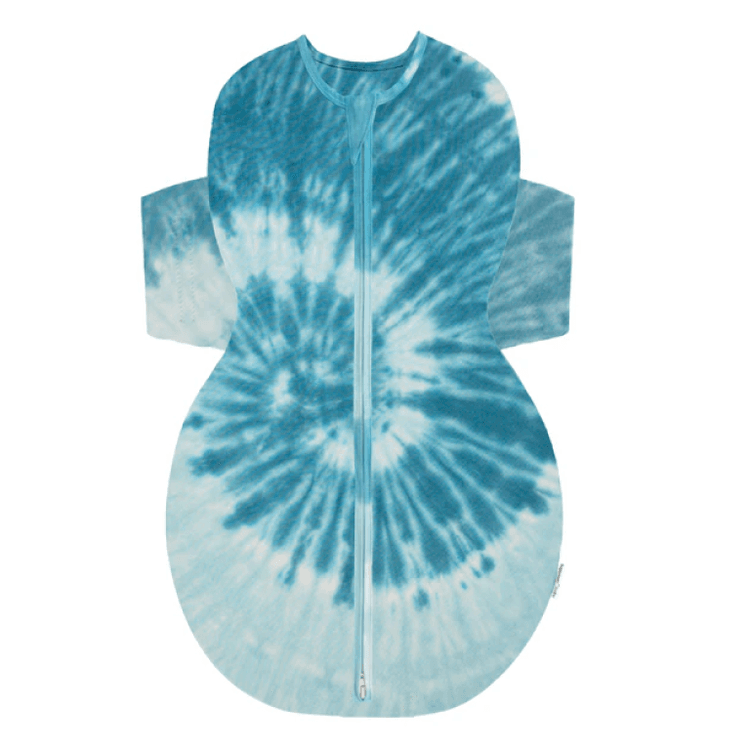
- Swaddle for sleep. Snug wrapping helps recreate the cozy confines of the womb to aid baby sleep and soothe fussing—which may help chip away at the parental exhaustion that can lead caregivers to make risky sleep decisions. Just make sure you stop swaddling as soon as your baby shows signs of rolling (unless you're using SNOO, which allows parents to safely swaddle for up to 6 months).
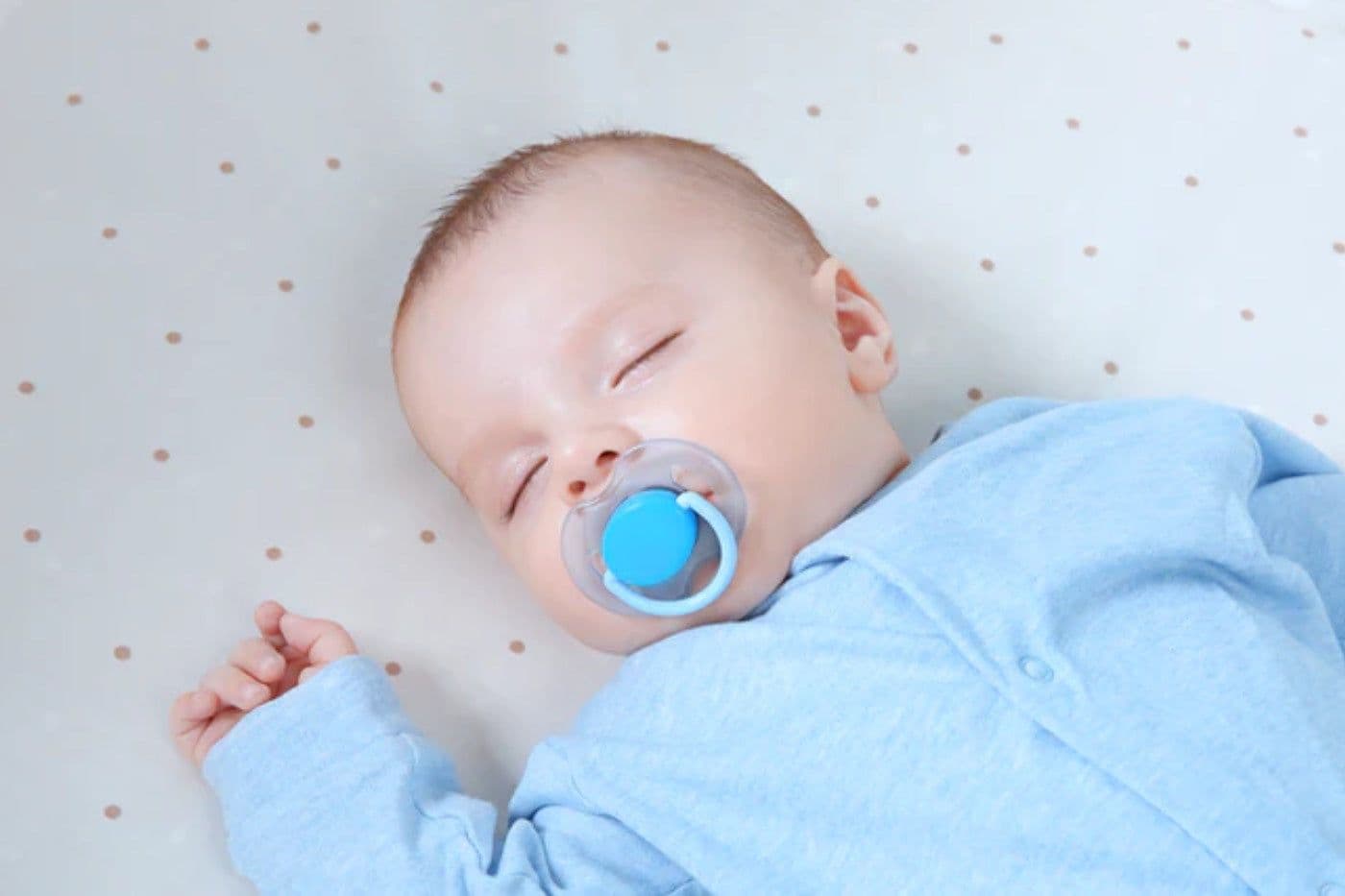
- Offer a pacifier at bedtime. If you’re breastfeeding, consider waiting a couple of weeks until the nursing is well established before giving a paci.
- Don’t sleep with your baby in your bed for at least the first 12 months. (Read more on bed-sharing and co-sleeping.)
- Never let your baby sleep on a couch, recliner, sofa, armchair, beanbag chair, or waterbed.
- Remove pillows, toys, crib bumpers, and thick or loose bedding that could cause smothering, like duvets, pillows, bumpers, stuffed animals, sleep positioners, lambskins. (Here's what to know about introducing a pillow.)
- No blankets under the baby, either. (This is when you can safely offer a blanket.)
- Practice tummy time to help your baby develop strong muscles to move their face away from choking and suffocation risks.
- Don’t let your baby sleep sitting up in a car seat, infant carrier, or inclined swing, especially if they're premature or developmentally delayed.
- Sleep in the same room as your baby for the first 6 months, with the baby in a bassinet or SNOO Smart Sleeper right near you.
- Make sure your baby has received all their immunizations.
- Avoid cribs with missing slats, net siding, or a space between the mattress and the side wall where your baby’s head might get trapped.
SIDS Prevention: Final Thoughts
Unfortunately, there’s no absolute way to prevent SIDS. But, most babies who die have at least one of these risk factors, so following all these tips in an effort to reduce the risk of SIDS can definitely keep your baby safer! For a complete list of safety tips for parents and caregivers visit firstcandle.org.
Disclaimer: The information on our site is NOT medical advice for any specific person or condition. It is only meant as general information. If you have any medical questions and concerns about your child or yourself, please contact your health provider.

SHARE THIS ARTICLE
MOST LOVED
Sleepytime Sidekicks