BABY
When (and How) to Move Your Baby to Their Own Room
Room sharing is recommended for at least 6 months. Then what? Here, Dr. Harvey Karp's guide to transitioning your little one to their own room.

Written by
Dr. Harvey Karp
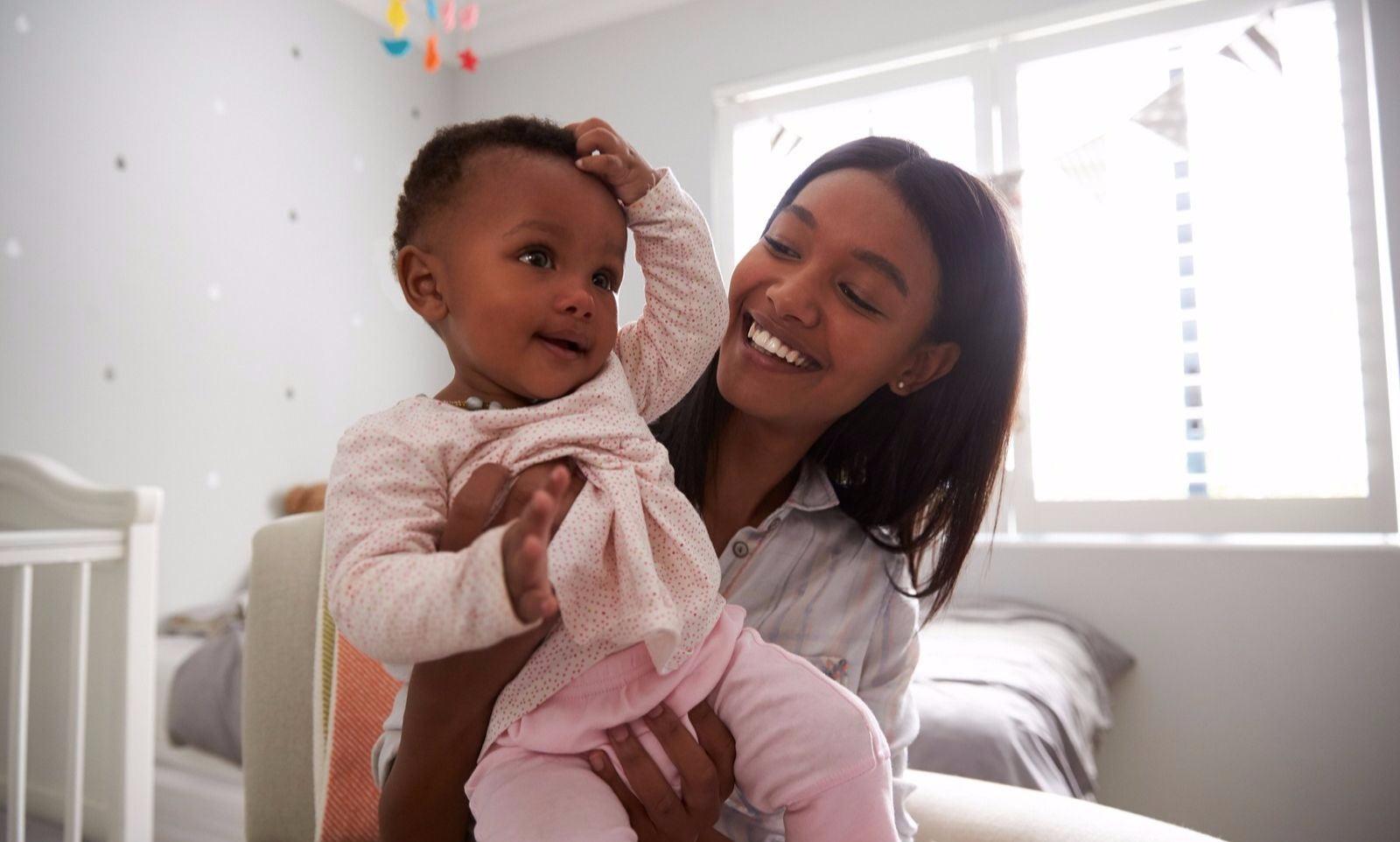
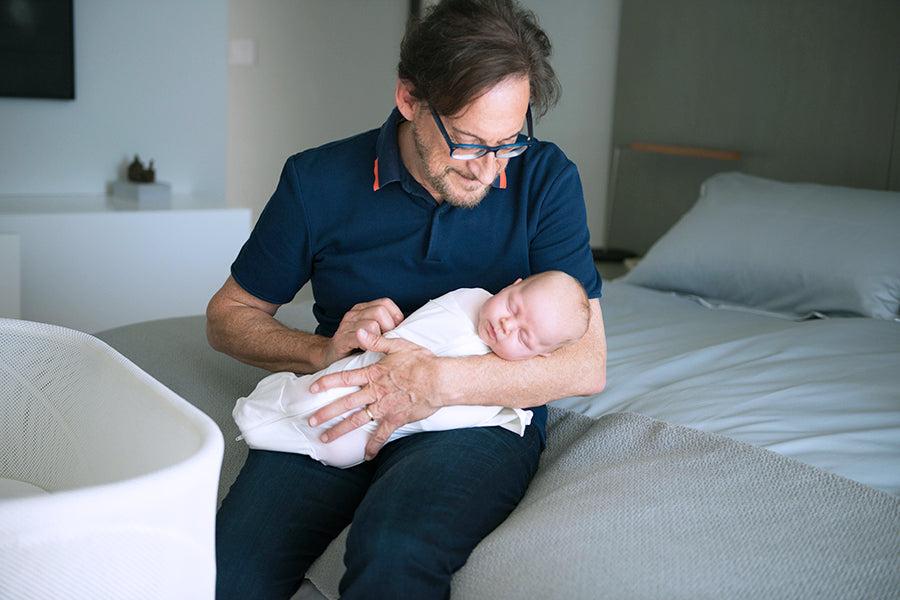
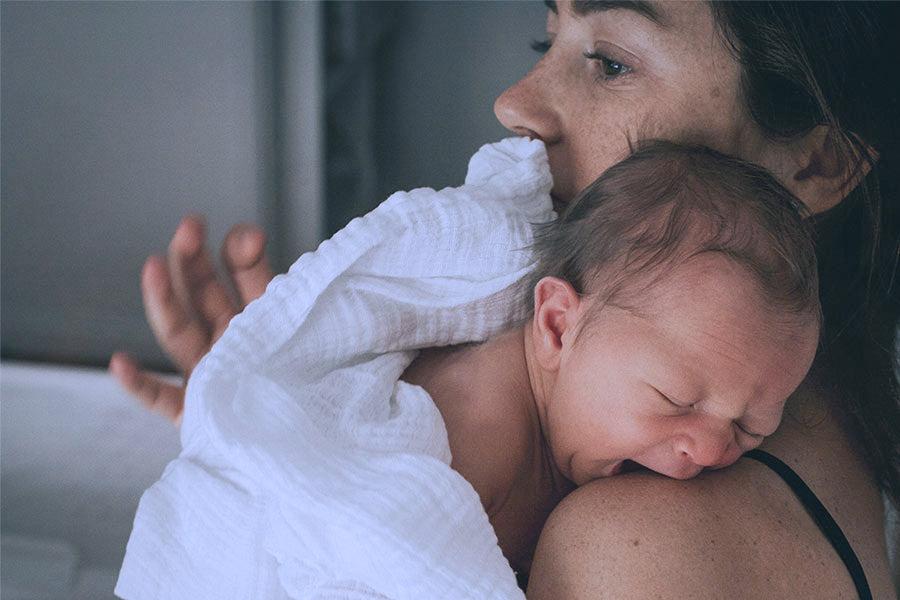
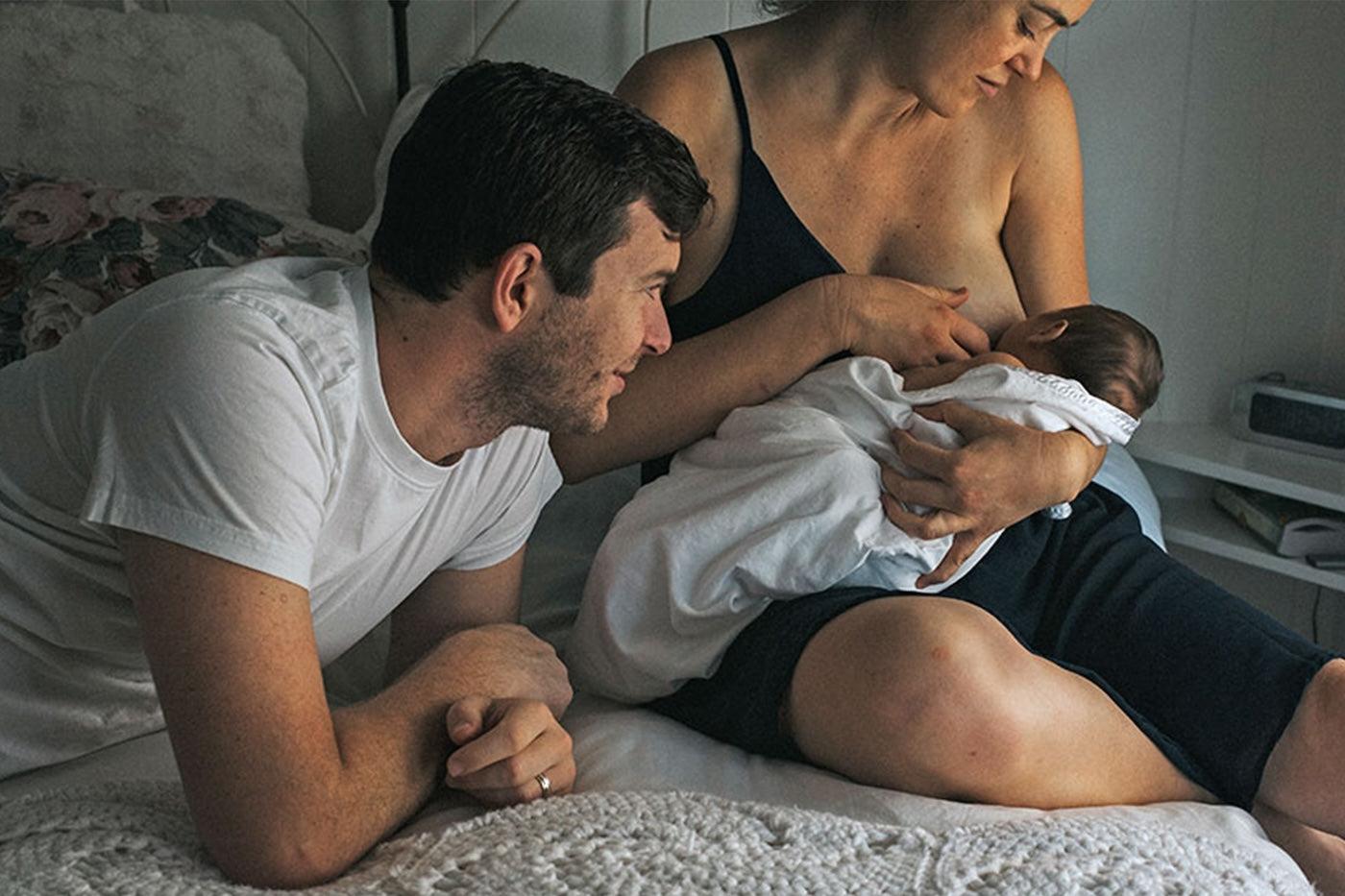
While you might have spent months and months planning the perfect nursery, chances are, your little one snoozed in your bedroom from the start. That’s because room sharing is convenient, making nighttime breastfeeding easier—and the practice of room sharing (not bed sharing) has been shown to help reduce a baby’s chances of infant sleep death. But if you’re wondering when’s the best time to move your baby to their own room, I’ve got some answers for you!
Can newborns sleep in their own room?
The American Academy of Pediatrics (AAP) recommends sharing a room with your baby for at least the first 6 months. That’s because having your baby’s bassinet in your bedroom—and close to your bed—can decrease their risk of sudden infant death syndrome (SIDS) by as much as 50%.
When should my baby sleep in their own room?
When’s the best time to move a baby to their own room? There’s no clear cut answer, but from my experience, I recommend moving your baby into their own room when they’re around 6 to 7 months old. After 7 months, babies become so much more tuned into the particulars of their surroundings and may have a harder time adjusting to the change of environment.
Also, by the time most babies are 8 months old, they suddenly notice—and really care—if there’s no one nearby when they wake. So, your baby can grow upset if they’re used to having company in their room, but now find themselves totally alone. This kind of separation worry is especially stressful for babies with a sensitive or cautious temperament. (Learn what type of temperament your baby has.)
What if my baby keep me awake?
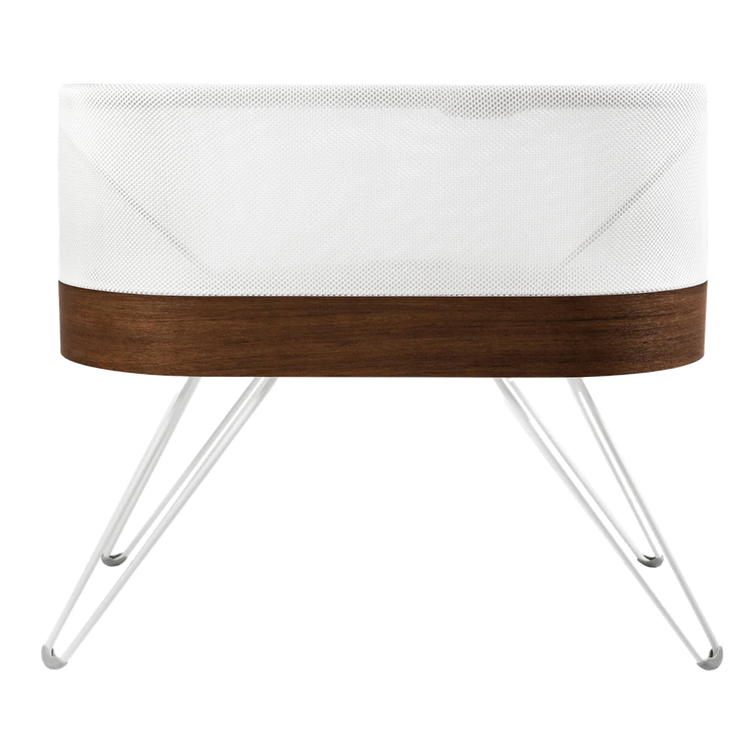
For some parents, it can be really hard not to wake up to every little squeal and grunt your baby makes! If your baby is 6 months or older, consider moving them to their own room. If your baby is 6 months old or younger, turn on white noise to help mask these normal baby sounds. As a sleepytime bonus: White noise will also help to lull your baby (and you!) to sleep. And don’t worry: White noise will not muffle your baby’s cries. If your baby’s noises are keeping you up despite plating white noise, chat with your pediatrician for guidance on relocating your little one before the 6-month mark. While it’s ideal to room share with your baby for at least 6 months, having a well-rested parent is important! (PS: SNOO, complete with it’s safe swaddling, all-night rocking, and responsive white noise, has been shown to add 1 to 2 hours of sleep each night.)
What about a baby’s SIDS risk?
I would never recommend moving your baby to their own room if I believed it would increase their risk of SIDS. The AAP notes that infant sleep-related deaths are highest in Baby’s first 6 months of life, making room sharing (without bed sharing) during this vulnerable time is especially important. The benefit of sharing a room longer is less concrete. In fact, research in the journal Pediatrics suggests that families tend to engage in more unsafe sleep practices when room-share goes beyond early infancy. To continue to help protect your growing baby from SIDS while they snooze in their own room…
- Put your baby on their back for all naps and nights.
- Make sure your baby’s sleep space is a flat, firm surface.
- Keep your baby’s crib free of soft objects, including crib bumpers, pillows, and stuffed toys.
- Remove all loose or ill-fitting bedding, like sheets, quilts, and comforters from your baby’s crib.
- Keep your baby’s room temperature between 68 and 72 degrees Fahrenheit. (Learn the signs that your baby is overheating.)
- Never put a hat on your baby for sleep.
- Feed your baby breastmilk, if you can.
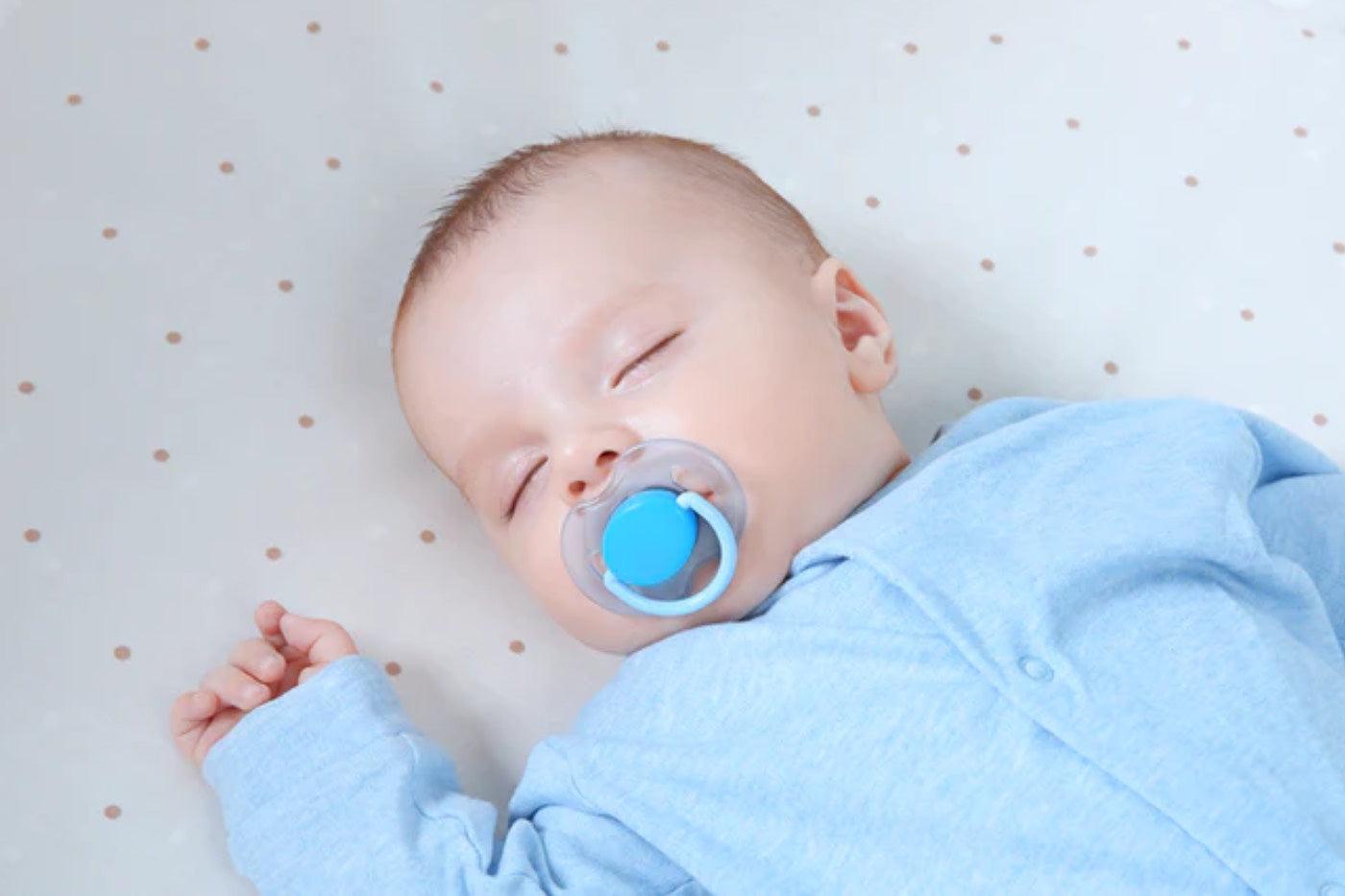
- Try giving your little one a pacifier at bedtime.
- Keep a smoke-free household.
- Offer tummy time.
- Stop swaddling when your baby begins to roll over. (If your baby is in SNOO, they can remain safely swaddled until they graduate to the crib.)
How to Move Your Baby Into Their Own Room
As with all baby transitions, like going from two naps to one or trading the bottle for the sippy cup—expect some trial and error. To set you up for success, here are my best tips to ease your baby’s move to their own room:
- Spend more time in Baby’s room. About one to two months before moving your baby into their nursery, be sure to regularly use their room for pleasant, quiet activities like feedings, massages, singing, and storytime.
- Start with naps. You know what another pleasant and quiet activity is? Napping! Again, around a month or two before the big move, have your little one nap in their nursery to help them get used to the new space.
- Keep up with sleep cues. Continue all the great routines and sleep cues your baby loves during the transition, like a predictable bedtime routine, dimming the lights 30 to 60 minutes before bedtime, playing white noise, offering a pacifier…and snuggling with a lovey if your baby is 12 months or older.
- Expect some protests. When you transition your baby to their own room, don’t be shocked if your little one protests for a few nights when you leave. If this happens, I recommend you pick your love bug up right away and offer comfort. But don’t talk too much or nurse, otherwise you’ll accidentally be encouraging protests! As your baby calms, put them down again. If fussing continues, pick your bub up…and repeat this routine as often as needed. (As long as you pick your baby up as soon as they fuss—and use white noise—this period of protests rarely lasts for more than 30 minutes.)
How do I transition my baby from SNOO to crib?
For a lot of parents, moving Baby to their own room coincides with transitioning their baby from SNOO to crib. If that’s the case, remember the same advice from above: Build relaxing and happy memories in your baby’s nursery during the day with quiet play, storytime, and snuggles before you move your baby to their room. It’s also important to follow my three-step process for weaning Baby from SNOO. Learn how to wean from SNOO.
More help with sleep transitions…
- How to Move Your Baby Into a Toddler Bed
- Dr. Harvey Karp’s Guide to Weaning Toddlers from Bed-Sharing
- Your Two Naps to One Need-to-Know
- How to Deal With Toddler Sleep Regressions
Disclaimer: The information on our site is NOT medical advice for any specific person or condition. It is only meant as general information. If you have any medical questions and concerns about your child or yourself, please contact your health provider.
SHARE THIS ARTICLE
MOST LOVED
Sleepytime Sidekicks